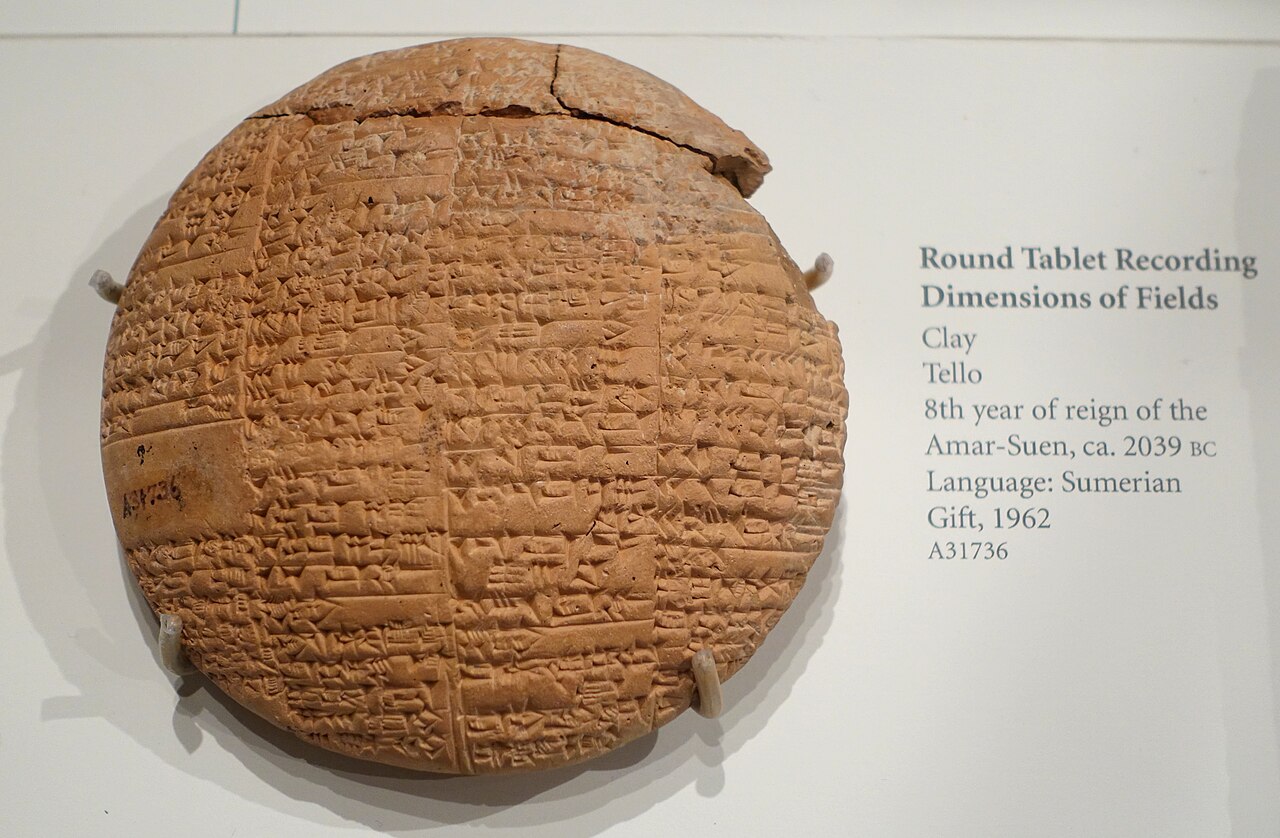
A gloss is a label
A dictionary gloss is a short cue to a sense, not an exact translation suitable for every context. A word can have a range of related meanings and genre-specific uses. Start with the grammatical construction, then examine dated citations near the relevant sense. The first or most familiar English word may be wrong for the passage.
Semantic evidence
Separate the ancient occurrence, the lexicon’s grouping of uses and your own contextual rendering. If the word appears in a formula, compare other occurrences of that formula. If a sense is based on only one uncertain token, say so. Do not infer an entire culture’s concepts from a bilingual dictionary equivalent.
Etymology
Etymology explains a word’s history, not necessarily its meaning at the date of a text. Related forms can help identify a root or sound correspondence, but they cannot by themselves select a translation for a particular sentence.
Modern-language examples on this page clarify a linguistic pattern. They do not establish unattested sounds or forms for an ancient language. Follow the cited sources below and keep editorial readings separate from the surviving trace.