The learning portal
Learn to read an ancient language
Work from surviving evidence to a reasoned interpretation. These guides teach the questions to ask, show examples from different parts of the world, and link each example to its source.
Begin with study method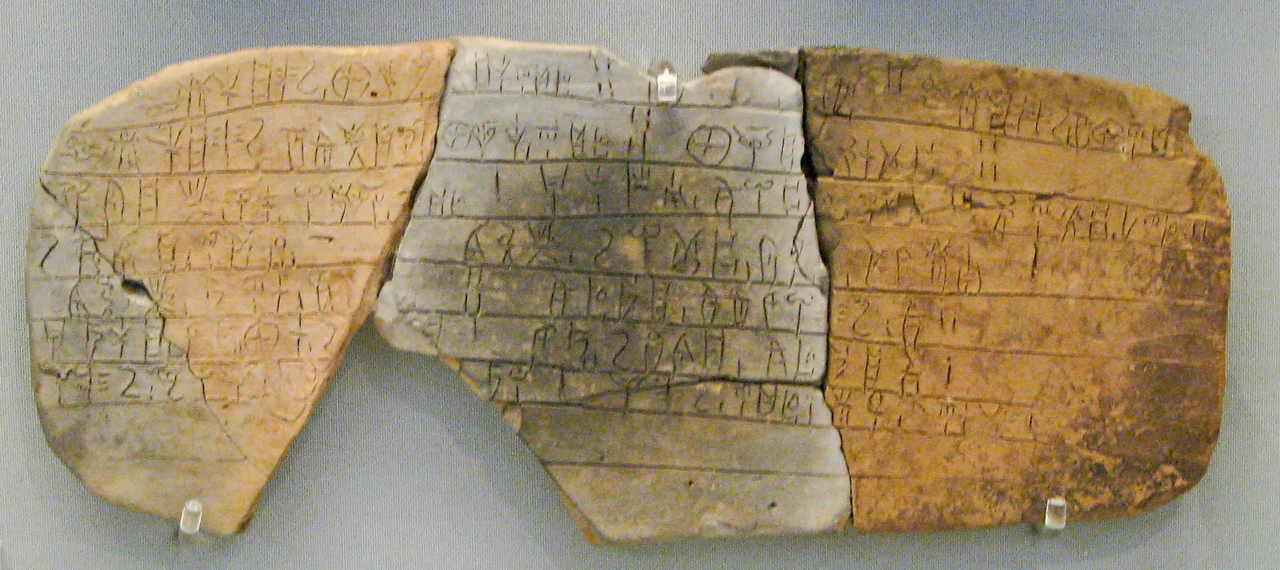
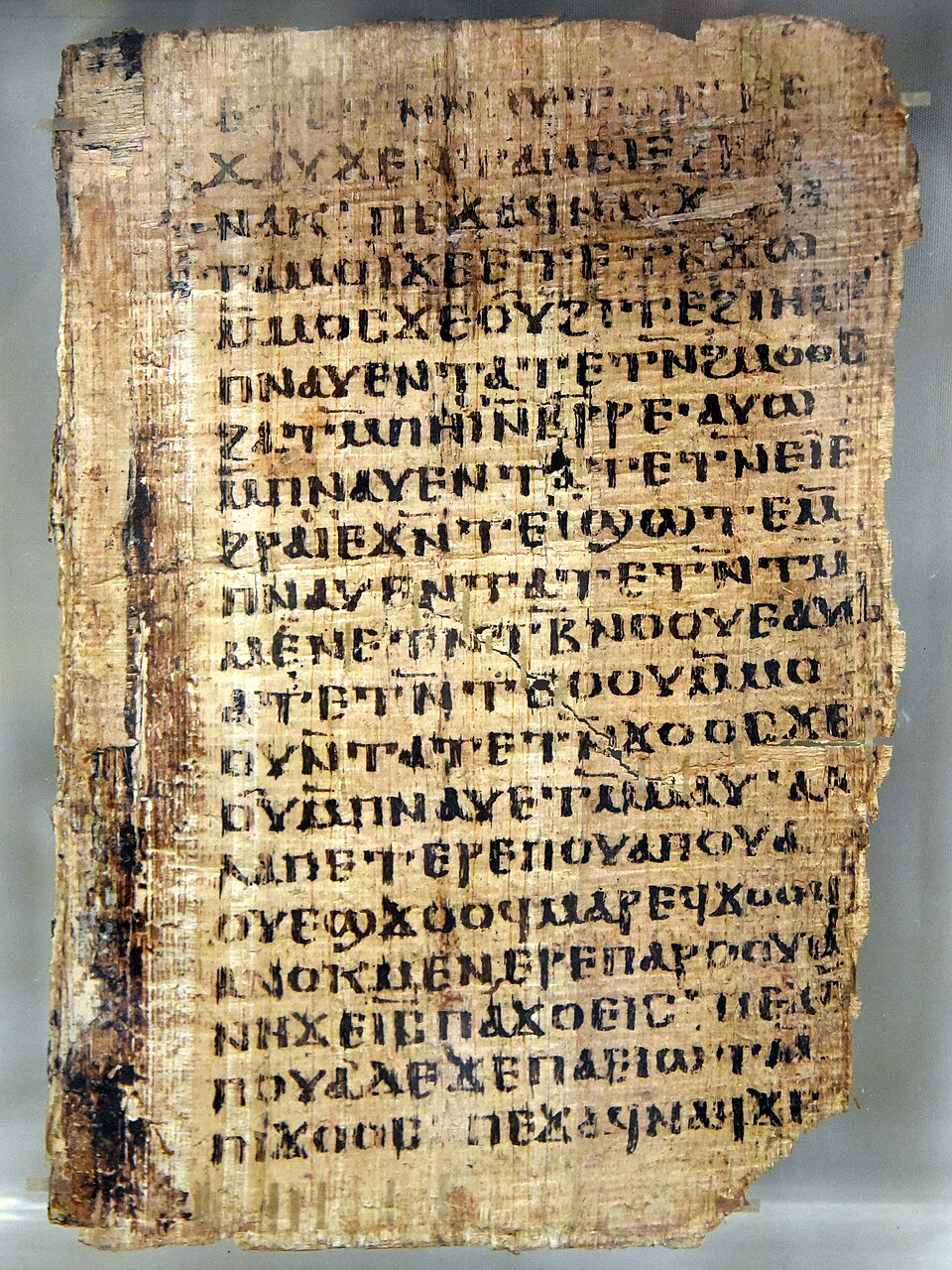
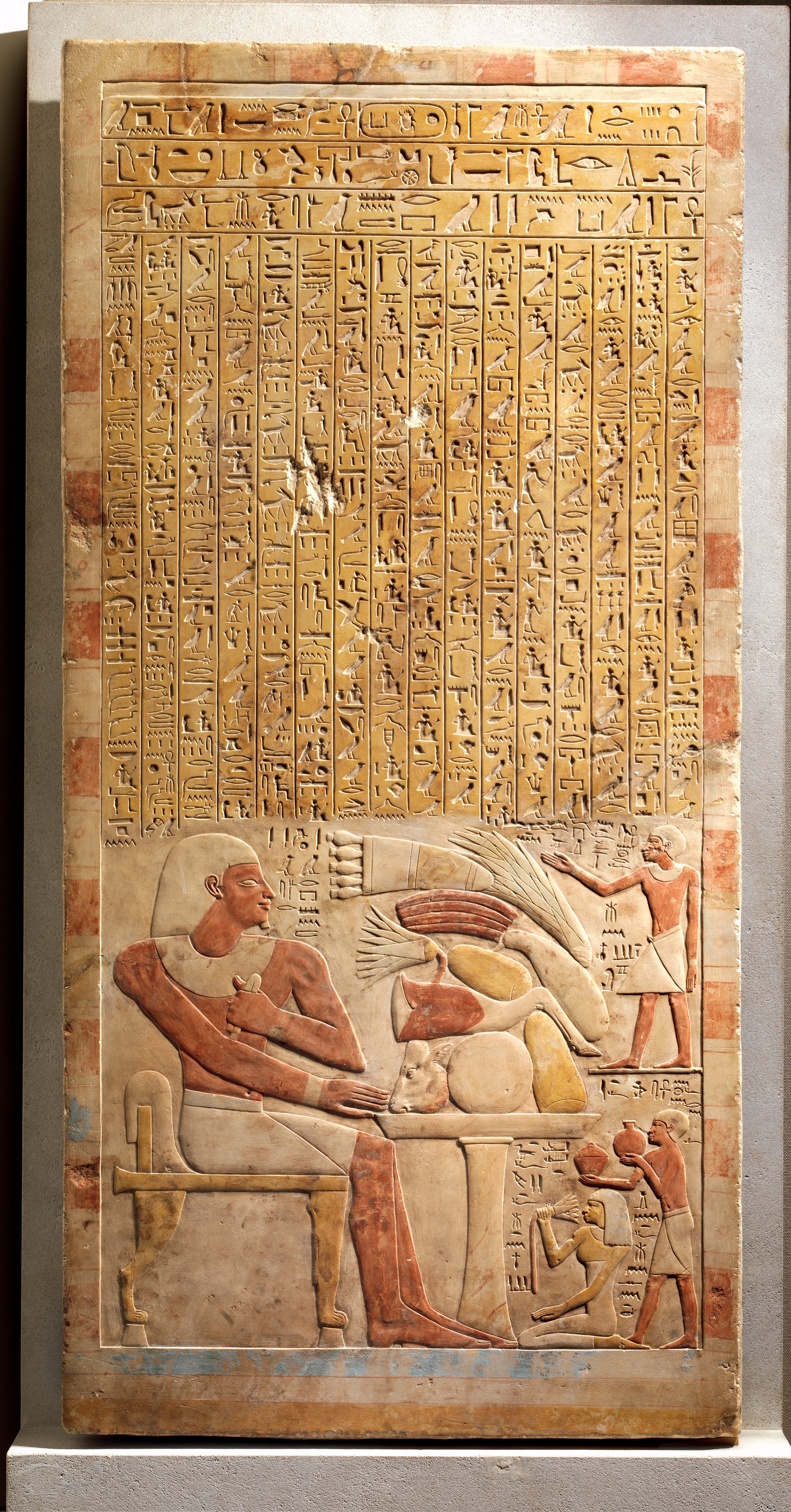
A reading practice
From witness to interpretation
- InspectFind the object, edition and state of preservation.
- TranscribeKeep signs, transliteration and normalized spelling separate.
- AnalyseTest sounds, forms, syntax and dictionary senses.
- CompareCheck parallels, alternative readings and historical context.
- ExplainTranslate with uncertainty and sources visible.
Guides
Topics
Each page gives a method, sourced examples and a short check on how to use the evidence.
Study methodA repeatable route from an object or edition to an argued reading.Texts and editionsRead a transcription as an argument about a surviving witness.PalaeographyRecognize hands, materials and the limits of a typed transcription.ScriptsDistinguish language, writing system, sign value and transcription.PhonologyReconstruct sound contrasts without mistaking spelling for speech.MorphologyBuild paradigms from attested forms and state what each piece does.Grammar and syntaxExplain how forms combine and what a sentence actually licenses.Dictionaries and meaningChoose a contextual sense without turning a gloss into a translation.Semantics and pragmaticsRead meaning in context, including reference, information source and discourse.TypologyCompare structures across languages without forcing them into one model.Language contactTrack borrowing, bilingual writing and shared practices with dated evidence.Language shiftDistinguish changes in speech, writing, schooling and administration.Cultural influencesRead language through the practices and genres that produced its texts.RaritiesLearn from less familiar structures without treating languages as curiosities.Historical changeUse dated forms and regular correspondences to argue for change.DeciphermentTest claims about an unknown script against independent constraints.Native grammatical traditionsRead older analyses as sources in their own right.Corpora and searchSearch ancient text collections while preserving editorial layers and limits.Translation and toolsUse parsers, corpora and translation as accountable aids.
How the examples are used
Ancient evidence and modern-language comparisons are identified separately. Modern comparisons show how a grammatical pattern works; they do not supply missing facts about an ancient language. A source link follows every worked case. WALS examples are adapted and attributed by chapter under CC BY 4.0 ↗. Dates, scripts and readings remain open to revision as scholarship advances.
Language overviews