The paradigm
A paradigm aligns forms of one lexeme according to grammatical categories. Person tracks participants in the speech event (speaker, addressee, other); number distinguishes categories such as singular, dual and plural where a language has them. Case can mark a noun phrase’s syntactic or semantic relationship, but no universal case inventory exists. Gender or noun class groups nouns for agreement; it is not the same thing as biological sex. In a table, write the actual contrasts of the language rather than importing a familiar Latin grid.
Paradigm anatomy
What a table records
A paradigm crosses grammatical categories with attested forms. These sample cells describe categories rather than invent forms for a historical language.
A real paradigm must cite the witness or grammar for each form. Empty cells are not invitations to manufacture evidence.
Verbal categories
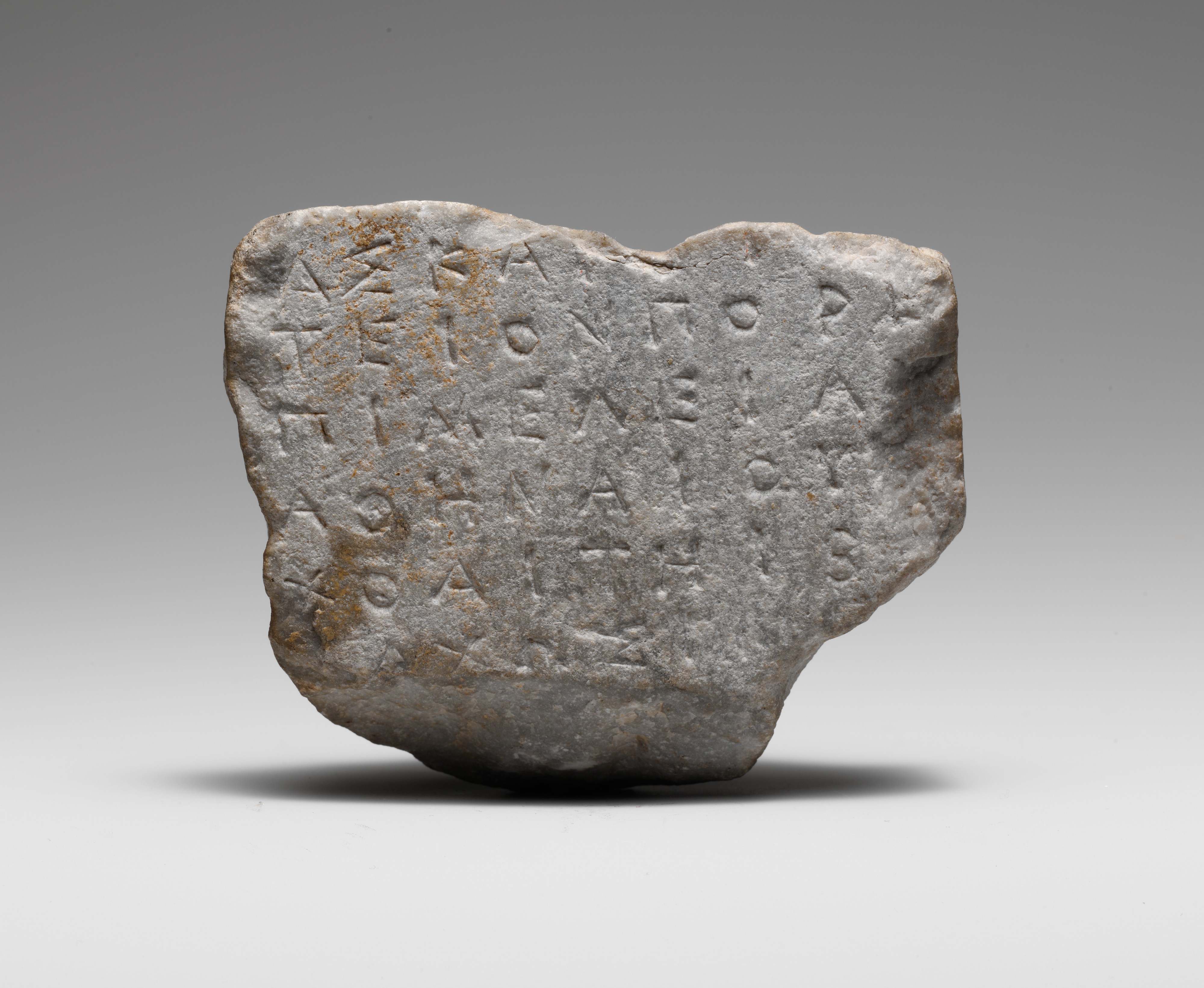
Tense locates an event relative to a reference time. Aspect presents its internal temporal shape, such as completed or ongoing. Mood expresses distinctions including command, possibility or counterfactuality where the grammar encodes them. Voice changes how participants map to grammatical roles, for example an active/passive opposition. These categories can overlap, and a traditional label may bundle several. Ancient Greek gé-grapha “I have written”, cited by WALS, shows reduplication in a perfect form; the repeated syllable does not mean plural.
One form, several values
An ending may simultaneously indicate case and number; WALS describes Russian case-number endings as cumulative exponents. The table cell names the bundle, not a string of separate suffixes. Syncretism is the use of one form in more than one paradigm cell; it does not prove the categories were absent. Suppletion uses a historically different stem in a paradigm. Mark unattested cells as unattested, and reconstructed or analogically generated forms with distinct labels.
Modern-language examples on this page clarify a linguistic pattern. They do not establish unattested sounds or forms for an ancient language. Follow the cited sources below and keep editorial readings separate from the surviving trace.