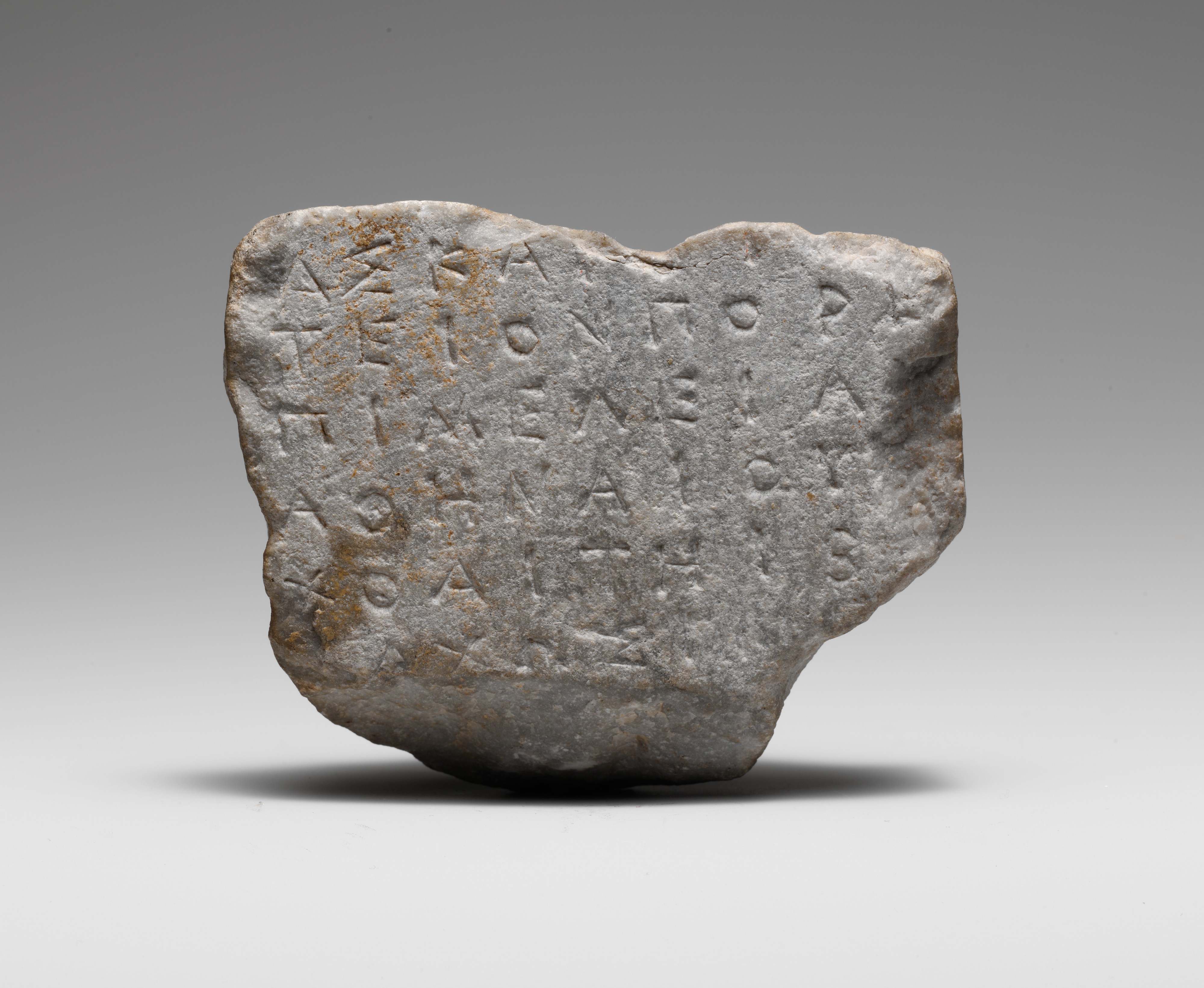
Evidence for a lost voice
Most ancient languages have no recordings. A spelling can preserve distinctions, mergers or alternations; a bilingual transcription can suggest how one speech community heard another; verse metre can constrain syllable weight; loans and later daughter languages can reveal historical sound changes. Each source has a date and a convention. No single modern pronunciation key should silently replace that argument.
Transcription layers
For a disputed word, keep the object’s graphic sequence, a sign-by-sign transliteration, any normalized spelling, and an IPA reconstruction on separate lines. A syllabic script can leave consonant clusters ambiguous. An abjad may leave many vowels unmarked. A later vocalization can preserve a learned reading tradition without being contemporary with the earliest inscription. Label the date of each layer.
Confidence
A proposed value may be supported by several independent correspondences, by a single late spelling, or only by convention. State which. When an ancient sign is undeciphered, an IPA value is unavailable; repeating a speculative sound in a teaching chart would make uncertainty look settled.
Modern-language examples on this page clarify a linguistic pattern. They do not establish unattested sounds or forms for an ancient language. Follow the cited sources below and keep editorial readings separate from the surviving trace.