What phonology describes
Phonetics describes how a sound is produced and heard. Phonology asks how a language organizes sounds into contrasts and patterns. A speaker can produce two audibly different sounds without treating them as two different word-building units. Conversely, a difference such as vowel length or pitch can distinguish words even when a borrowed alphabet writes it poorly. Written letters are evidence about speech, but they are not speech itself.
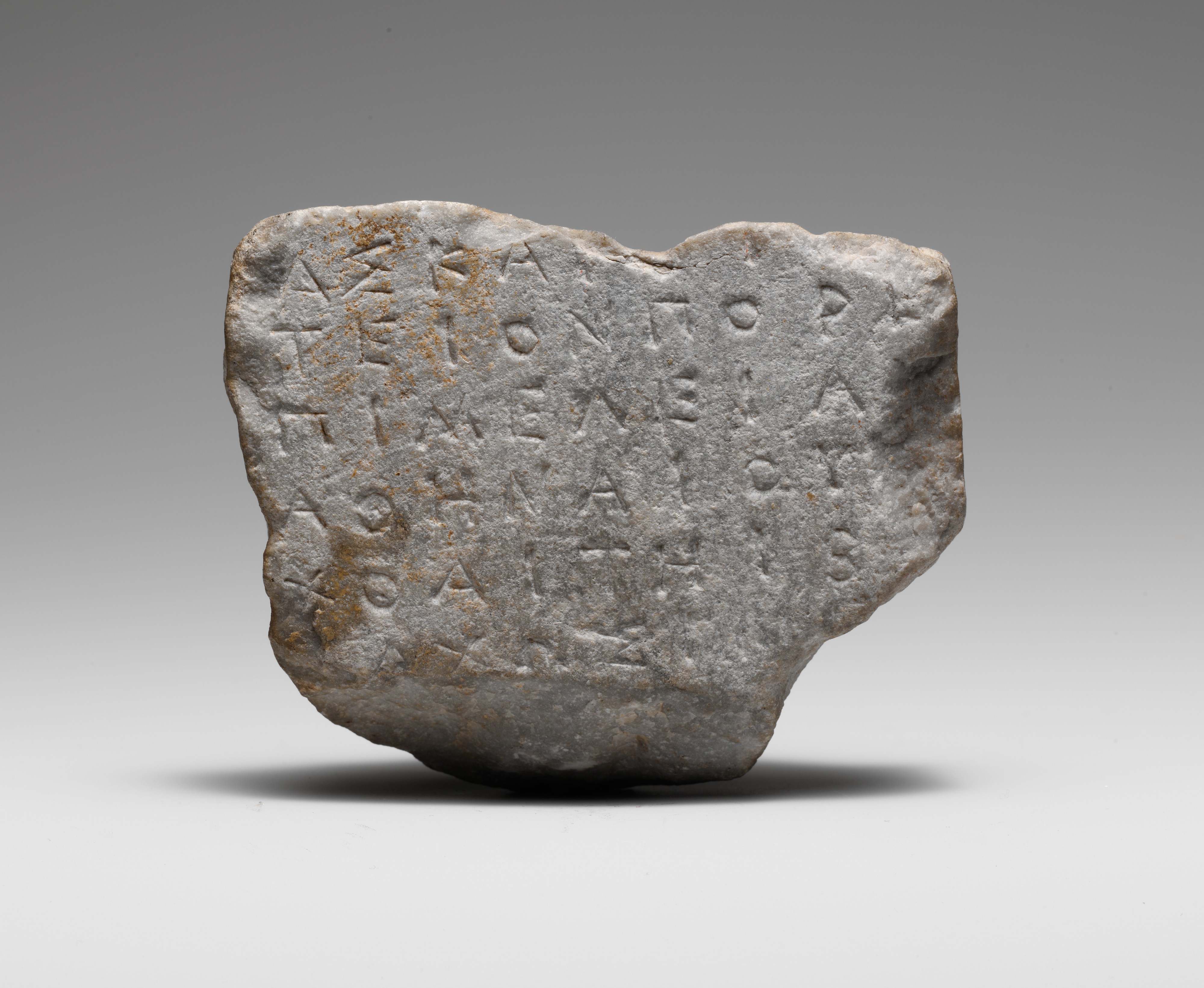
The International Phonetic Alphabet (IPA) gives linguists a shared way to describe sounds. Square brackets such as [pʰ] indicate an observed or proposed phonetic pronunciation; slashes such as /p/ name a phoneme, an abstract contrastive unit. In historical work, neither notation is automatically a recording of an ancient speaker. A transliteration copies or represents written signs according to an editorial convention; IPA expresses a pronunciation hypothesis.
Interactive sound chart
The IPA in the mouth
Tap or focus a symbol to inspect its articulation. These are selected IPA sounds, not a reconstruction of any ancient language; the example words are modern pronunciation aids.
Consonants
Vowels
Its place and manner of articulation will appear here.
Consonants
Consonants are described by place of articulation (where the airflow is narrowed), manner (how it is narrowed) and voicing (whether the vocal folds vibrate). [p] is a voiceless bilabial stop: both lips close and release. [m] is a voiced bilabial nasal: the lips close while air exits through the nose. [s] is a voiceless alveolar fricative: the tongue approaches the ridge behind the teeth and turbulent air continues. Tap any symbol in the chart to compare the dimensions rather than memorizing letter names.
Aspiration is a burst of breath after release, transcribed [ʰ]. English pin commonly begins [pʰ] whereas spin has an unaspirated [p]; this English comparison illustrates two phonetic variants and does not establish a contrast in an ancient language.
Vowels
Vowel quality depends chiefly on tongue height, frontness or backness, and lip rounding. [i] is a high front unrounded vowel; [u] is a high back rounded vowel; [a] is low and central or front depending on the transcription system. Length is a separate dimension: [aː] is held longer than [a]. Stress, pitch and tone are likewise different properties. A historical spelling may indicate some of these reliably and leave others uncertain.
Modern-language examples on this page clarify a linguistic pattern. They do not establish unattested sounds or forms for an ancient language. Follow the cited sources below and keep editorial readings separate from the surviving trace.