Meaning in a construction
Semantics studies conventional meanings and how they combine. The sense of a dictionary headword is only one part of a sentence: argument structure, negation, quantification and modifier scope also matter. A word glossed “all” may take scope over a noun phrase or over a wider proposition; a fluent translation should not conceal that choice. Start by identifying the grammatical construction and testing each interpretation against parallel passages.
Deixis
Words such as “this”, “there” and “now” are interpreted relative to a deictic centre: a speaker, place and time. In a quoted decree or narrative, the centre may shift between narrator and quoted voice. WALS shows that demonstrative systems differ in their distance distinctions and in the relation between forms used with nouns and forms used alone. English “this” and “that” therefore cannot be projected as a universal two-way template.
Ancient contexts
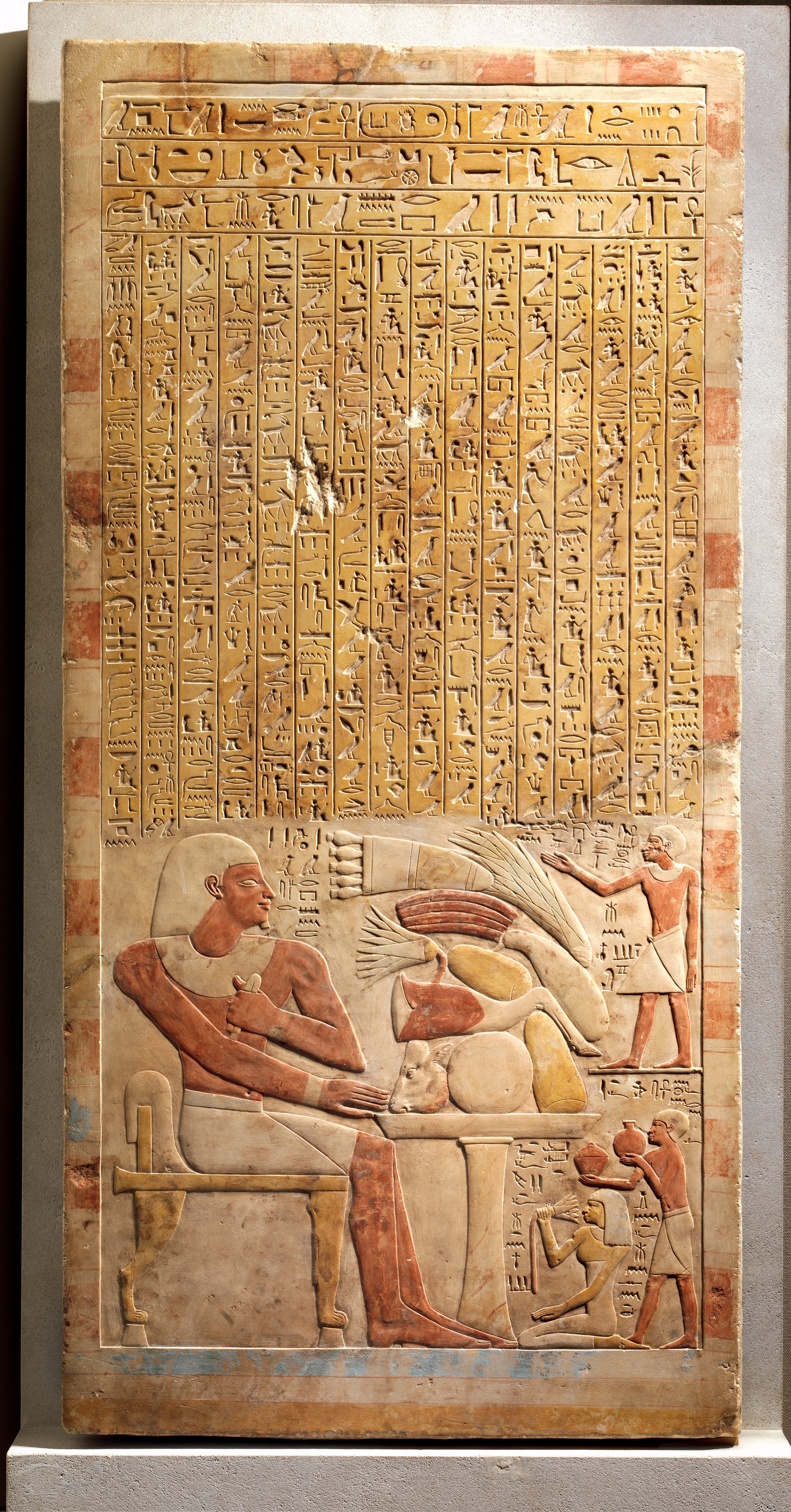
For an ancient text, the speech situation may be partly reconstructed from genre, quotation marks supplied by an editor, or the object’s setting. State what the inscription actually marks and what the reader infers. A pronoun’s referent can remain uncertain even when its morphological form is clear.
Modern-language examples on this page clarify a linguistic pattern. They do not establish unattested sounds or forms for an ancient language. Follow the cited sources below and keep editorial readings separate from the surviving trace.