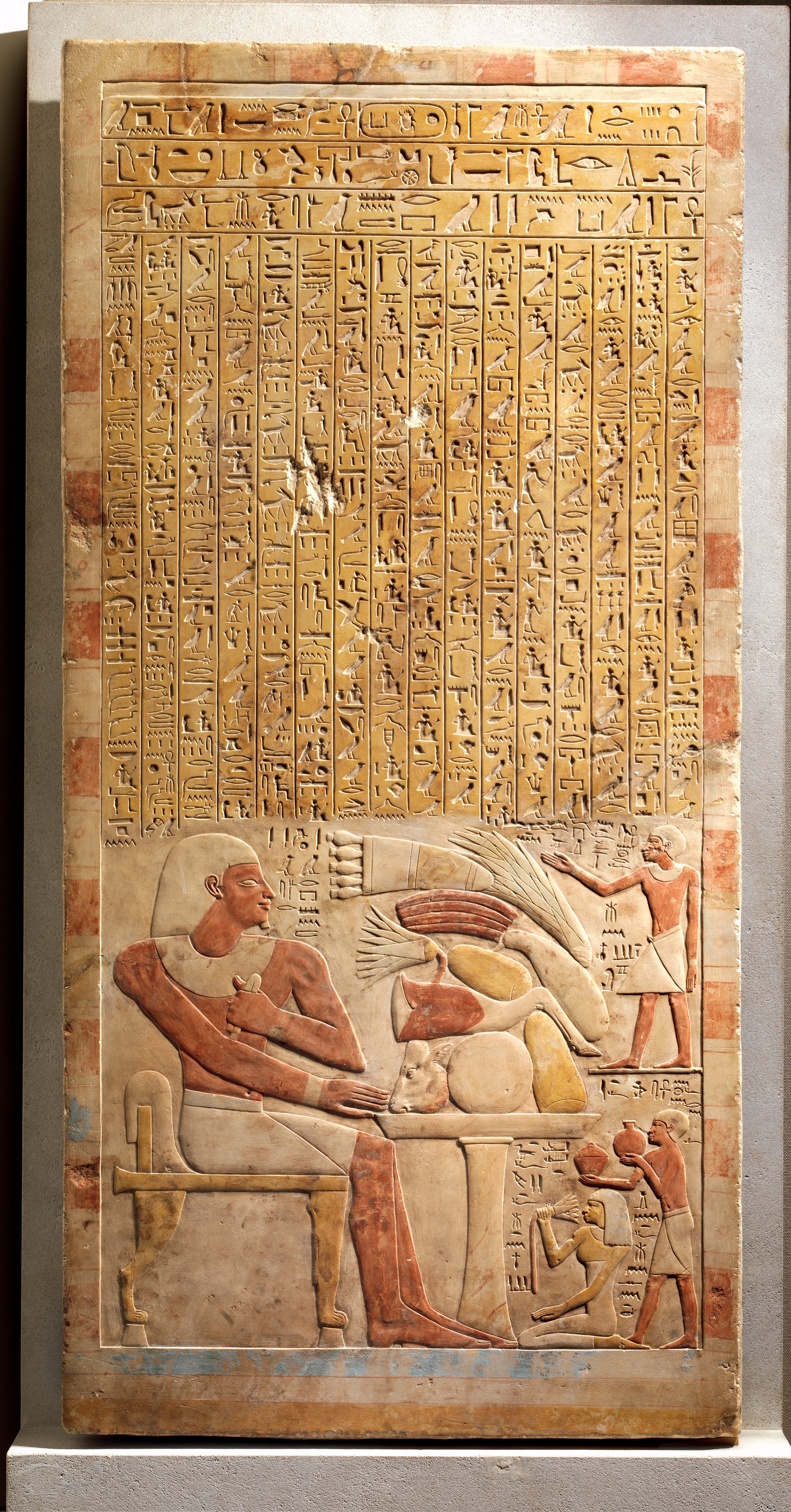
Genre
A genre is a recurring kind of communicative event with conventional forms. An account, petition, hymn, decree and school exercise differ in purpose, audience and vocabulary. A noun frequent in grain accounts may be rare in poems because the surviving corpora do different work, not because speakers lacked the concept in one period. Identify genre before interpreting frequency or stylistic choice.
Register
Register describes language associated with a situation or social practice, such as formal publication or classroom exercise. DCCLT’s sign and lexical lists reveal a curriculum; their repetitions are evidence for training as well as for cuneiform knowledge. A public decree such as the Rosetta Stone was made for a different audience and cannot be treated as a sample of casual speech.
Return to grammar
Context may make a reading plausible, but the morphological form and syntax must still support it. Avoid using a cultural story to repair an uncertain sign without marking the restoration. Conversely, a grammatically possible translation can fail when it ignores a technical genre or a title whose conventional use is documented elsewhere.
Modern-language examples on this page clarify a linguistic pattern. They do not establish unattested sounds or forms for an ancient language. Follow the cited sources below and keep editorial readings separate from the surviving trace.