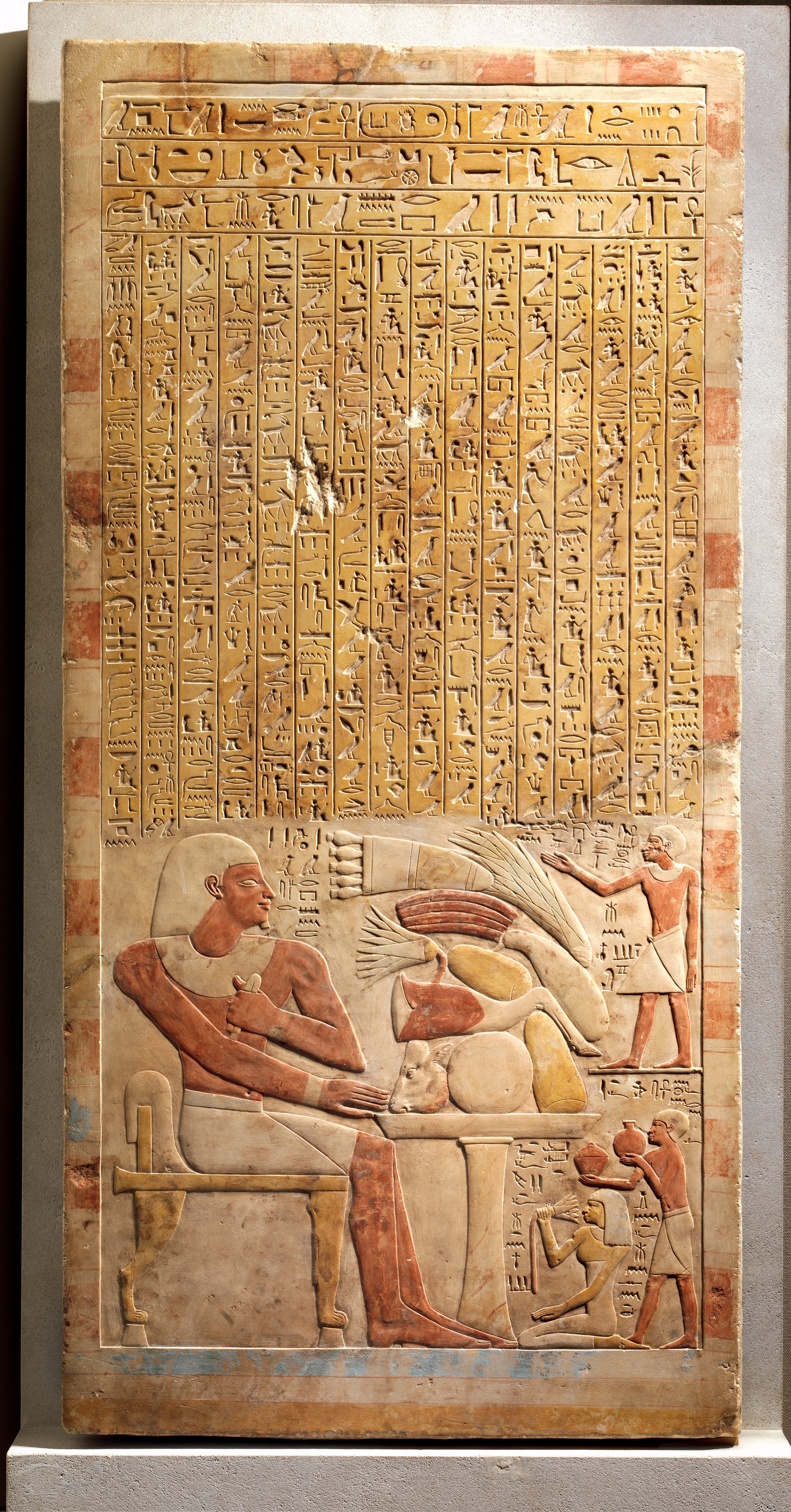
Material setting
A text can be cut for display, copied for recitation, written for storage or placed with a burial. The support, size and location help reconstruct its intended use. The Rosetta Stone’s decree and a Shang inscribed oracle bone come from different writing practices; treating both as context-free strings would erase part of the evidence.
Audience
Ask who commissioned, wrote, read and preserved the object. These can be different groups. Literacy and language choice cannot be inferred for a whole population from a single official inscription. A parallel text in another language may show a strategy for publication, not equal day-to-day use of both languages.
Limits
Historical context is often reconstructed from fragmentary archaeology and later testimony. Record which claims come from the object record and which are broader interpretation. A date range, uncertain findspot or reused object should remain visible in a lesson and its citation.
Modern-language examples on this page clarify a linguistic pattern. They do not establish unattested sounds or forms for an ancient language. Follow the cited sources below and keep editorial readings separate from the surviving trace.