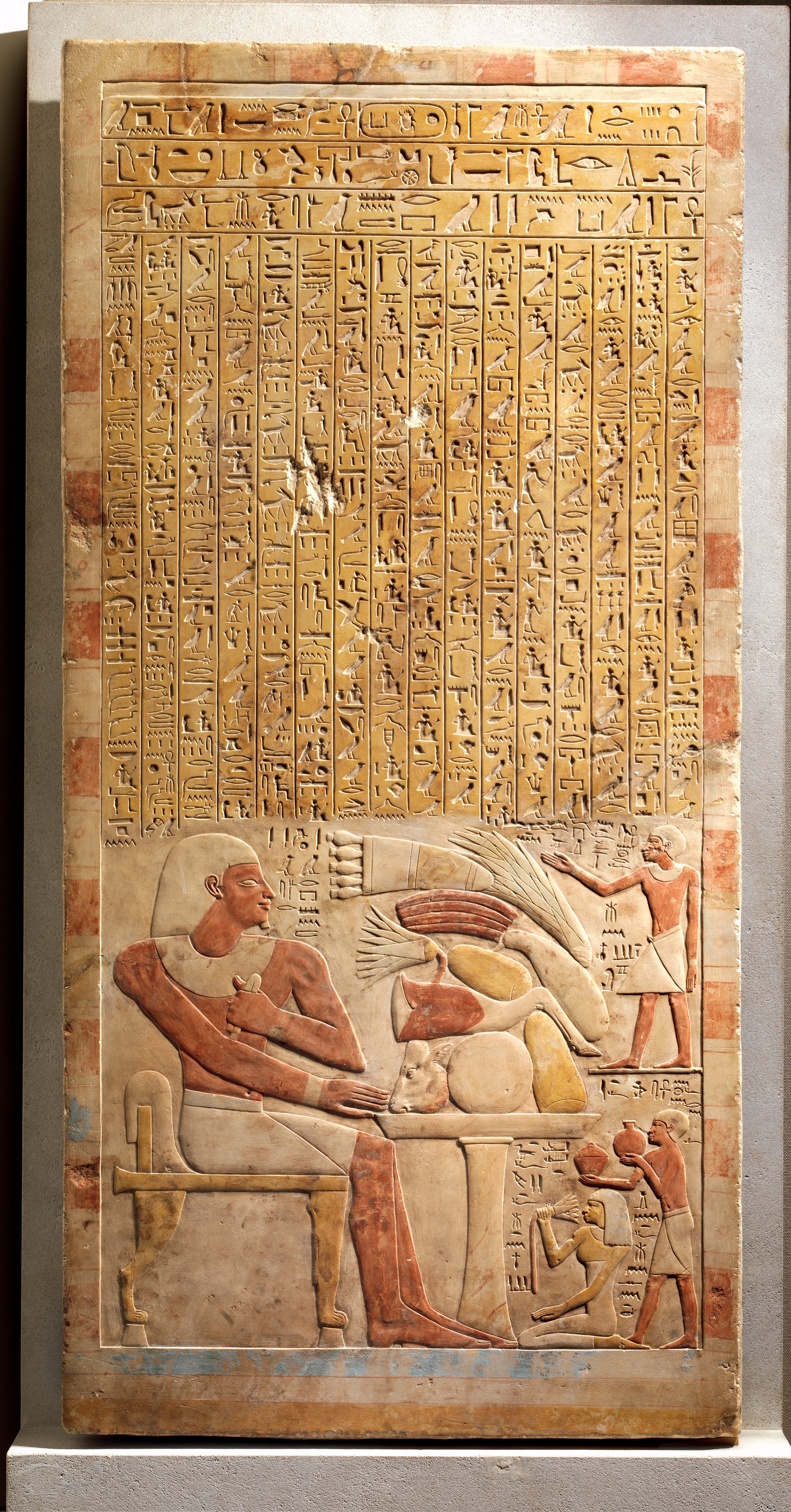
Object and context
Epigraphy studies inscriptions together with their physical supports, find contexts, scripts and historical uses. Before transcribing, record the object’s material, dimensions, surface, breakage, reuse and known provenance. An inscription moved into a museum may no longer sit where it was first displayed.
Letterforms
A carved stroke can be damaged, recut or mistaken for a natural crack. Lighting and raking photographs can change what is visible. Compare the same sign in nearby words and inscriptions of similar date and material. A normalized digital character is a convenient index, not a complete record of its physical form.
Text and object
The Rosetta Stone is not only a trilingual-looking text layout; it is a damaged stone preserving a decree in two languages and three scripts. Its breakage and the relation among the sections constrain the edition. Inscriptions also have spatial order, scale and intended audiences that a copied paragraph can obscure.
Modern-language examples on this page clarify a linguistic pattern. They do not establish unattested sounds or forms for an ancient language. Follow the cited sources below and keep editorial readings separate from the surviving trace.