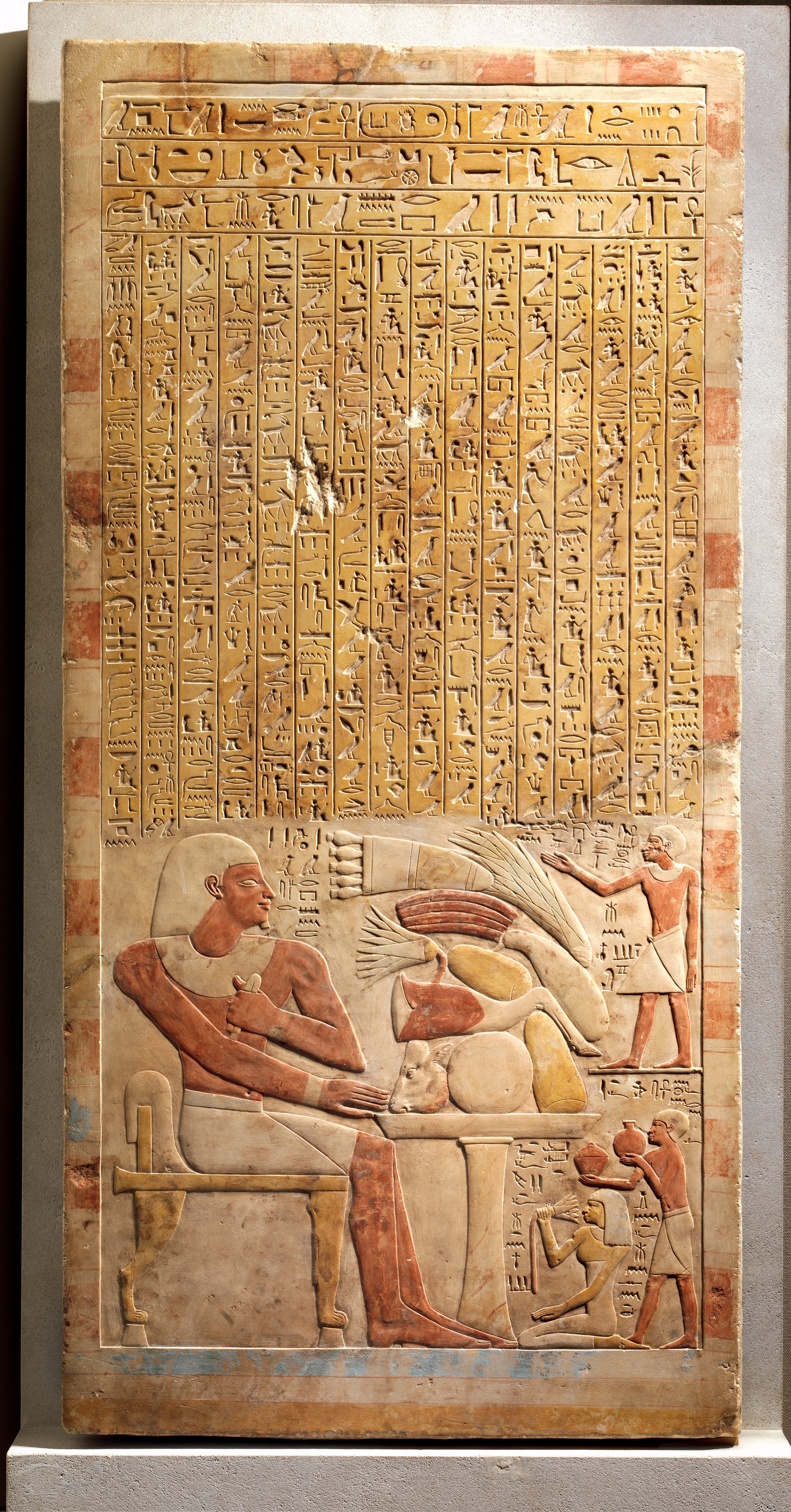
Diplomatic copy
A diplomatic transcription follows the visible signs and line divisions as closely as the editorial system allows. Brackets or dots may mark loss or uncertainty, but their meaning depends on the edition. Keep a photograph or drawing next to the copy so readers can inspect difficult traces.
Restoration
A missing letter can sometimes be inferred from formula, grammar or parallel copies. Such a restoration is an argument, not a surviving mark. Distinguish a secure join from a plausible completion and an imaginative supplement. Do not let a normalized searchable text conceal this difference.
Historical use
Date, findspot and genre help interpret an inscription, but they often have ranges rather than single values. A dedicatory formula can show a public practice without revealing what every speaker in a region said. Tie each historical claim to the object or to a documented group of comparanda.
Modern-language examples on this page clarify a linguistic pattern. They do not establish unattested sounds or forms for an ancient language. Follow the cited sources below and keep editorial readings separate from the surviving trace.