Dated evidence
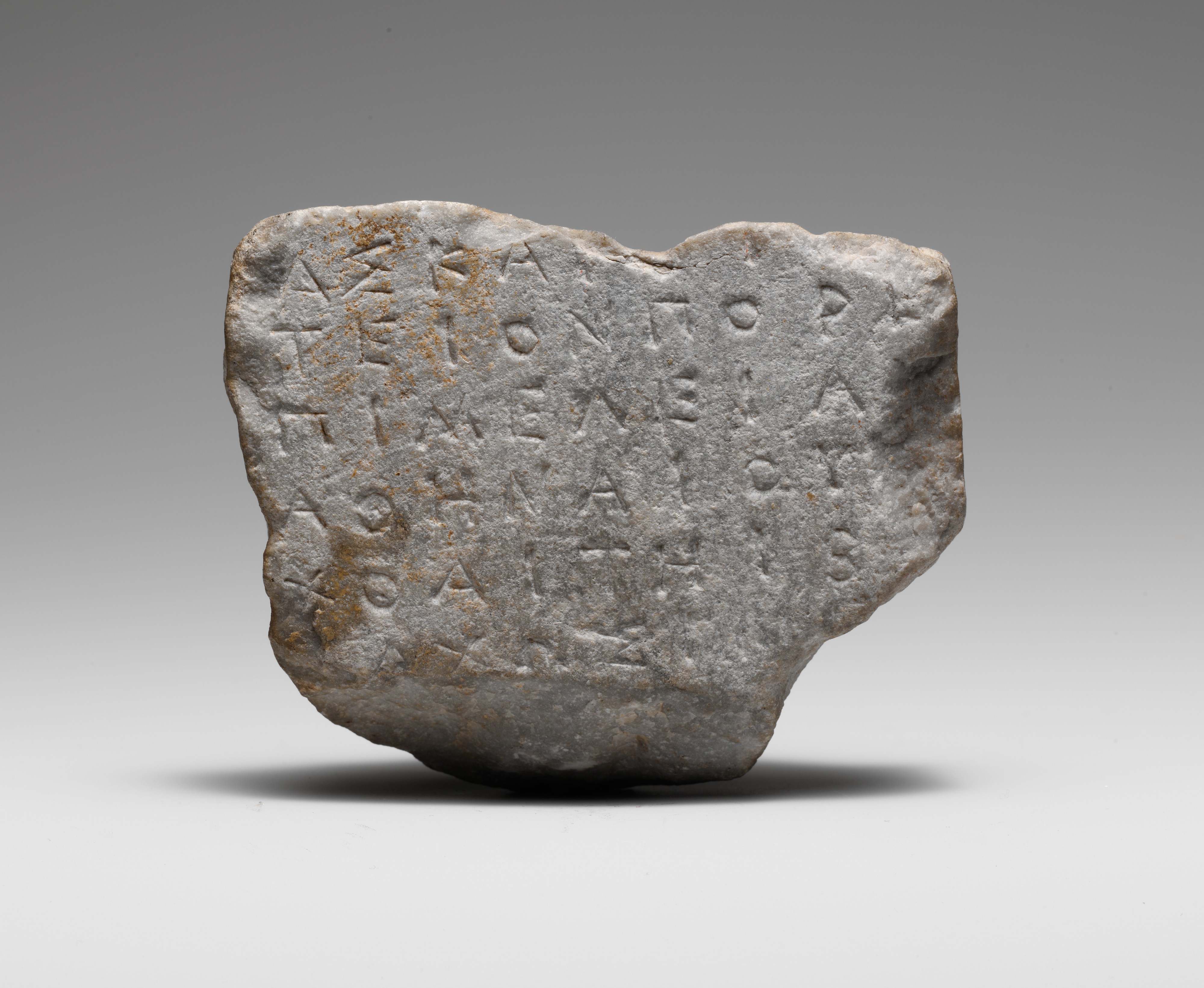
Historical linguistics compares forms from different periods and related varieties. Keep three dates separate: when a work may have been composed, when the surviving manuscript was copied, and when a modern editor published it. A late copy can preserve archaic language, and a scribe can modernize an older text. A dated inscription offers a firmer point for one form than a work transmitted only in much later copies.
Changes in sound and form
Sound change is argued from recurring correspondences in comparable environments, not one pair of words. Analogy can reshape a paradigm, and a script reform can change spelling without changing the spoken language in the same way. Coptic’s Greek-derived alphabet records a later stage of Egyptian: comparison with earlier Egyptian needs linguistic analysis, not just letter substitution.
Reconstruction
An unattested ancestral form is a hypothesis inferred from attested descendants. Scholarly convention marks it with an asterisk and cites the analysis. Do not display it like a photographed word from an ancient object. A reconstruction is valuable when it explains multiple regular correspondences and predicts otherwise puzzling forms.
Modern-language examples on this page clarify a linguistic pattern. They do not establish unattested sounds or forms for an ancient language. Follow the cited sources below and keep editorial readings separate from the surviving trace.