Cognates
Cognates are forms inherited from a common ancestor. Similar appearance and meaning alone are insufficient: borrowing, chance and widespread sound patterns can mimic inheritance. Compare a substantial set of candidate words and inflectional material across the proposed relatives, attending to date and geography.
Regular correspondence
If a sound in one language repeatedly matches a particular sound in another under the same phonological conditions, a historical explanation becomes plausible. Apparent exceptions may reveal conditioning, analogy or a mistaken cognate. The full correspondence pattern matters more than any one memorable “same word”.
Testing histories
A proposed family relationship should explain multiple lexical and grammatical patterns more economically than contact or chance. A proposed loan should fit an identifiable route and chronology. State the alternatives, including the possibility that the available corpus is too small to decide.
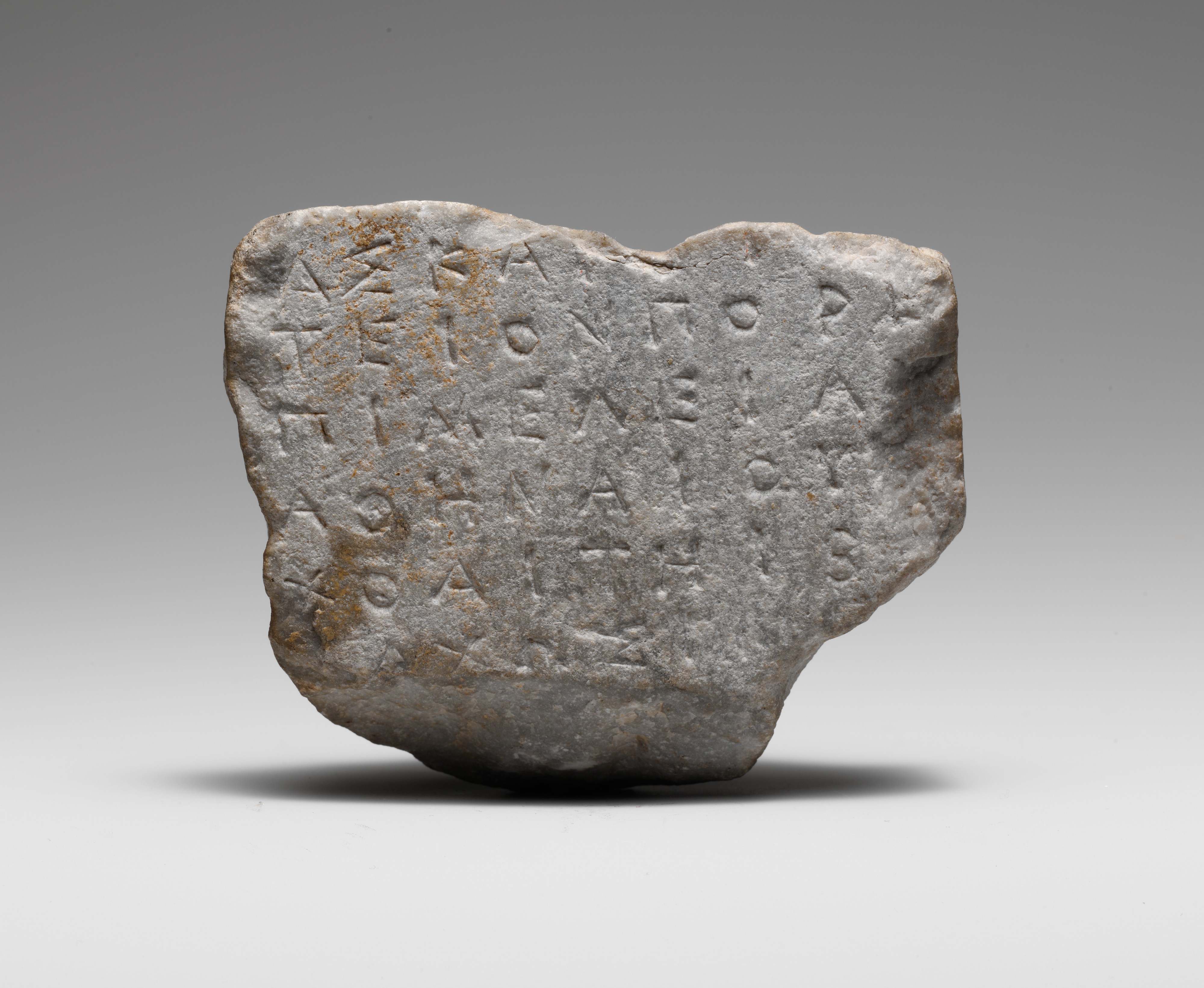
Modern-language examples on this page clarify a linguistic pattern. They do not establish unattested sounds or forms for an ancient language. Follow the cited sources below and keep editorial readings separate from the surviving trace.