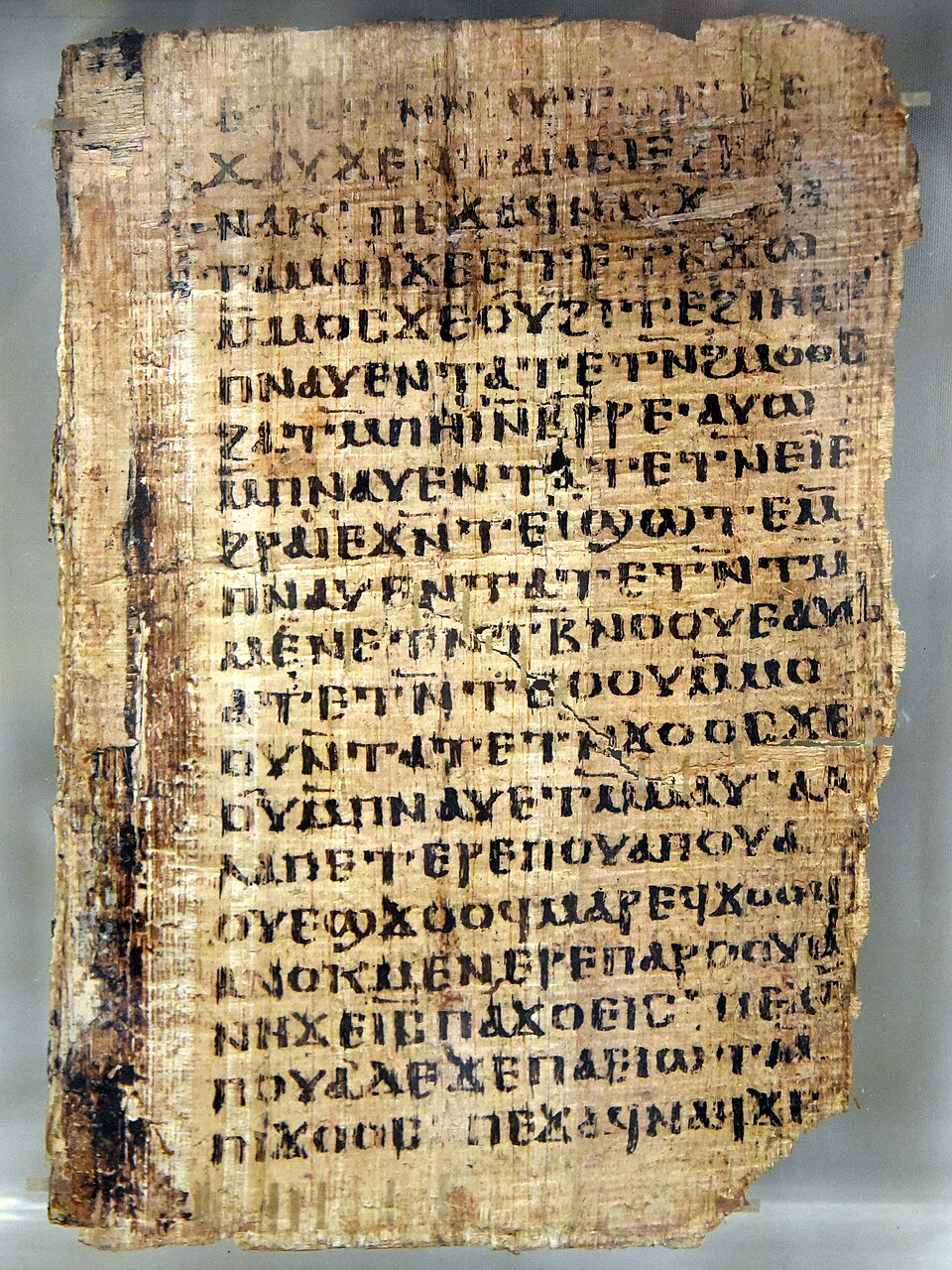
A dated series
Arrange sources by the date of the surviving object, region and genre. Do not mix a composition date with the date of its later copy. Record changes in the languages of schools, laws, inscriptions and correspondence separately. An apparent break may come from an archaeological gap or a change in what was preserved.
Community variation
Language shift can differ by generation, place, social setting and level of literacy. Elite bilingual documents are evidence for writers and institutions; they do not map the language of every farmer or household. Seek independent kinds of evidence before making a regional generalization.
Continuity
Older languages can survive as sources of terminology, formulae and learned texts. A shift in ordinary use is therefore not the same as disappearance from intellectual life. Describe the people and institutions that copied and explained older material, and the new roles it acquired.
Modern-language examples on this page clarify a linguistic pattern. They do not establish unattested sounds or forms for an ancient language. Follow the cited sources below and keep editorial readings separate from the surviving trace.