Different timelines
A language can stop being an ordinary vernacular while remaining a school subject, sacred language or literary medium. An archive can change its official language without documenting household speech. Therefore “replaced” must be attached to a domain: decrees, schooling, letters, ritual or daily conversation. A last surviving inscription is not a last speaker.
Mesopotamian example
DCCLT’s bilingual lists show Sumerian being taught and interpreted alongside Akkadian after its ordinary spoken use declined. The continued copying of lexical material is evidence of a learning tradition, not proof that all pupils used Sumerian at home.
Egyptian example
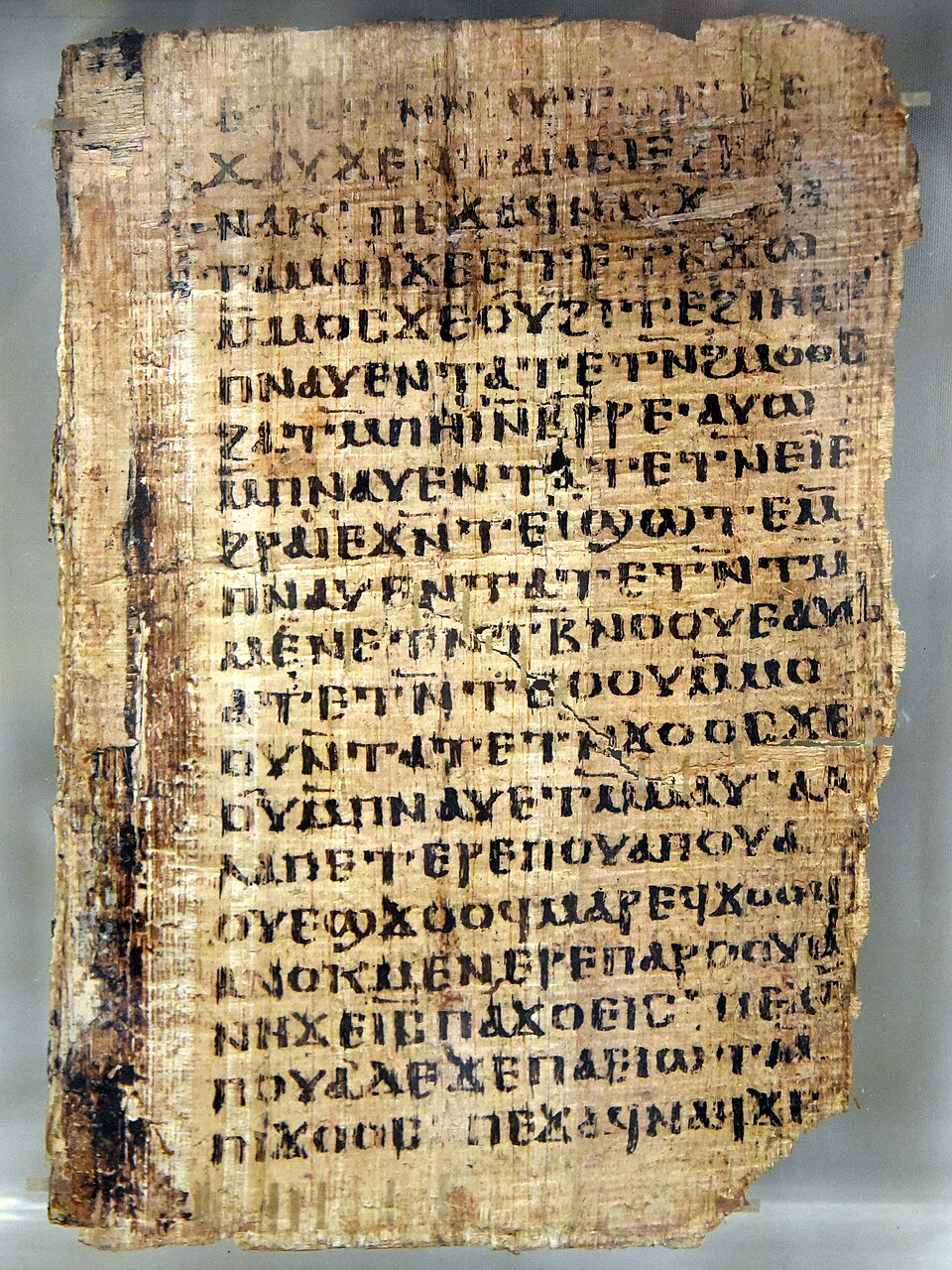
Coptic is a later written stage of Egyptian in a Greek-derived alphabet. The change from hieroglyphic and other Egyptian scripts therefore cannot be equated with the end of the Egyptian language. The British Museum’s date for Greek administrative use in Egypt describes an official practice, not a synchronized shift in every community.
Modern-language examples on this page clarify a linguistic pattern. They do not establish unattested sounds or forms for an ancient language. Follow the cited sources below and keep editorial readings separate from the surviving trace.