A tradition is evidence
Earlier scholars did not merely preserve texts; they analyzed signs, sounds and forms. A historical grammar or school list tells us both about a language and about how one scholarly community organized knowledge. Its categories may not map neatly onto a modern textbook’s noun, tense or phoneme. Record the original technical term and the translator’s choice separately.
Rules in a system
Pāṇini’s Aṣṭādhyāyī is a highly structured rule system. A rule’s effect can depend on definitions, ordering and other rules, so an isolated English paraphrase can mislead. Work through a published derivation of a whole form or sentence and identify the input, applicable rules and resulting expression.
School lists
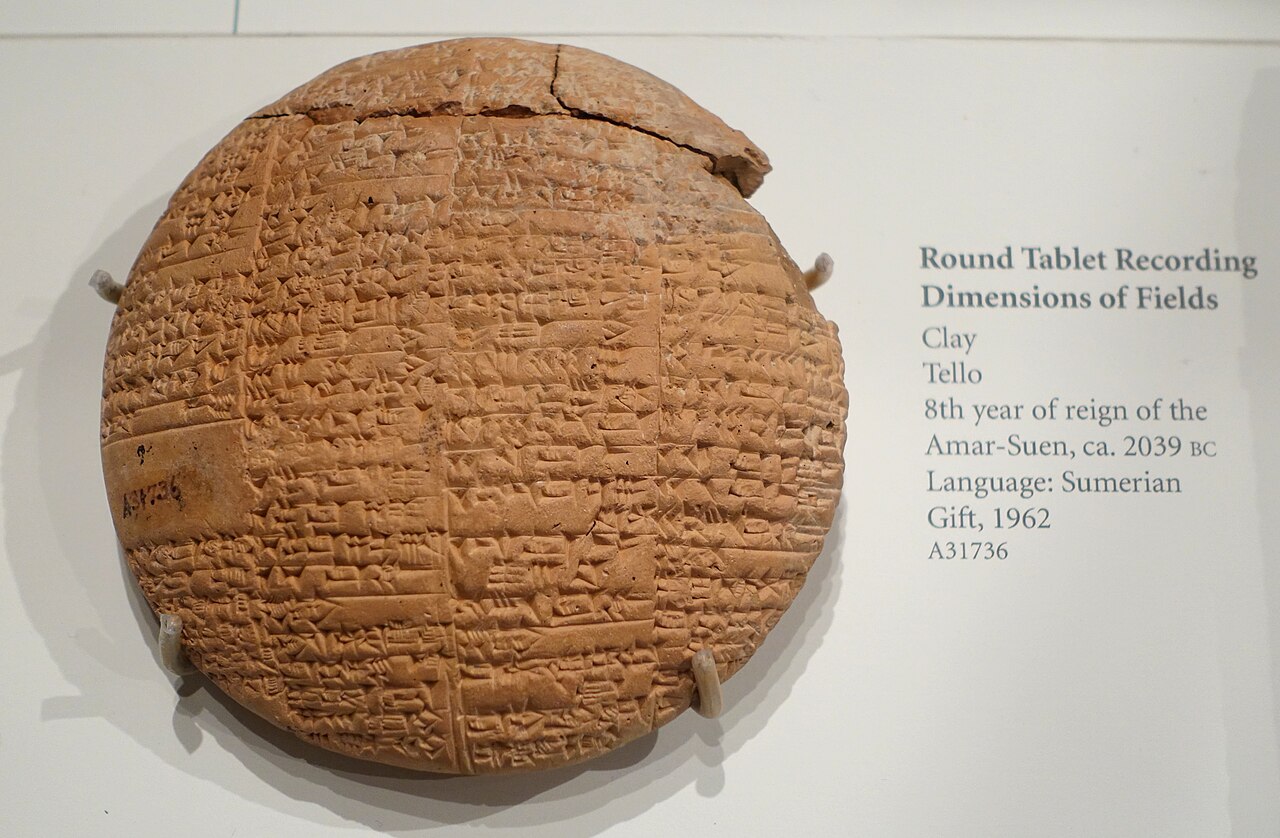
Mesopotamian lexical and grammatical lists collected signs, values and forms for scribal education. A Neo-Babylonian grammatical list discussed by DCCLT documents later scholars organizing Sumerian. It is evidence of ancient linguistic thought, yet its date and school setting differ from the age of many texts it teaches.
Modern-language examples on this page clarify a linguistic pattern. They do not establish unattested sounds or forms for an ancient language. Follow the cited sources below and keep editorial readings separate from the surviving trace.