The claim
First identify exactly what a traditional rule predicts and under what conditions. Does it describe common usage, prescribe a standard, or generate a learned form? A modern editor’s translation of a technical term is itself an interpretive layer. Quote or paraphrase the rule with a precise source.
The corpus
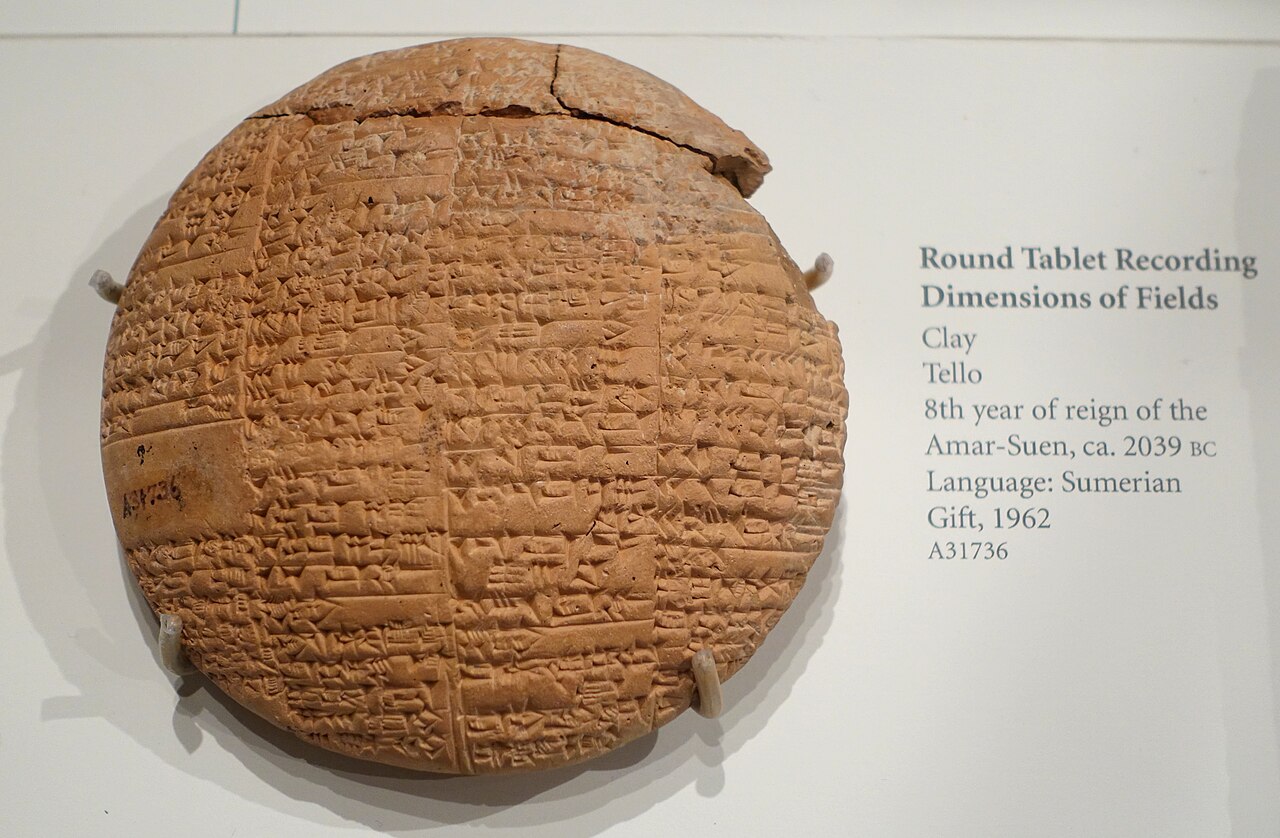
Compare the predicted form with dated textual occurrences, retaining dialect, genre and orthography. A mismatch can mean the rule has a narrower domain, the text belongs to a different period, or the witness is uncertain. Do not “correct” an attested token to satisfy an idealized grammar without marking the change.
Multiple histories
A language’s living or textual practice and its learned analysis may develop on different timelines. Later scribes can study a language no longer spoken in ordinary life. Treat the tradition as a historical source in its own right as well as a guide to parsing earlier texts.
Modern-language examples on this page clarify a linguistic pattern. They do not establish unattested sounds or forms for an ancient language. Follow the cited sources below and keep editorial readings separate from the surviving trace.