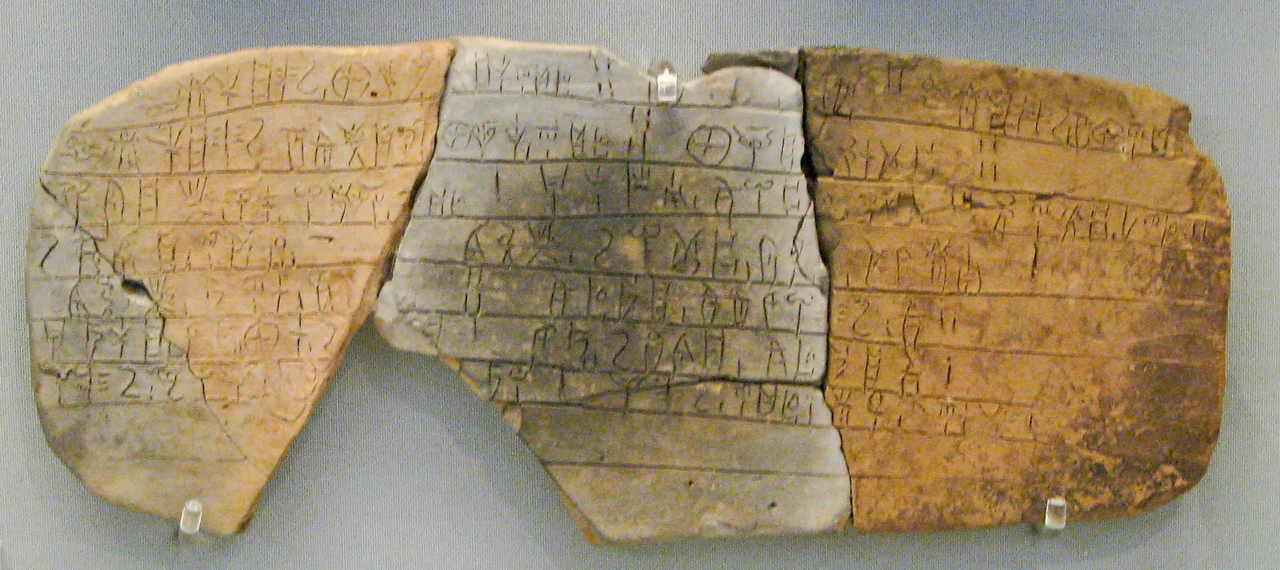
Bibliographic record
Begin with object identifier, edition, line, date range and a stable image reference. If an online transcription and a printed edition differ, note both. Capture the edition’s signs for restorations and doubtful readings before copying any line into your notebook.
Analysis record
Copy the diplomatic reading exactly, then create separate fields for sign values, word division, lemma, morphology, syntax and contextual meaning. Mark which fields come from the editor and which are your proposals. A changed segmentation should not erase the earlier reading.
Review
Return from the proposed translation to the original trace. Ask whether every word has a grammatical role, whether the dictionary sense is attested for the period and whether a competing reading fits as well. Keep the alternative and the evidence that would decide between them.
Modern-language examples on this page clarify a linguistic pattern. They do not establish unattested sounds or forms for an ancient language. Follow the cited sources below and keep editorial readings separate from the surviving trace.