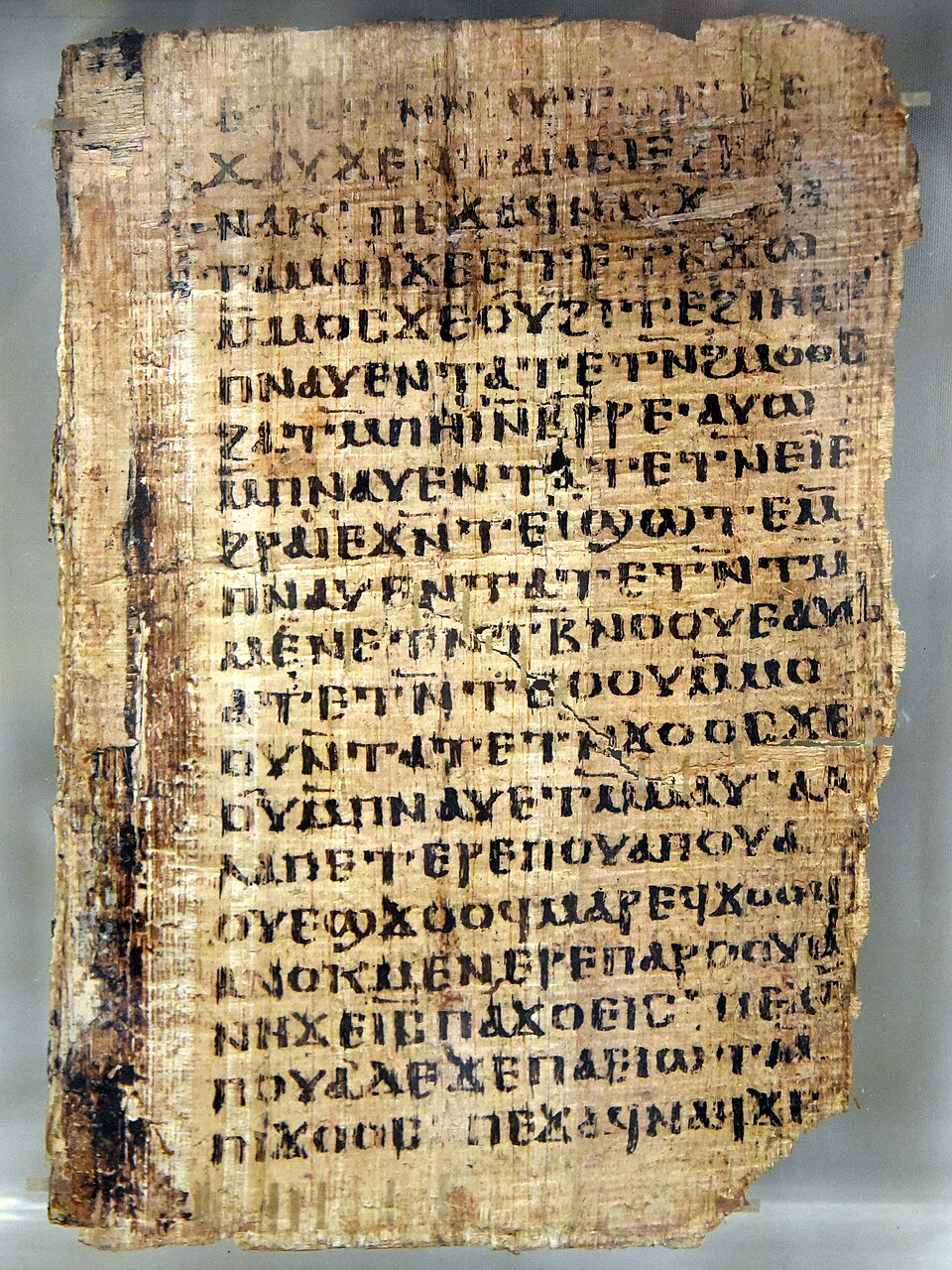
Material witnesses
A text may be incised in stone, impressed in clay or written in ink. A transcription is produced from that material, sometimes from photographs or earlier copies. Vindolanda’s ink tablets are thin wooden sheets; faint strokes and cursive letterforms are part of the reading problem. Record material and writing technology because they affect what can survive.
Editorial intervention
Editors may join fragments, expand abbreviations, restore losses, regularize spelling and add punctuation. Each operation should be visible in a critical edition. Oracc’s ATF and papyri.info have different documented conventions; a square bracket or dot must be interpreted within the edition that uses it.
Versions
Two editions can differ because of improved imaging, a new fragment, a different sign reading or a new grammatical analysis. Compare the exact line and apparatus. A newer edition is useful, but a date alone does not decide every disputed reading.
Modern-language examples on this page clarify a linguistic pattern. They do not establish unattested sounds or forms for an ancient language. Follow the cited sources below and keep editorial readings separate from the surviving trace.