Parser output
A morphological parser applies a lexicon and rules to a written form. It can return several possible lemmas or grammatical analyses for the same string. That ambiguity is normal: syntax and context choose among candidates. A parser may fail on a dialect spelling, a damaged sign or a word absent from its lexicon.
The input
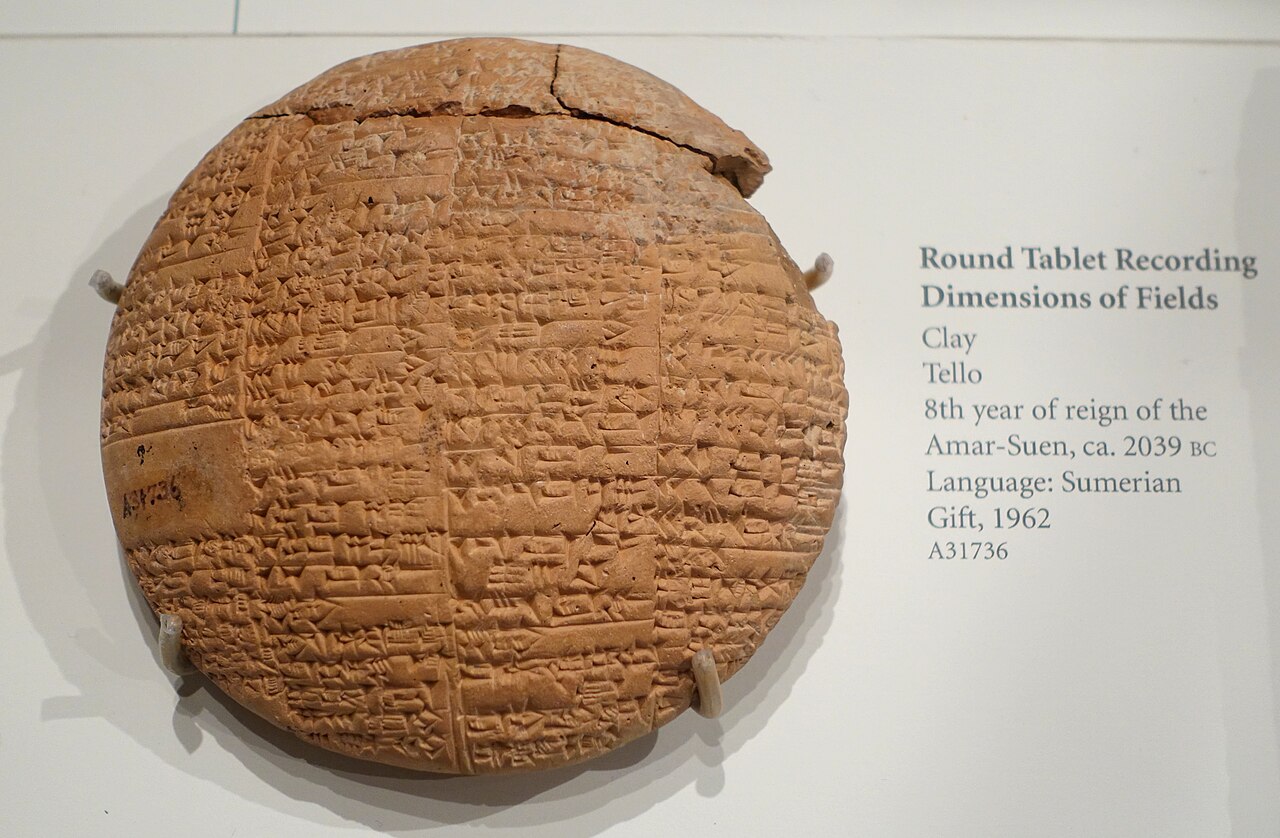
Keep the exact attested signs, editorial transliteration and any normalized input to the parser separately. Oracc’s damage and uncertainty marks can change what is actually known of a cuneiform token. If a tool silently removes marks or expands abbreviations, its result should name that preprocessing step.
Verification
For each accepted candidate, check the grammar that licenses the form, the dictionary entry and comparable corpus attestations. If a candidate is generated rather than attested, label it. A confidence score from a tool is not a substitute for a cited textual argument.
Modern-language examples on this page clarify a linguistic pattern. They do not establish unattested sounds or forms for an ancient language. Follow the cited sources below and keep editorial readings separate from the surviving trace.