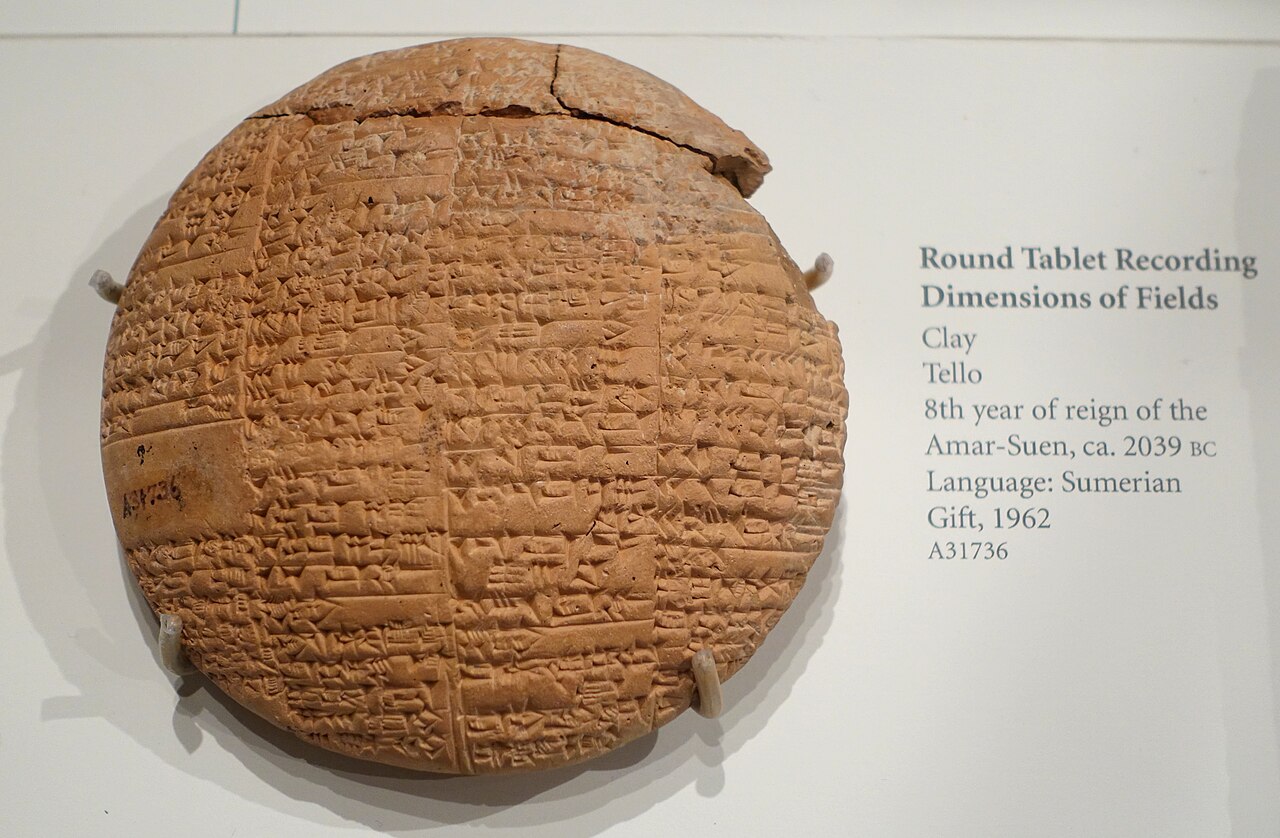
A close gloss
Begin with a line that shows segmentation, grammatical features and a short gloss for each piece. A gloss is a guide to analysis, not finished English. The Maya hieroglyphic handbook’s separation of sign transliteration and linguistic transcription illustrates why a translation belongs after several interpretive layers.
Readable translation
A readable sentence may supply articles, resolve pronouns or choose a tense that the source leaves open. Write it after the close analysis and annotate important additions. When an editor restored a missing word, a smooth English rendering must still tell the reader where the ancient surface ends.
Alternative readings
If two parses fit the visible form, present both with their grammatical consequences. A dictionary’s first gloss should not decide the choice on its own; compare dated citations and syntax. Digital tools are most useful when they make alternatives and source links easy to inspect, not when they conceal them behind one fluent answer.
Modern-language examples on this page clarify a linguistic pattern. They do not establish unattested sounds or forms for an ancient language. Follow the cited sources below and keep editorial readings separate from the surviving trace.