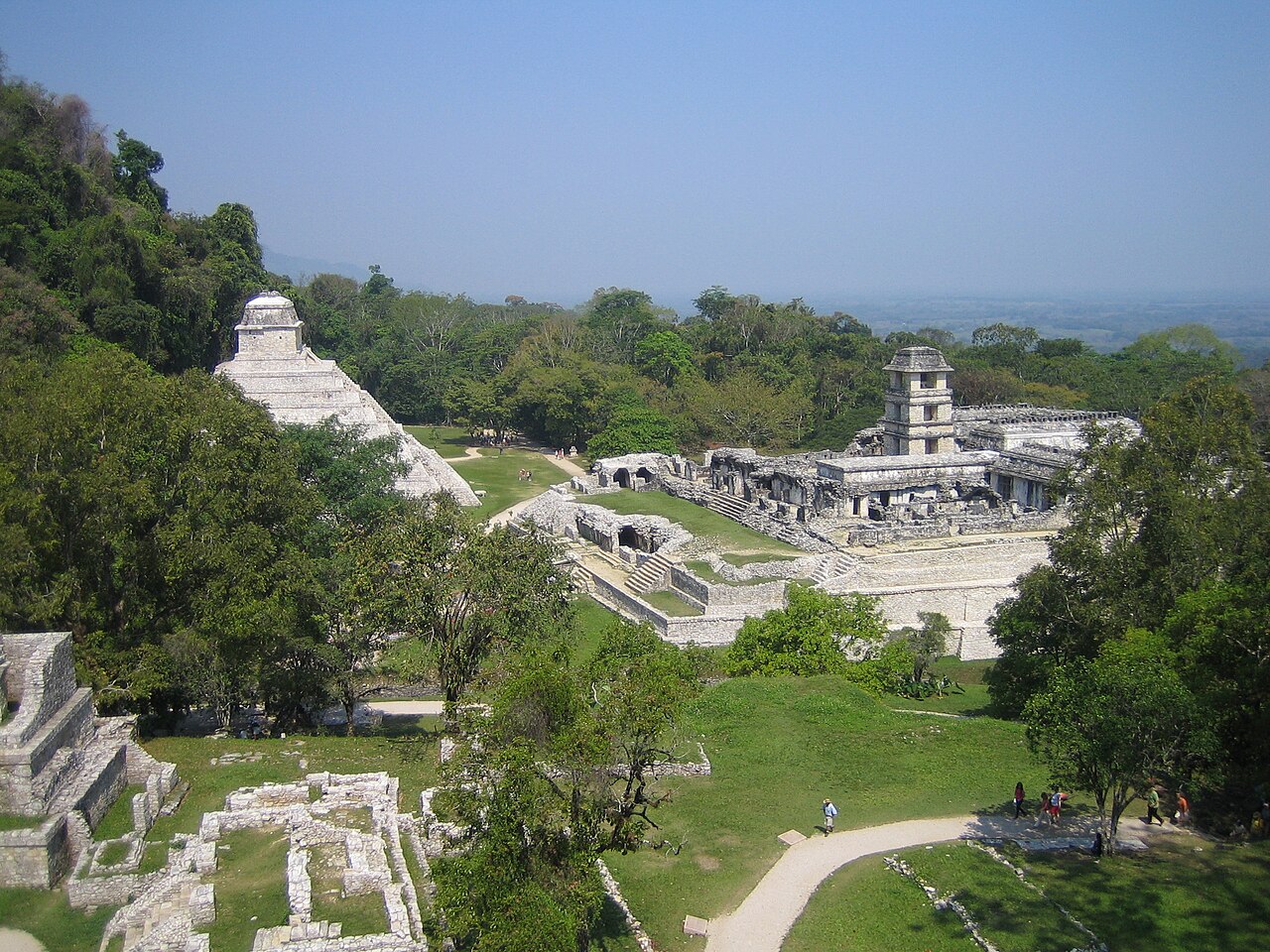
An areal pattern
An areal pattern is a concentration of features among geographically connected languages. Similarity can arise through contact, shared ancestry, parallel innovation, or a coding and sampling artifact. A map makes the pattern visible but cannot on its own choose the cause. WALS introduces areal typology with examples from the Balkans and Mesoamerica and cautions that genealogical and geographical diversity must be considered together.
Evidence for contact is stronger when historical routes, bilingual communities, loans, calques or parallel changes are documented. Even then, the transfer of a word is different from the diffusion of a construction. The feature must be defined comparably, and its distribution should be examined both inside and outside the proposed area. A cluster limited to one family might be inheritance rather than contact.
Contact languages
APiCS was built to compare 76 pidgins, creoles and mixed languages through expert descriptions. Its data are indispensable for studying these varieties on their own terms, including structures shaped by contact, but a typological fact in APiCS does not prove a single universal pathway of creolization. Compare a particular feature, source languages, substrate influence and documented community history. Avoid treating “contact language” as a synonym for a structurally simple language.
Historical evidence may be especially uneven. A colonial archive can document administrative writing far better than community speech; a bilingual inscription may give only formal translations. Record the evidence base and its social setting. A language contact claim is about speakers and communities, not merely two scripts found near each other.
Change through time
Typological states are snapshots under chosen definitions. A shift from one order to another can be gradual and construction-specific. A manuscript tradition may preserve old formulas after ordinary usage changes. To claim historical change, compare dated and genre-matched corpora, handle copying and editorial normalization, and report intermediate mixed patterns. A modern atlas point cannot be back-projected unchanged into an ancient stage.
Exercise: find a regional cluster in WALS. List three rival explanations—inheritance, diffusion and sampling—and the independent evidence that would favor each. This is more informative than naming the area as though the name were an explanation.
Modern-language examples on this page clarify a linguistic pattern. They do not establish unattested sounds or forms for an ancient language. Follow the cited sources below and keep editorial readings separate from the surviving trace.