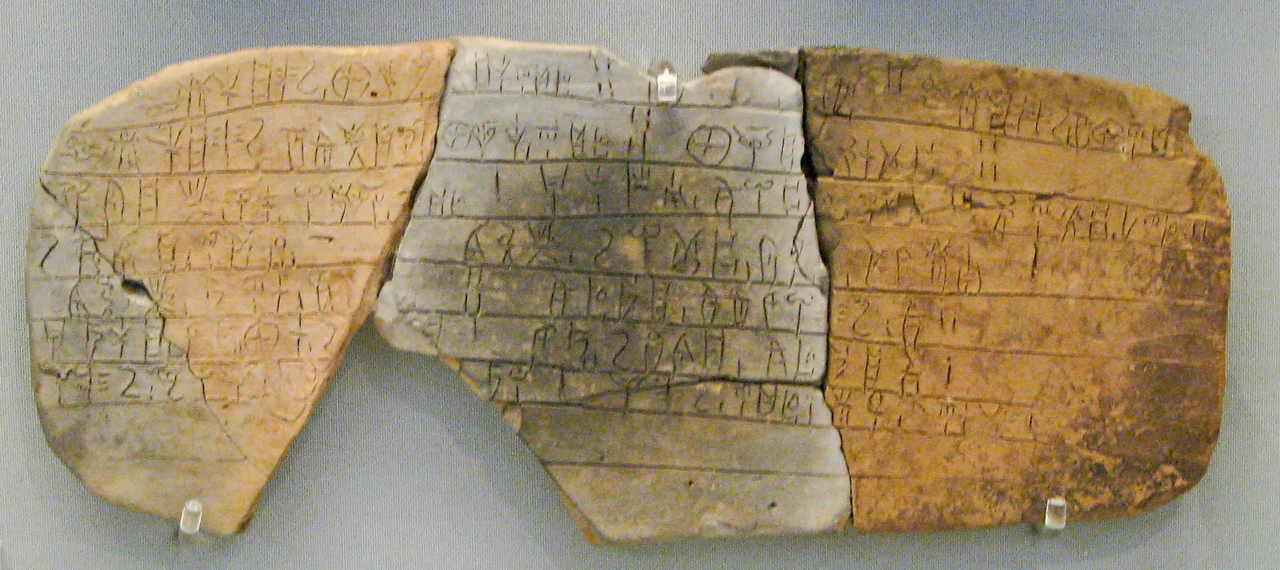
Trace, damage and loss
A faint stroke may be visible but hard to classify; a broken surface preserves no stroke at all. These are different evidence states. In Oracc’s ATF notation, a damaged sign and a missing sign restored by an editor receive different marks. Papyrological conventions likewise distinguish visible but uncertain letters from wholly supplied ones. Learn the key for the edition you are using.
A competing reading
Sketch or describe the trace without immediately writing the word you expect. List the viable sign identifications, then test each against the adjacent signs and grammatical context. If a familiar formula suggests a letter that is not visible, present it as a restoration rather than a reading of a surviving stroke.
Digital display
Searchable text often shows one clean character where the object shows an ambiguous mark. A responsible digital edition keeps an image or facsimile, diplomatic reading, uncertainty indicator and normalized text linked. The reader can then reverse the editorial path and judge the proposed sign independently.
Modern-language examples on this page clarify a linguistic pattern. They do not establish unattested sounds or forms for an ancient language. Follow the cited sources below and keep editorial readings separate from the surviving trace.