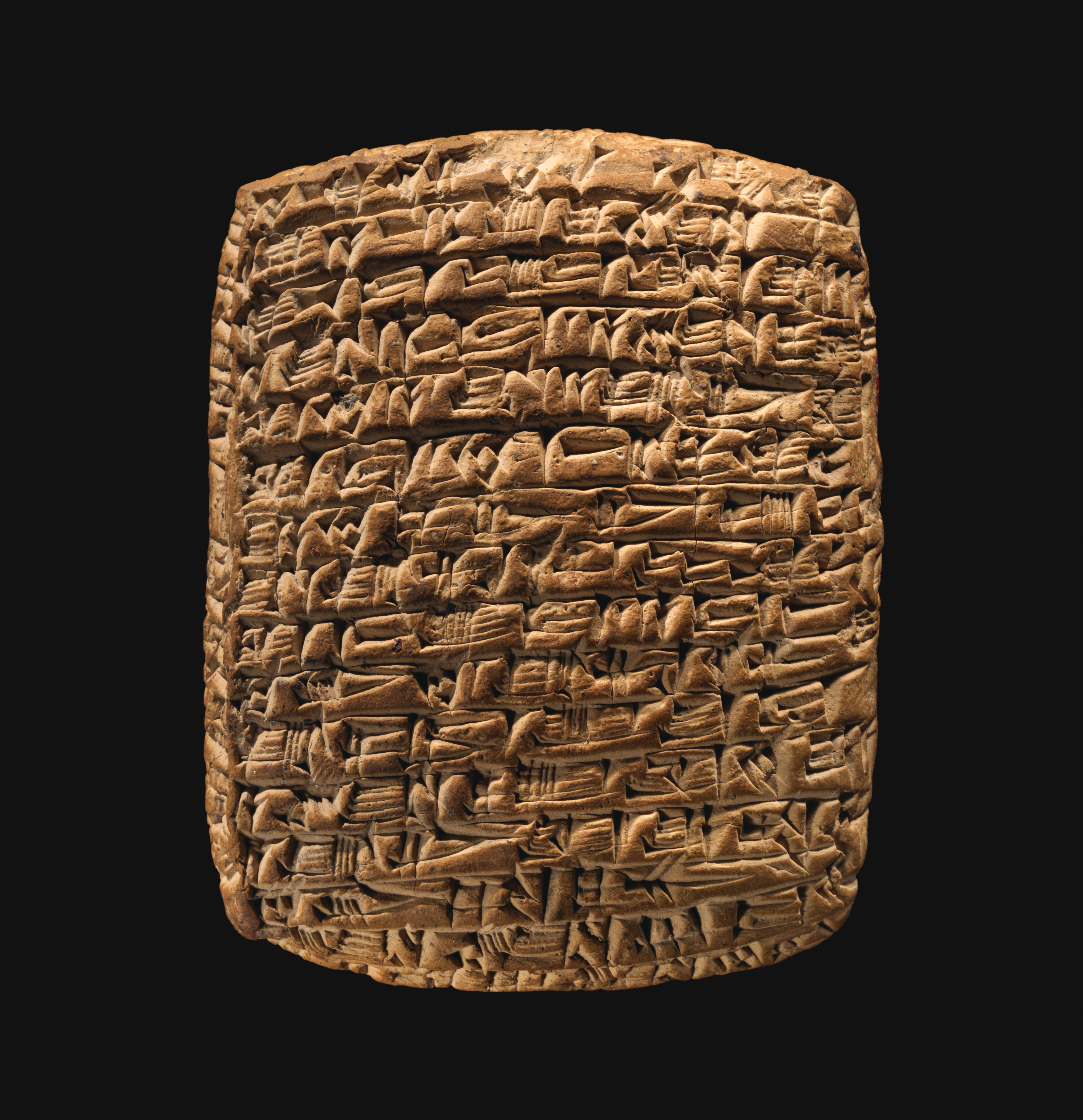
Exact first
Start with a literal form in a known text. Verify that the search retrieves the passage where you first saw it. This positive control checks script input, accents, case, word division and the search field. Then widen one choice at a time: variant spelling, inflection, proximity or collection. If a known passage disappears, diagnose the query before interpreting a zero-result list.
In Oracc, the documented !txt zone searches sign sequences in transliterations; a glossary search works at a different lexical layer. Perseus offers exact or expanded inflected-form searches. The Chinese Text Project's advanced search distinguishes exact characters from other match modes. Record the option selected, not just the typed string.
Operators and regular expressions
Some tools offer wildcard, proximity or regular-expression syntax, but these are not universal languages. A dot may mean “any character” in a regular expression and a literal dot in another interface; a star can repeat a pattern or stand for an arbitrary sequence. Read the corpus's own syntax help, test a pattern against one known positive and one known negative, and only then run it over the collection.
For a local export, a carefully scoped regular expression can be useful: a pattern such as ^foo$ means “the whole token is foo” in many regex engines, while foo matches it anywhere within a string. That example describes generic regex logic, not a promise that every corpus search box accepts it. Keep Unicode normalization and punctuation rules explicit.
Variants without drift
Write a variant list from the edition or grammar before searching: spelling variants, diacritic choices, transliteration conventions and inflected forms. Run each separately or use a documented grouped query. Avoid broad patterns that match unrelated names or words. In a Greek search, compare accent-sensitive and accent-insensitive settings if the tool provides them; in a Chinese search, specify traditional or simplified display and matching behavior.
Inspect the first ten hits and some later hits. Record false positives and missed known examples, then tighten the query. A changed query needs a new saved record.
Practice
Create a query log with columns for question, field, exact string or syntax, corpus scope, expected positive passage, expected negative passage, and results. Test two versions of the query. Explain why the second retrieves a meaningfully different set.
Modern-language examples on this page clarify a linguistic pattern. They do not establish unattested sounds or forms for an ancient language. Follow the cited sources below and keep editorial readings separate from the surviving trace.