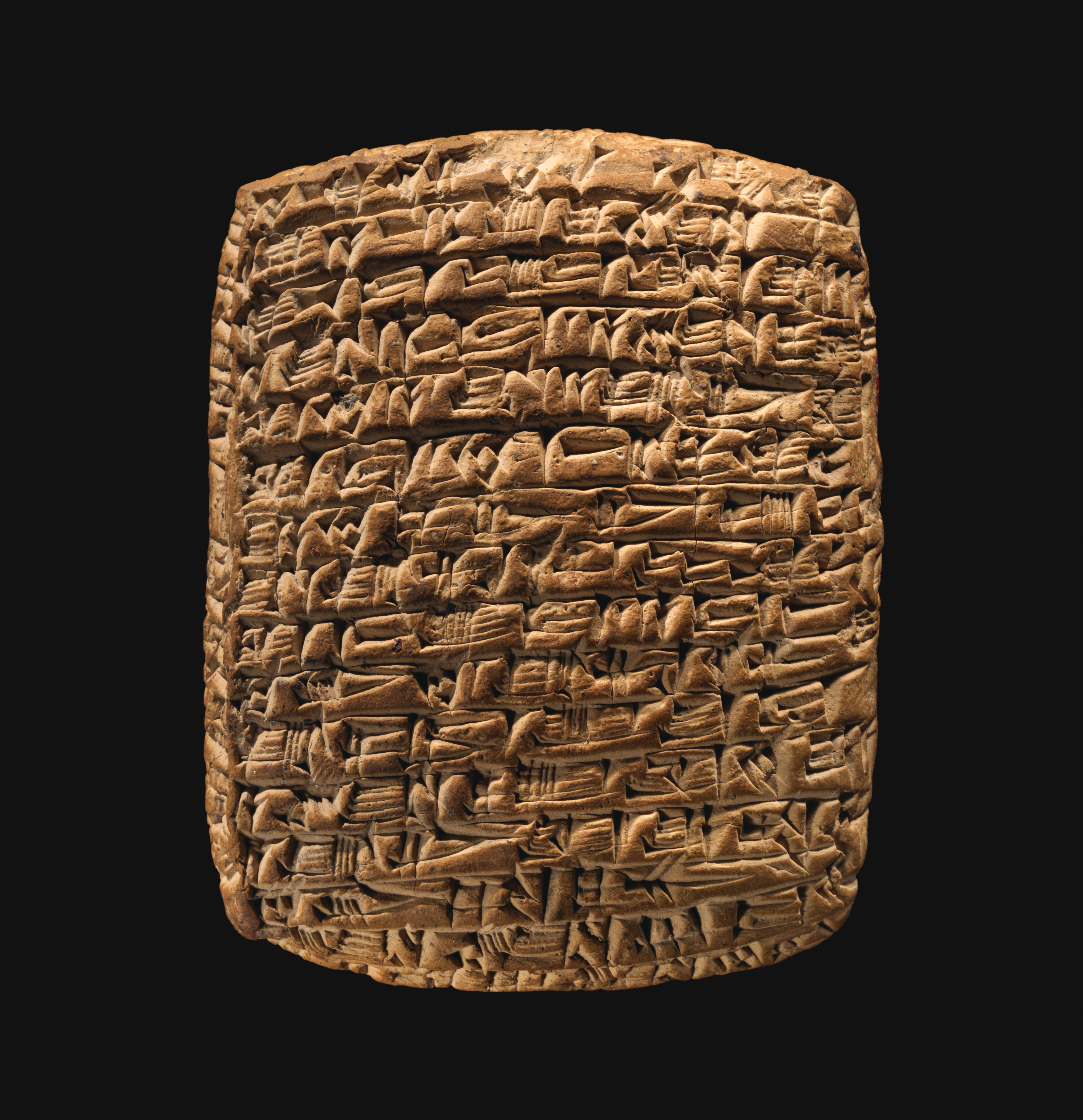
From object to search box
A photograph records an object from a particular angle; a diplomatic transcription records an editor's reading of its marks; a transliteration represents signs in a scholarly notation; a normalized text may regularize spelling or supply word boundaries. A translation adds interpretation. A search box can index any one or several of these, but the returned line does not reveal which layer matched unless you check the interface.
In Oracc, the documented transliteration search finds sign sequences; its glossaries are better suited to words across spellings. Papyri.info combines searchable transcriptions and metadata from distinct partner projects. Before claiming a word occurs on an object, open its record and inspect the edition's notation and, where available, its image.
Damage and supply
Lost letters supplied by an editor, uncertain visible letters and letters that survive clearly have different evidential status. TEI distinguishes, among other things, gaps, unclear text and supplied text. The display may make a restored word easy to read; that does not make every letter visible. Editorial conventions also vary by field, so read the local guide before interpreting brackets, dots or question marks.
For a hit in a damaged papyrus, copy the exact transcription with its marks. In a separate note, state whether the target letters are visible, uncertain, restored or absent. Count restored hits separately when your question concerns attested spelling.
The Chinese witness check
The Chinese Text Project explains that many transmitted works have multiple historical versions. For passages linked to a scanned source, it can display the electronic text beside the scan and mark corrections while preserving the source character. Search an exact character string, open a matching passage, and use the linked image when present to decide whether the electronic character represents that particular witness or an editorial correction.
A modern simplified-character display is a reading aid, not proof that an early manuscript used those exact glyphs. Record the chosen edition and display mode.
Practice
Find one result that contains an editorial intervention: a supplied Greek letter, an uncertain cuneiform sign, or a corrected Chinese character. Make four lines headed object or image, diplomatic reading, normalized or indexed form, and translation. Put “unavailable” where the site does not supply a layer.
Modern-language examples on this page clarify a linguistic pattern. They do not establish unattested sounds or forms for an ancient language. Follow the cited sources below and keep editorial readings separate from the surviving trace.