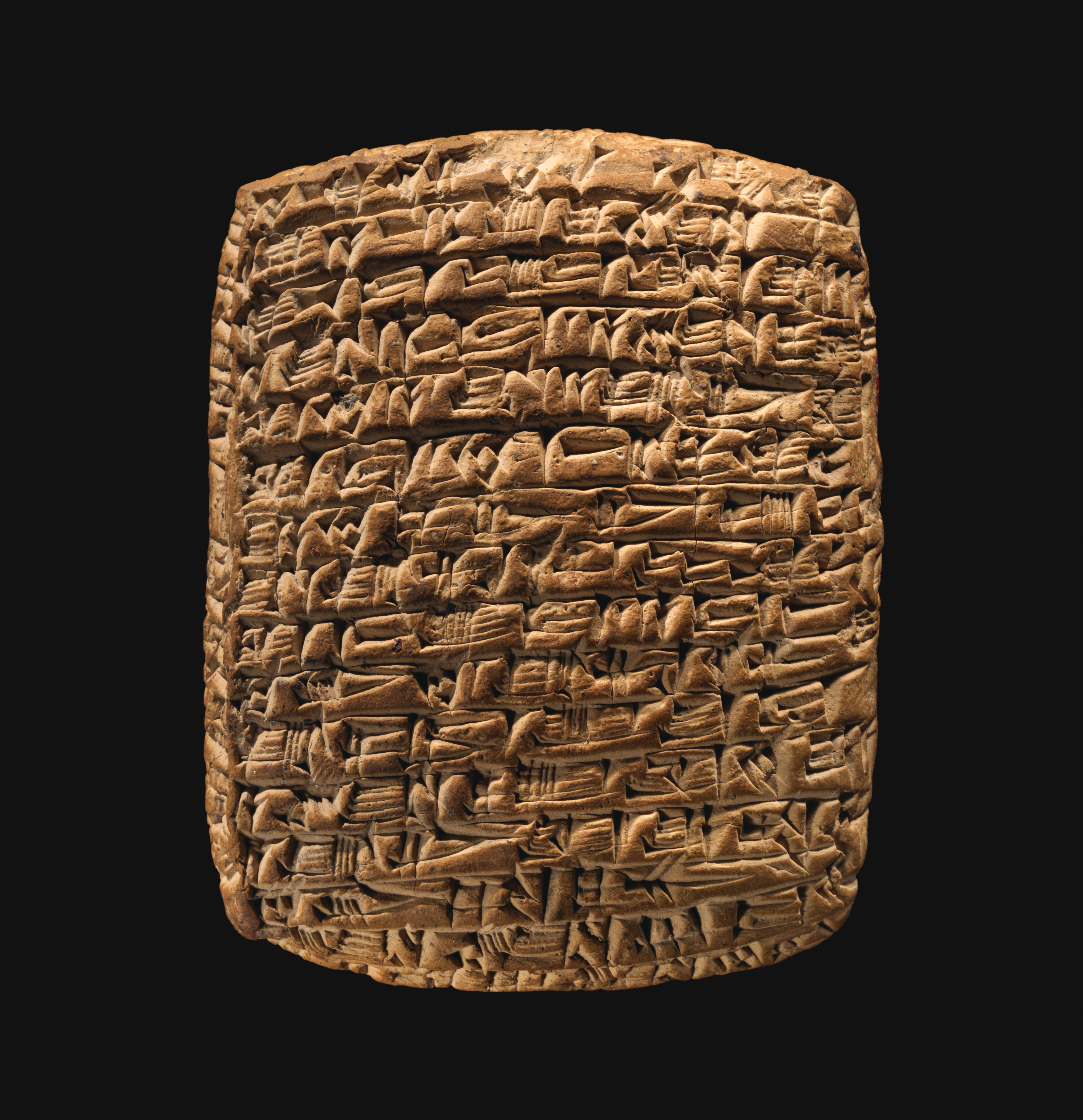
Cuneiform spelling and lexeme
In an Oracc project, choose one short, well-edited tablet line. Copy a sign sequence from its transliteration and search it in the documented transliteration zone. Open two results to check signs and context. Next find the corresponding glossary entry and compare its attestations: the glossary may bring together spellings that a literal sign search misses. Record project name, text identifiers, query layer and any damaged or restored signs.
The two result lists answer different questions. The sign search tests a written sequence; the glossary tests editorial lexical grouping. Do not call a glossary hit proof of identical spelling.
Greek documents and metadata
In Papyri.info, select the DDbDP collection, a narrow date interval and one document series. Search a short Greek string in the text field and open each returned record. Note whether the string is fully visible in the transcription and whether an image or publication reference is supplied. Compare the hit list with a second search that changes only the date interval.
Report the series and number of eligible transcribed documents alongside the hit count. If the interface cannot give a reliable denominator for your exact filters, describe the hit set without computing a rate.
Sanskrit forms in context
In the Digital Corpus of Sanskrit, choose a lexical unit through the dictionary or query interface. Open its detail page, inspect the list of attestations, then open a line in the text interface. Write down the displayed continuous text, the sandhi-split segment, lemma and morphological analysis in separate fields. Compare two occurrences from different works and ask whether their grammatical contexts justify one English gloss.
The DCS is a selected, annotated collection. Its distribution describes its included texts and tagging; it is not automatically a frequency for all Sanskrit literature.
Chinese characters and versions
In the Chinese Text Project, run an exact-character advanced search within a selected text group. Open a result and, where the Image link is present, compare the electronic passage to the scanned edition. Search a related string or a named dictionary entry separately and note whether it retrieves the same passage. The project warns that strings matching names may need more specific searches.
Keep the version of the text, character display mode and match mode in the record. Do not treat two textual versions as independent evidence of the same historical usage without considering their transmission.
Practice
Choose one of these four workflows and carry it through. Submit a one-page search record: question, corpus and scope, query and layer, five checked hits with identifiers, one excluded hit with reason, result stated in the unit actually counted, and one limit that a different witness or corpus could resolve.
Modern-language examples on this page clarify a linguistic pattern. They do not establish unattested sounds or forms for an ancient language. Follow the cited sources below and keep editorial readings separate from the surviving trace.