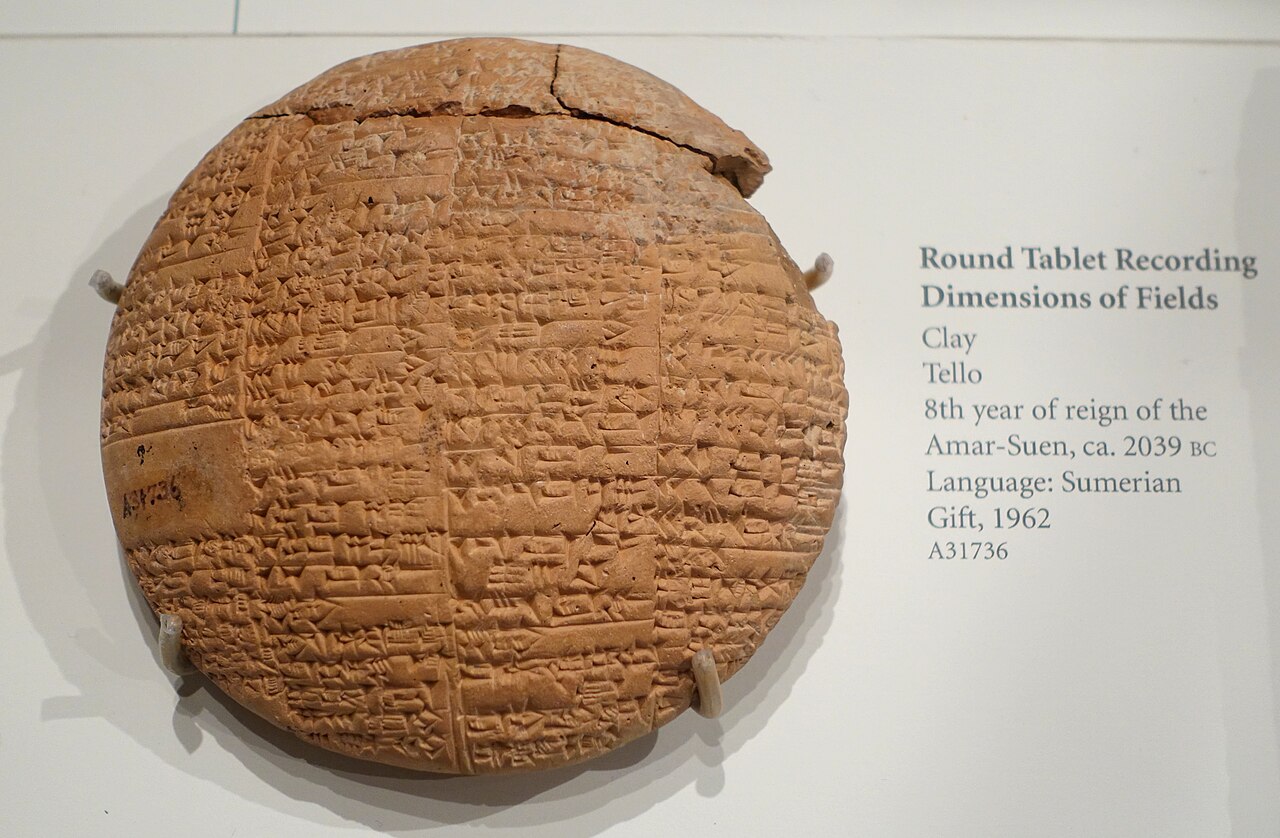
Dates belong to evidence
A historical lexicon tracks uses across time. A headword can group early and late forms, but its senses may not be equally attested in every century. Distinguish the date of the object, the date of the composition, the date of a surviving copy and the date of a modern edition. A medieval manuscript of an older text is evidence for that manuscript’s reading and may also transmit an earlier work; it is not automatically direct evidence for the older pronunciation or spelling.
Dictionary arrangements vary. Some organize senses by proposed semantic history; others start with common or concrete meanings. Neither ordering proves that the first sense is the oldest. Consult the lexicon’s method and dated citations. If a sense has only late examples, mark an earlier application as an argument requiring other evidence.
Semantic mechanisms
Broadening extends a word to more referents; narrowing restricts it; metaphor and metonymy create related uses by resemblance or association. These are descriptions of documented changes, not templates to be imposed on a short ancient record. A technical administrative meaning might coexist with an everyday one, and formulaic texts may preserve an older meaning after ordinary usage has shifted. Establish the distribution before proposing a direction of change.
A cognate in a related language may help explain inherited form or an earlier semantic field. It does not license transferring every meaning into the target period. A loanword may arrive with a narrower or different sense than in its donor language. Separate etymological origin, attested meaning in this language, and your English rendering of one occurrence.
Ancient and modern lexica
The Mesopotamian lexical lists documented by DCCLT are themselves ancient evidence: thematic lists and later bilingual Sumerian–Akkadian lists were used in scribal training and scholarship. They are not modern dictionaries and their columnar equivalences are not guaranteed one-to-one definitions. Modern works such as the Chicago Assyrian Dictionary can use those lists as evidence alongside running texts. Ask whether a proposed meaning comes from a bilingual ancient equation, a contextual occurrence or a modern scholar’s comparison.
Practice
Choose a dictionary entry spanning more than one dated period. Build a small timeline with the earliest and latest secure citation for two senses. Mark any dated copy whose composition may be older. State which semantic shift is demonstrable and which remains a hypothesis.
Modern-language examples on this page clarify a linguistic pattern. They do not establish unattested sounds or forms for an ancient language. Follow the cited sources below and keep editorial readings separate from the surviving trace.