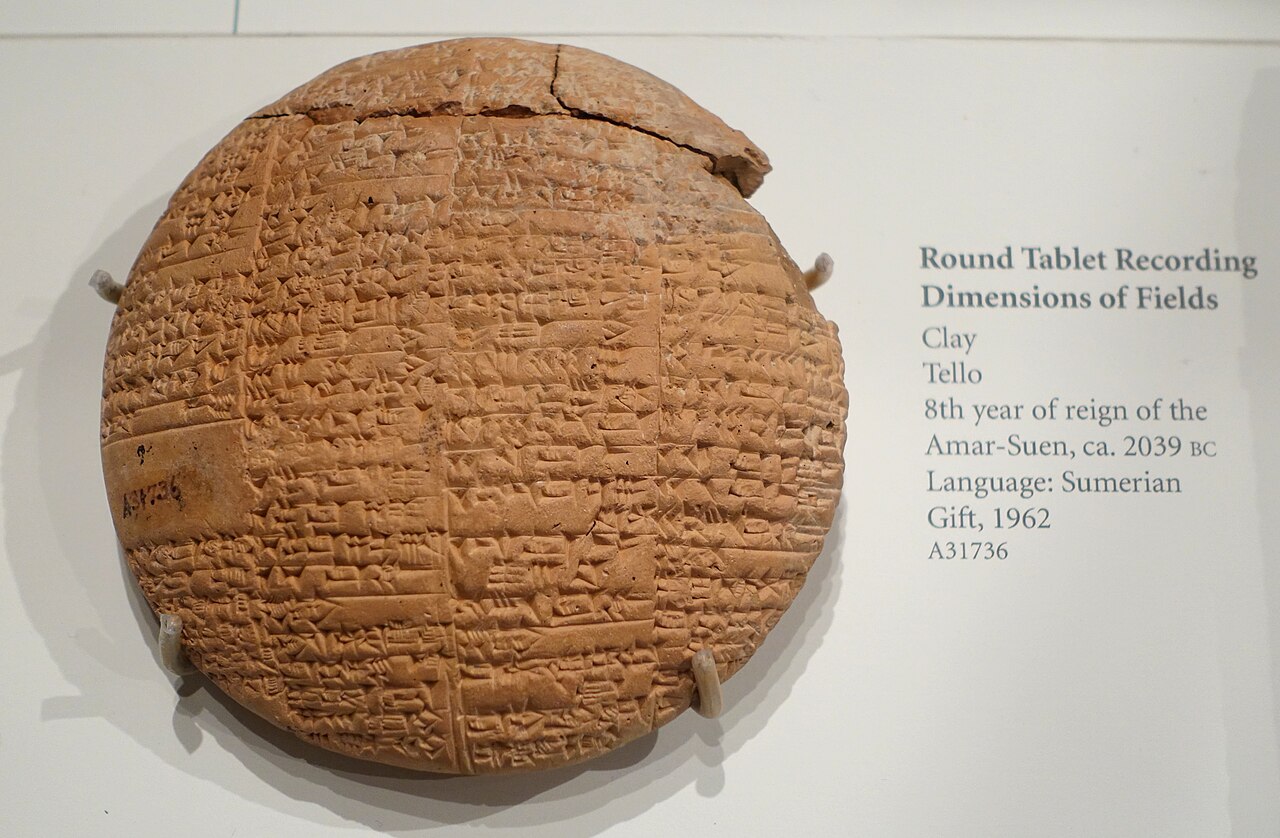
Ancient lexical traditions
The earliest cuneiform lexical lists include thematic groupings such as professions, animals and vessels. Later lists could align Sumerian and Akkadian. DCCLT explains that lists served teaching and scholarly interpretation over many centuries. Their order and columns reveal how scribes organized knowledge; they are primary sources in their own right. They should not be flattened into an English word list because a sign name, a Sumerian written item and an Akkadian translation play different roles.
Sign lists identify graphic values and sometimes supply words written with a sign. A modern lexical entry, by contrast, may gather contextual attestations and grammatical analyses. The resources answer complementary questions: Which sign am I seeing? Which possible readings does it have? Which lexeme could this form represent? What do the cited contexts show it means?
Coverage and specialization
No single lexicon covers every period, dialect, genre and script equally. The Chicago Assyrian Dictionary treats Akkadian and its dialects; ePSD2 organizes Sumerian glossaries and linked corpora; the Cologne Digital Sanskrit Dictionaries expose multiple historical dictionary works; Coptic SCRIPTORIUM connects digital corpora with an online dictionary. These are different editorial projects, not interchangeable mirrors. Consult the scope, edition and rights notice for each.
Specialist lexica may focus on technical vocabulary, personal names, places, a single author or a period. A general dictionary may omit rare specialist uses, and a specialist lexicon may not be a complete grammar. Use a general entry as a starting point, then consult the resource tailored to the text’s genre or period. For a proper name, an onomastic resource may be more useful than an ordinary noun dictionary.
Cross-project checks
When two resources disagree, compare their cited evidence and edition dates. One may have a newly joined tablet, different normalization, narrower sense grouping or updated interpretation. Log the disagreement instead of silently choosing the more fluent English. If one site licenses display of a modern dictionary, its contents cannot simply be copied into another site. A source link and original teaching summary are distinct from republishing its data.
Practice
Choose one word in a language with at least two reputable lexica. Write a two-column comparison of scope, headword policy, edition date, cited evidence and rights statement. Explain which resource is better matched to your passage and why.
Modern-language examples on this page clarify a linguistic pattern. They do not establish unattested sounds or forms for an ancient language. Follow the cited sources below and keep editorial readings separate from the surviving trace.