Sound and spelling
A borrowed spoken form is perceived and reproduced through the recipient community’s sound categories. Speakers may substitute a familiar consonant for an unfamiliar one, adjust a syllable shape, or assign the form to a native stress pattern. Writers then choose among their own script’s resources, sometimes retaining a foreign spelling convention and sometimes normalizing it. A spelling that looks irregular may therefore reflect a conventional transliteration, a stage of pronunciation, a copyist’s practice, or the editor’s normalization.
Do not infer pronunciation from one written form alone. Compare several tokens, alternate spellings, rhyme or metre if relevant, and the receiving language’s ordinary orthography. The point is to reconstruct a pathway of use, not to mark a form “foreign” forever because it differs from a modern dictionary headword.
Grammar and meaning
Integration can be morphological as well as phonological. A borrowed noun may enter a native gender or noun class, take recipient-language case endings, and develop native derivatives. A verb may need a light-verb construction if the receiving language cannot simply attach its verbal endings to the donor stem. These are possible mechanisms to test, not automatic rules. Record the forms actually attested across contexts, and distinguish a single bilingual writer’s innovation from a conventional form used by multiple writers.
Meanings may also narrow, broaden or shift. A donor word for a general object can become a technical term in the recipient, while a title may be borrowed with an institution. Dictionary glosses can conceal this: compare passages, not just headword translations. WOLD’s fields for semantic domain and effect are useful prompts, but the historical analysis still depends on individual witnesses.
A documented Egyptian example
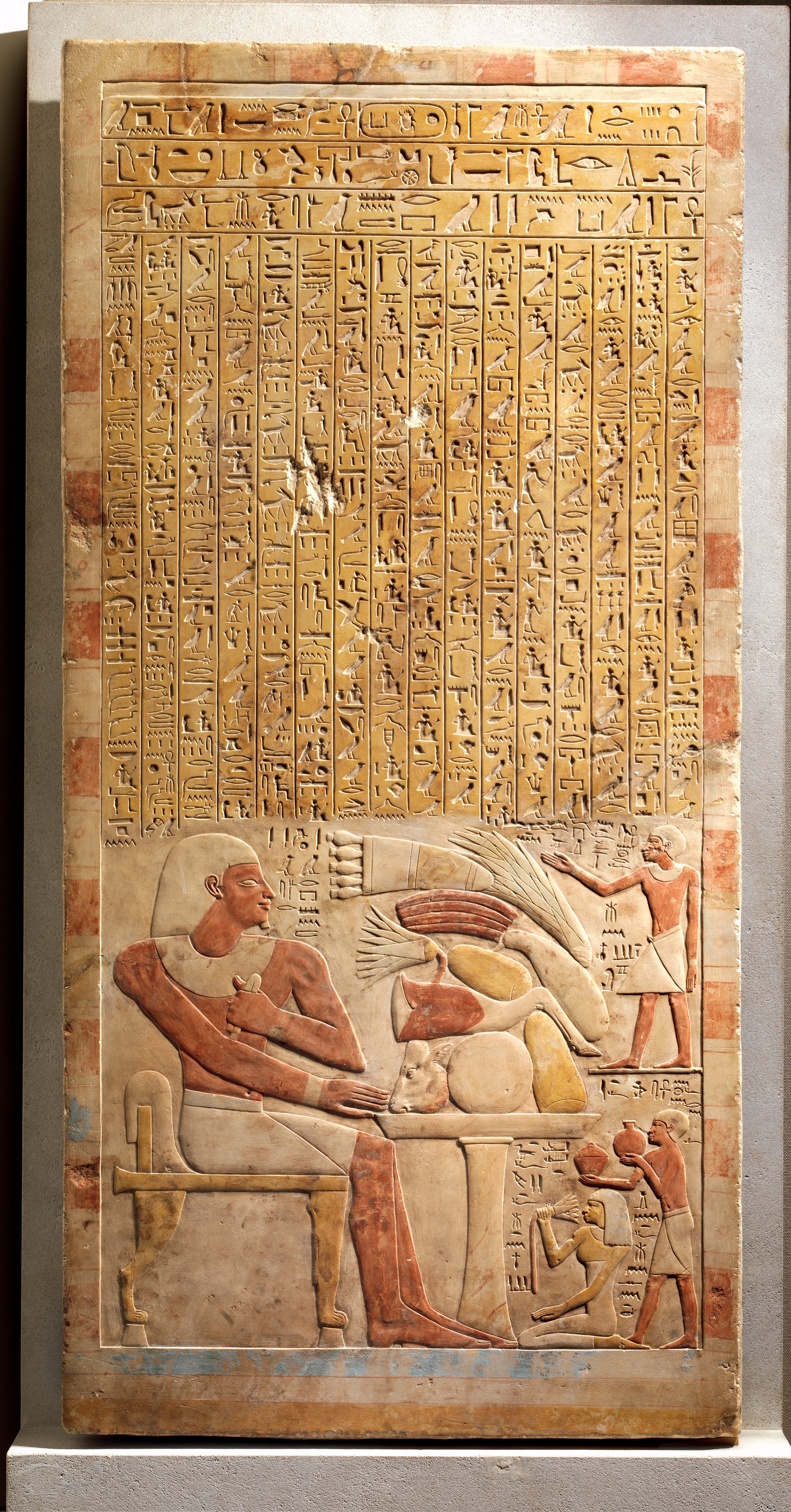
The Cambridge chapter on the languages of law discusses Egyptian terms that appear in Greek documents and possible translated legal expressions moving in the other direction. One example is an Egyptian designation for a part of a house in sixth-century Greek sale documents from Syene. The significance lies in the legal setting and the writers’ need to name a local architectural feature; it would be misleading to infer from this alone that all Greek speakers in Egypt used the term.
Coptic SCRIPTORIUM’s work on language-of-origin annotation and Greek loanword resources illustrates a modern research workflow: tag candidate forms, verify their lemmas and contexts, and keep the editor’s annotation separate from the original token. A computational label helps find patterns; it is not independent proof of a particular historical borrowing event.
Modern-language examples on this page clarify a linguistic pattern. They do not establish unattested sounds or forms for an ancient language. Follow the cited sources below and keep editorial readings separate from the surviving trace.