Language and script are different histories
A language can be written in more than one script, and a script can be adapted to several languages. Cuneiform began in a Sumerian setting and was adapted for Akkadian, which is genealogically unrelated to Sumerian. The DCCLT sign-list introduction explains that the same sign inventory served both but that sign use differed substantially. This is script transmission, not evidence that Akkadian descended from Sumerian.
Similarly, the Unicode Standard describes Coptic writing as based on Greek uncial letters with additional Coptic letters, while the language is a later stage of Egyptian. The Greek-derived appearance of the writing does not change Egyptian genealogy. A label such as “Greek alphabet” must not silently become “Greek language.”
Adaptation across Central Asia
Unicode traces the Sogdian script through Old Sogdian and an Aramaic-derived alphabet, and describes Old Uyghur writing as developing from Sogdian cursive. It also notes that Sogdian writing could be used for Chinese, Sanskrit and Uyghur. These relationships concern graphic traditions and writing conventions. The languages involved occupy different genealogical branches; visual similarity among letters cannot establish a language family.
A student studying transmission should compare dated forms of letters, writing direction, joins, punctuation, and the sounds or syllables each community needed to represent. The resulting account may involve adaptation rather than simple copying: a script’s inventory and conventions change in new hands. A Unicode chapter is useful as a map of encoded writing systems, while palaeographic conclusions still require actual manuscripts and inscriptions.
Prestige and domain
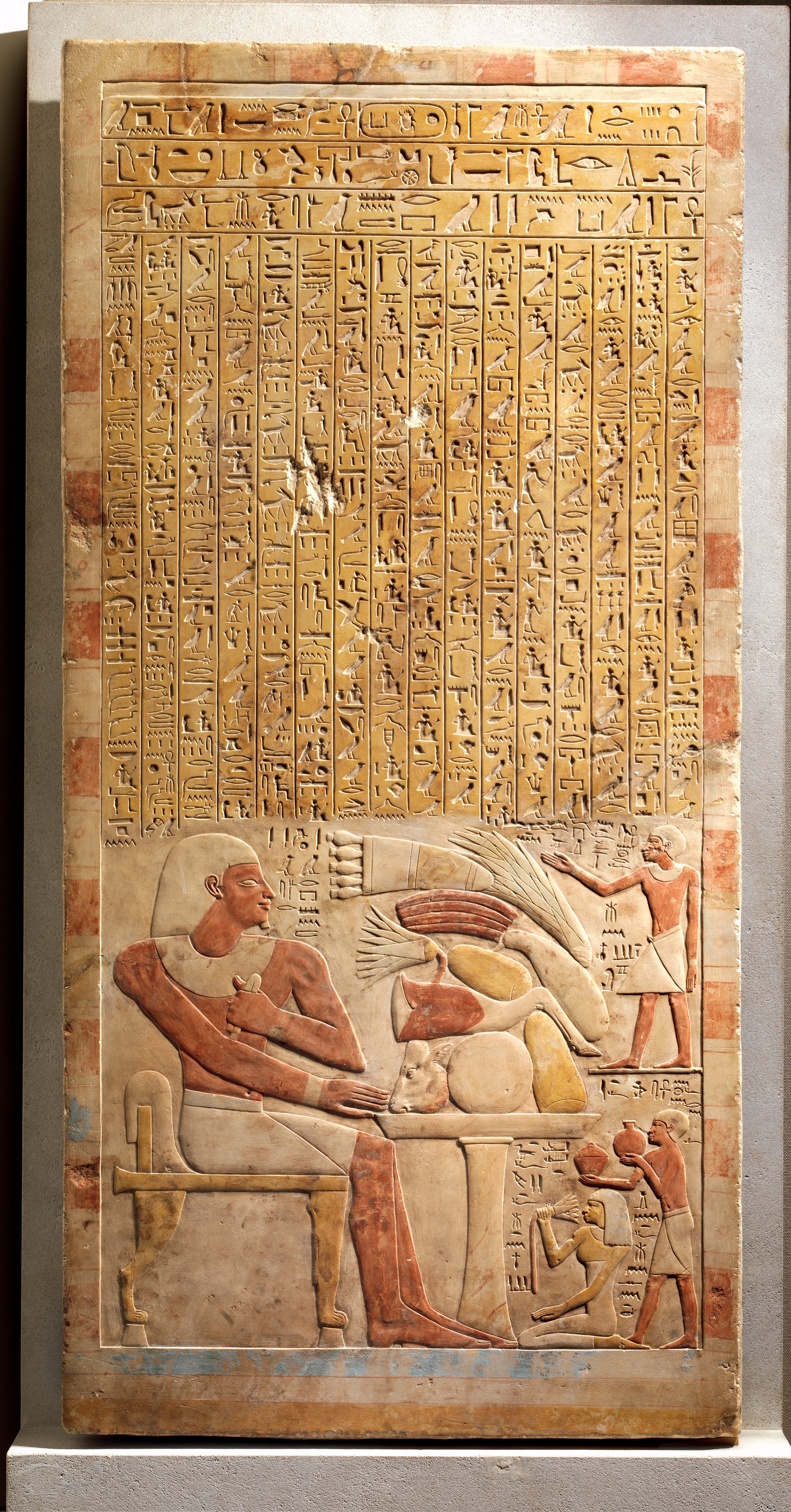
Writing can spread through schools, law, religion and administration even when no vernacular shift occurs. An official language may be copied because it carries authority; a learned language may survive because texts remain useful. In Rosetta’s decree, hieroglyphic, Demotic and Greek versions make a formal political message available through different writing traditions. The visible choice of script is evidence for institutional aims, not a direct measure of private identity or of which language had greater worth.
Source exercise: the Unicode Standard describes Coptic as a later Egyptian language written with Greek-derived letters and additional signs. Identify which relationship is genealogical and which concerns script history. Compare this with DCCLT’s account of cuneiform adaptation from Sumerian to Akkadian: in the latter case the languages are unrelated. Neither script resemblance nor script change alone establishes linguistic descent.
Modern-language examples on this page clarify a linguistic pattern. They do not establish unattested sounds or forms for an ancient language. Follow the cited sources below and keep editorial readings separate from the surviving trace.