What shift describes
Language shift is a community-level change in habitual language use across generations or social domains. It is not identical to an individual learning a second language, a document being translated, or a new script appearing. A language can lose ordinary vernacular use yet remain in ritual, scholarship or school. A final surviving inscription gives the last attested witness in a corpus, not the day the last speaker died.
Evidence for shift should therefore be arranged by domain: household speech if documented, legal documents, administration, education, religious practice and literary copying. Ancient sources are heavily uneven. Silence in one archive may mean loss of material or changed recordkeeping rather than a speech community’s disappearance.
Sumerian and Akkadian
DCCLT explains that Sumerian ceased to be an ordinary spoken language by the end of the third millennium BCE while Sumerian texts and lexical study continued for many centuries. Old Babylonian school lists were largely unilingual Sumerian even when pupils received Akkadian explanations, and later bilingual lists became common. These sources show maintenance of a learned language through institutions. They do not identify the spoken language of every household or a single universal shift date.
Track the dating of the specific tablet, the date of the composition copied, and the function of the text. A late hymn can preserve old wording; a school exercise can show teaching, not daily fluency. This is why a linear graph of document counts cannot be read directly as a graph of speakers.
Egyptian, Coptic and Arabic
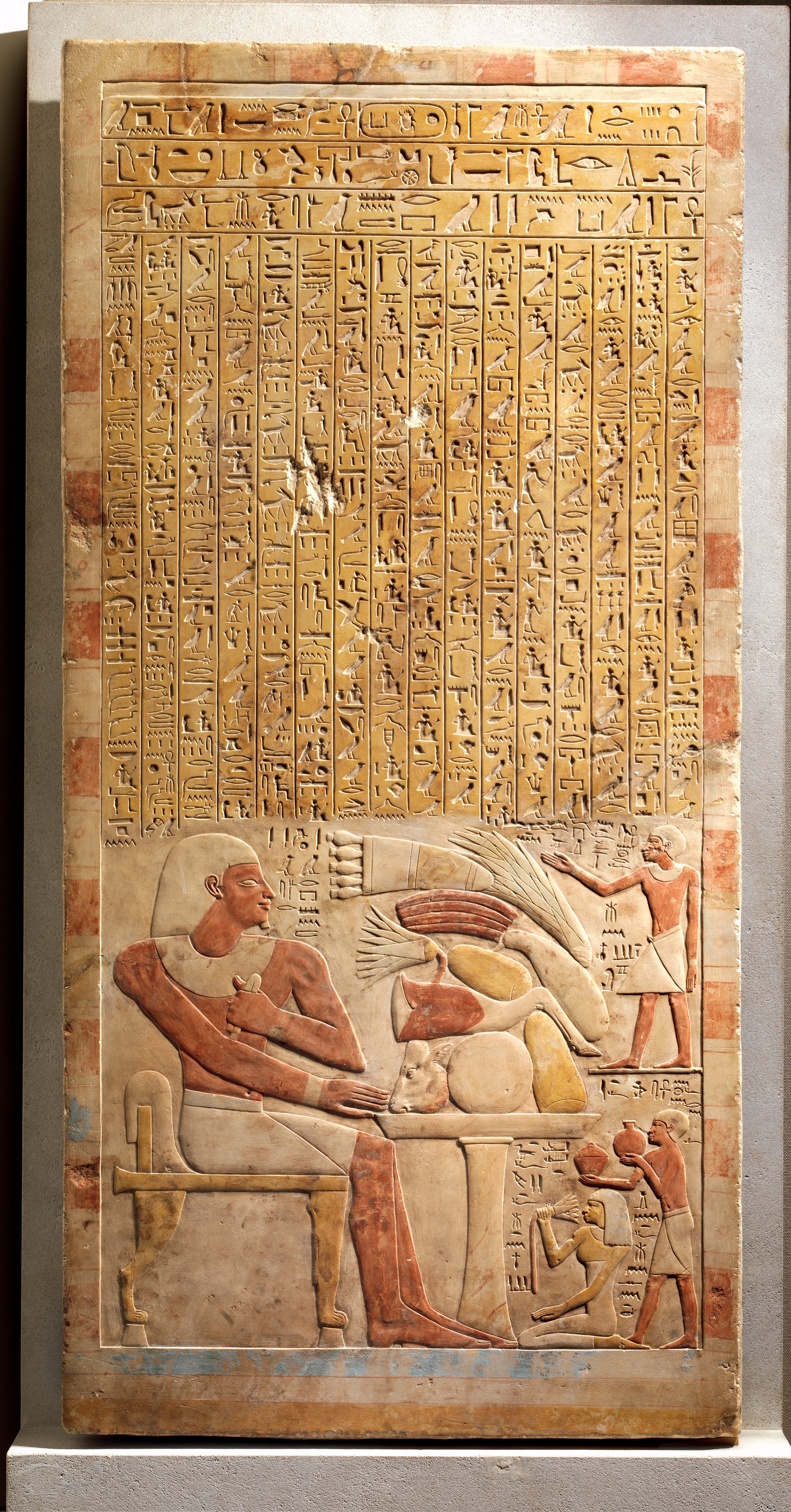
Coptic is a later form of Egyptian written in an adapted Greek-derived alphabet. Script change within Egyptian is therefore not language replacement. Later contact between Coptic and Arabic raises a different question: how Egyptian-speaking communities adopted Arabic and whether their first language influenced local Arabic varieties. Lucas and Lash argue from a corpus study that a particular Arabic negation development in Egypt may have been catalyzed by Coptic; this is a scholarly historical argument, not a settled conclusion that every feature of Egyptian Arabic comes from Coptic.
Source exercise: DCCLT describes Sumerian lexical lists copied and explained long after ordinary spoken Sumerian declined. Separate the language of the preserved tablet, the language used to explain it in teaching, and the unknown language practices of every pupil’s household. Which of these does the corpus directly document, and which would require additional evidence?
Modern-language examples on this page clarify a linguistic pattern. They do not establish unattested sounds or forms for an ancient language. Follow the cited sources below and keep editorial readings separate from the surviving trace.