Alternation in use
Code-switching is the use of more than one language or variety within a discourse. The switch may occur between turns, between sentences, or within a sentence. In living communities, its interpretation depends on speakers, audience, setting and interaction. An isolated word from another language is not automatically a switch: it may be an established recipient-language loan, a one-off insertion, a name, or a quotation. The Cambridge handbook explains that one-off borrowings blur structural tests, so classify the token with its context rather than by typography alone.
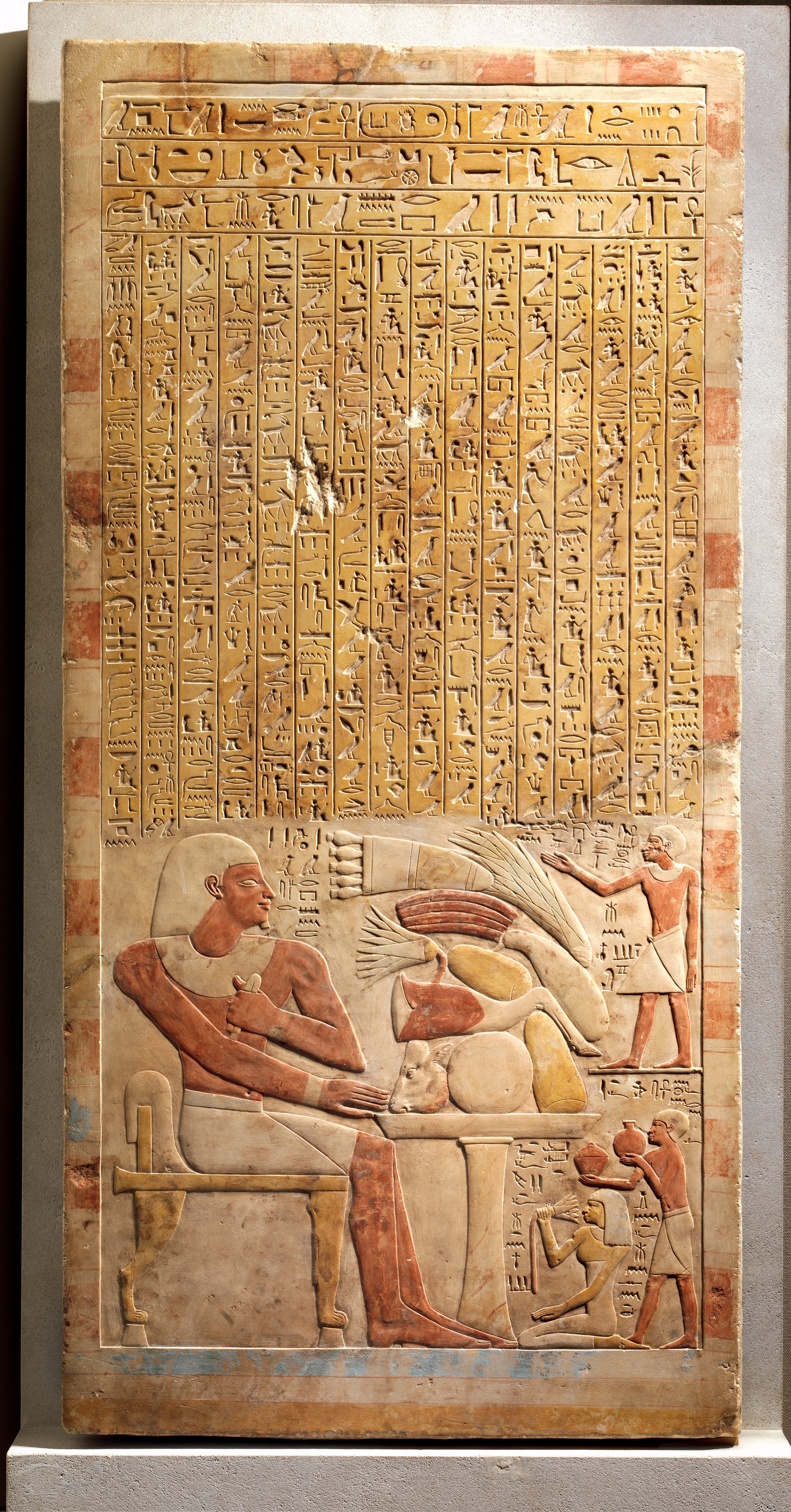
Ancient evidence seldom gives recorded conversation. A manuscript can show alternating written languages, but the scribe may be quoting, translating, training or composing for a specific audience. Do not import a theory built on conversational turn-taking into a stone inscription without explaining how the evidence differs.
Bilingual page structures
The Sumerian–Akkadian lexical tradition includes unilingual school lists, bilingual columns and interlinear translations at different dates. In a two-column list, each line can pair an item with a corresponding gloss; in a literary bilingual text, the second version may be inserted after a line. Neither layout means that a speaker naturally switched languages at every line. The page is a teaching or scholarly object.
The Florentine Codex offers another layout: Nahuatl text and Spanish translation within a collaborative sixteenth-century manuscript. Its production history matters when the two columns diverge. Read each version as a text with its own grammar and choices; do not force a word-for-word equivalence or collapse translator, informant and scribe into one speaker.
Corpus annotation
For a mixed witness, mark the smallest span that can be assigned confidently to a language, then store the script, editorial transliteration, language label and confidence separately. Personal names, titles and conventional logograms may resist simple labels. Note whether a language assignment is from the object, from an ancient rubric, or from a modern editor. A later copied manuscript may reproduce an old mixed passage without reflecting the copier’s everyday repertoire.
Source exercise: The languages of law describes Demotic contracts with Greek registration dockets and Greek legal documents with Egyptian-script subscriptions. Mark the textual layer and likely institutional function of each language span. Explain why those documented page structures cannot automatically be analyzed as a speaker switching languages within a spontaneous sentence.
Documentary layers
A contract may have a main text in one language and registration, witness statement or signature in another. The Cambridge Egyptian legal chapter describes precisely such combinations in Ptolemaic and Roman papyri. It also describes legal proceedings in which spoken testimony was interpreted into a Greek documentary record. These are not all instances of the same phenomenon. A Greek docket on a Demotic contract marks an administrative layer; an interpreter’s rendering of speech marks a communicative event; a Greek-origin noun in an Egyptian sentence would call for a lexical analysis.
Before tagging any span as “code-switching,” identify its authorial and physical boundaries. Was it written by the same hand? Added later? A direct quotation? A formula mandated by the office? A translation of a prior text? Only then ask whether its alternation resembles a bilingual speaker’s discourse choices. The document can be compelling evidence of a multilingual institution even when it cannot reveal spontaneous code choice.
Modern-language examples on this page clarify a linguistic pattern. They do not establish unattested sounds or forms for an ancient language. Follow the cited sources below and keep editorial readings separate from the surviving trace.