Compare questions first
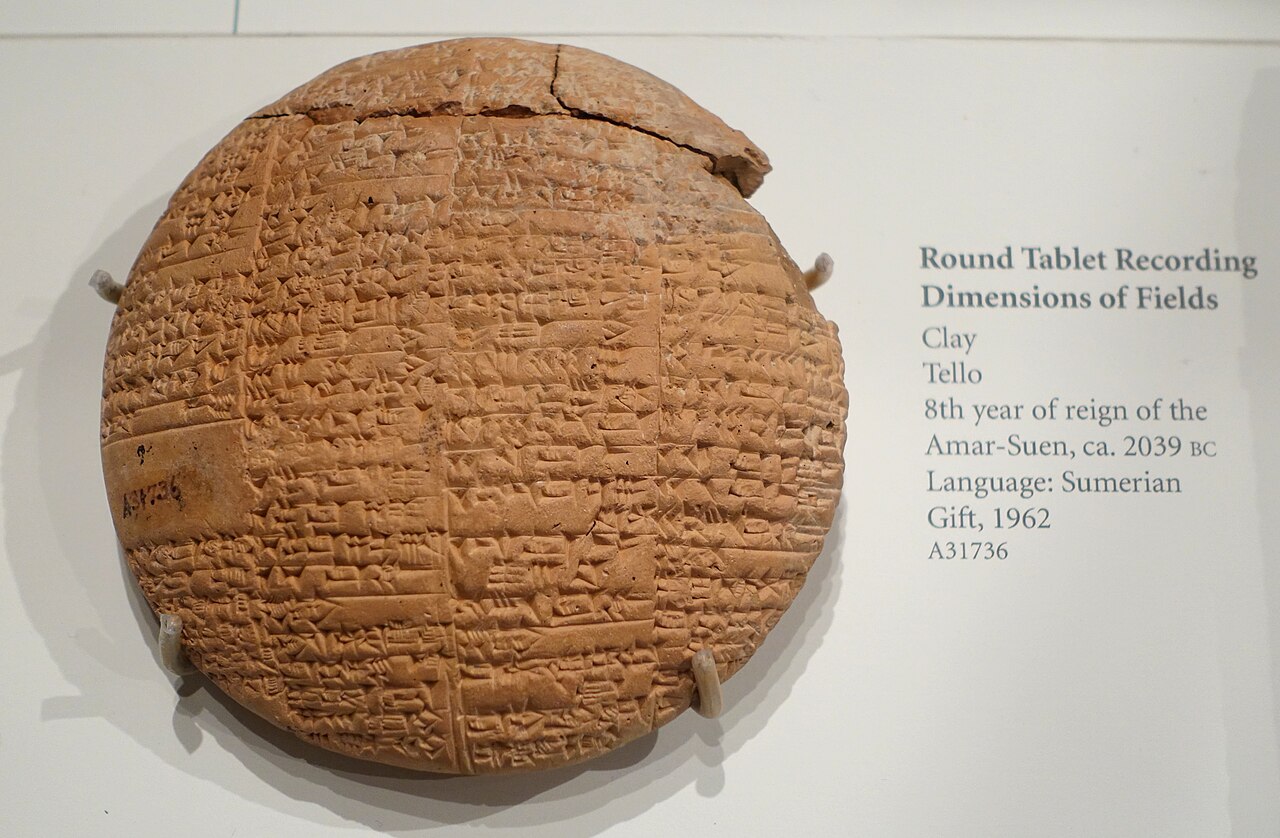
Pāṇinian rules ask how a licensed Sanskrit expression is derived. HS 1610 relates a Sumerian form to Akkadian renderings. Greek and Latin school grammars sort forms for reading and teaching. Arabic scholars explain relations in a valued corpus. Tiberian scholars transmitted and described a biblical reading. The Qièyùn organizes learned rhyming distinctions. These are all analyses of language, but they do not begin with one shared definition of “grammar.”
A comparison is strongest when its unit is explicit: one rule, one paradigm cell, one manuscript notation, one sign-list entry or one dictionary category. Whole civilizations are too broad as units. Avoid rankings about which tradition discovered a modern concept first; look instead at the particular claim and its dated evidence.
Translation as an argument
Two terms translated “case,” “voice,” “root” or “sound” may cover different domains. Write the original scripts and transliterations where available, then define each term from its author’s examples. Only then write the overlap: perhaps both classify inflectional forms, but one includes a category the other lacks. A difference in scope is not a deficiency.
Borrowing and contact also need evidence. Greek categories influenced Latin teaching; Arabic and Hebrew scholars worked in connected intellectual settings. Such links do not mean that all later analysis is an unaltered copy. A responsible history identifies a route, a date and a textual comparison, and leaves unresolved cases unresolved.
A final source-led study
Choose two traditions and one narrow question, such as how a vowel is specified or how a verb form is classified. For each, provide the original term, a precise passage or object line, its date and transmission, the scholar’s stated purpose, and one independent textual form that tests or illustrates the analysis. End with two sentences: one about genuine similarity and one about a consequential difference.
A good result is not necessarily a tidy equivalence. If one source is a school exercise and the other a theoretical rule system, that difference may be the most instructive finding. Preserve the original wording, the modern translation and your own comparison as three inspectable layers.
Modern-language examples on this page clarify a linguistic pattern. They do not establish unattested sounds or forms for an ancient language. Follow the cited sources below and keep editorial readings separate from the surviving trace.