The HS 1610 case
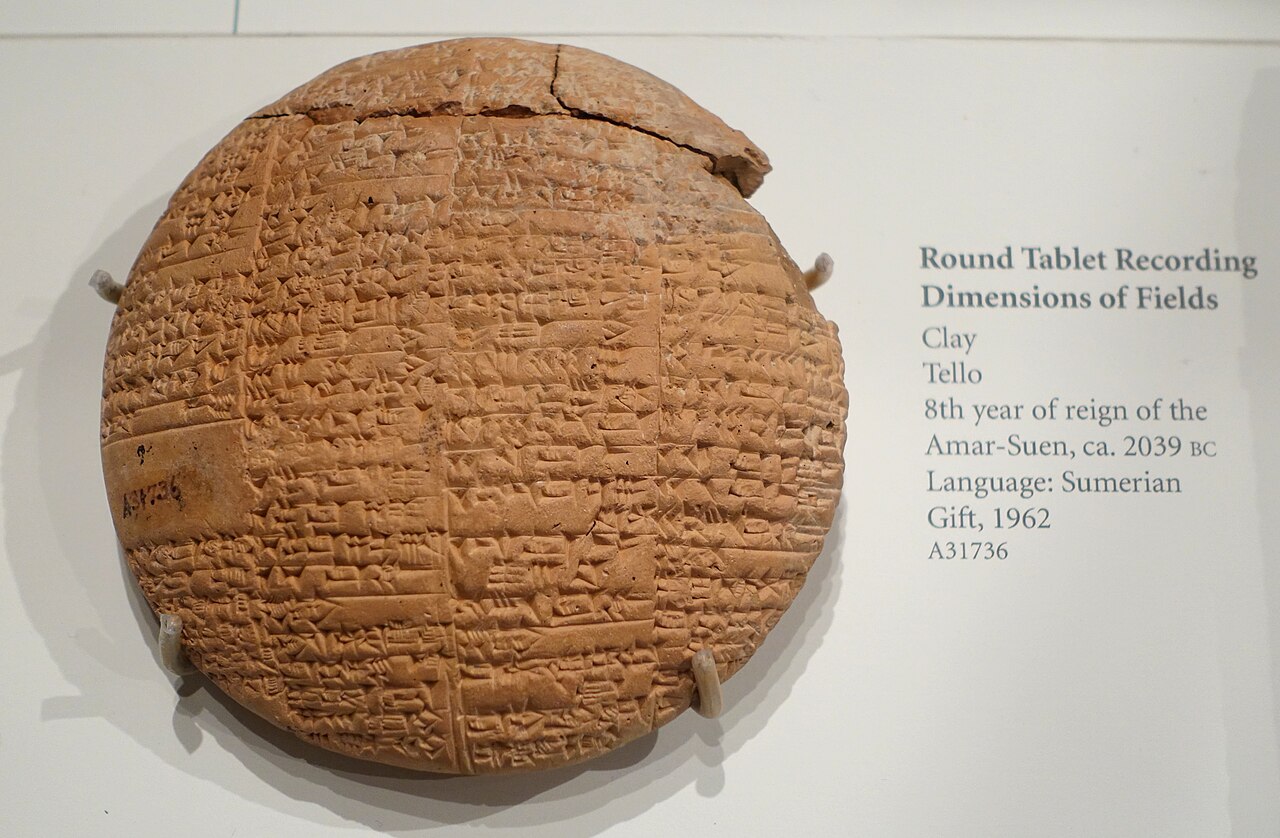
The Neo-Babylonian tablet HS 1610 is a grammatical list. DCCLT’s edition and commentary discuss obverse column ii, lines 24′–31′, where the list considers uses of Sumerian -ri-. The editor identifies -ri- in lines 24′–27′ as an allomorph of a second-person dative element, whose more usual form is -ra-. The line references matter: they let a reader return to the actual ancient arrangement.
The Akkadian equivalents are not one uniform English gloss. DCCLT explains that a second-person dative verbal suffix and an independent accusative pronoun can both render the Sumerian element in different circumstances. That is a bilingual analytical choice, not proof that Sumerian dative and Akkadian accusative are the same category.
Ancient analysis and modern analysis
The tablet’s arrangements and Akkadian expressions are ancient evidence. The labels “allomorph” and “second-person dative infix” in the modern commentary are analytical descriptions by the editor. Keep them in separate columns. DCCLT cautions that some Neo-Babylonian grammatical equations are speculative or hard to understand; disagreement with modern analysis should not make us discard the tablet as evidence of learned reasoning.
The tablet is later than much of the Sumerian material it helps interpret. A claim about Sumerian grammar requires dated Sumerian examples as well as the later grammatical list. The list tells us very securely that a Neo-Babylonian scholarly community attended to this element. It cannot alone establish how every earlier Sumerian speaker used it.
Practice
Make a three-column note for lines 24′–27′: ancient Sumerian item, ancient Akkadian equivalents, modern editor’s explanation. Under the table, write one sentence about what is directly attested and one about what is inferred. Then ask what earlier, dated Sumerian verbal forms would test the inference.
Modern-language examples on this page clarify a linguistic pattern. They do not establish unattested sounds or forms for an ancient language. Follow the cited sources below and keep editorial readings separate from the surviving trace.