The scholar and the language
A grammar records what a scholar chose to notice and teach. Its observations can be extraordinarily precise, but the work is still a historical document. Ask whose speech or writing it describes, which texts count as authoritative, and who was meant to use the analysis. A school tablet, a rule collection for learned Sanskrit, a guide to reading Scripture and a rhyme book serve different purposes.
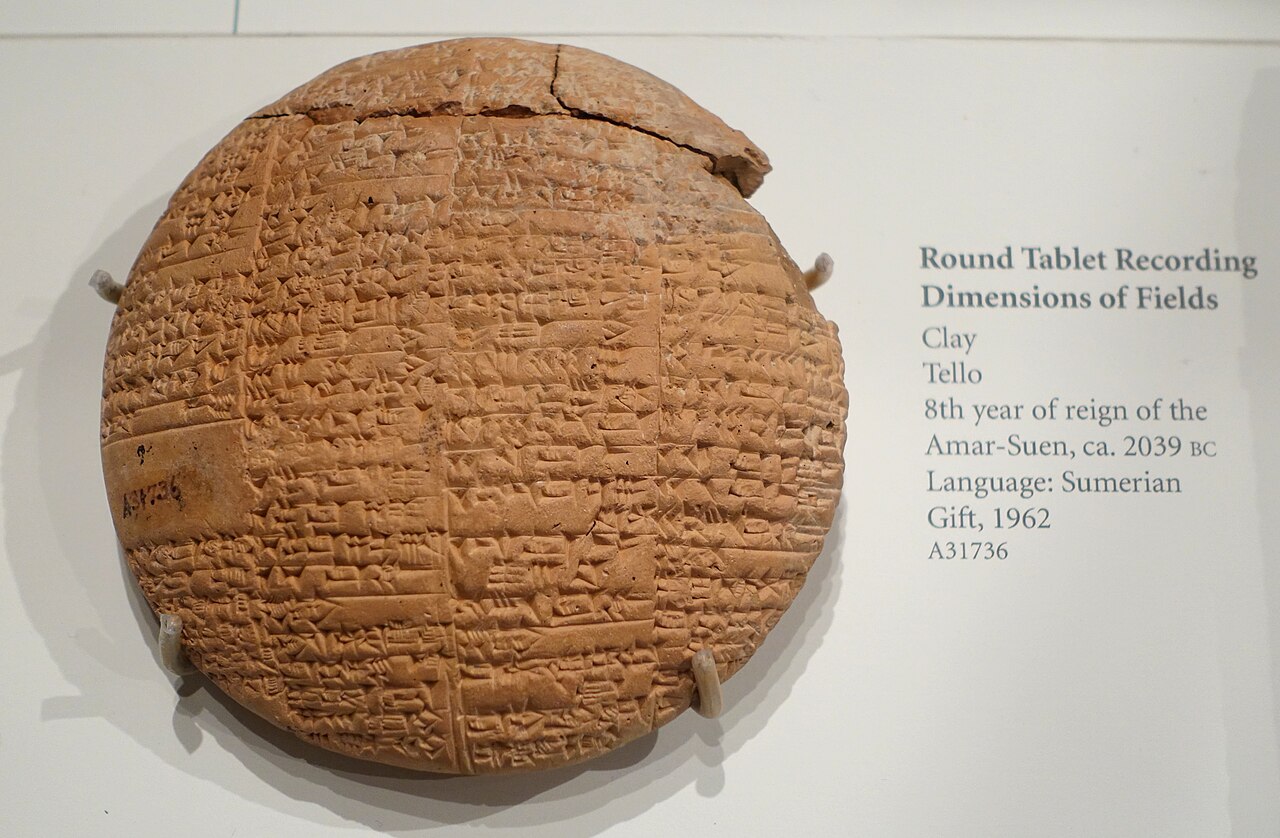
Keep at least four dates apart: the language variety being described, the composition of the grammatical work, the surviving copy, and the modern edition or translation. A medieval copy of an ancient rule is direct evidence for the medieval manuscript and indirect evidence for the earlier rule. A late sign list can preserve older learning without making every listed form a contemporaneous spoken word.
Technical terms travel badly
Write an original term beside a cautious English rendering. Sanskrit pratyāhāra is a compact notation for a sound group, not simply an ordinary word for “phoneme.” Arabic ʿāmil is often rendered “governor” or “operator”; the translation points to an explanatory relation, not to an English word class. Chinese fǎnqiè 反切 is a spelling procedure for indicating pronunciation, not an alphabet. The terms may overlap with modern concepts without being identical to them.
The tradition may also contain internal disagreement. Commentators can interpret a compact rule differently, and manuscripts can transmit different readings. Cite the rule, passage or tablet line and the edition that supplies it. A familiar English label should be the end of an explanation, never its substitute.
A source record
For each claim, note the original title and language, approximate date and reason for that date, manuscript or object identifier when available, exact locus, edition or translation, and the specific modern claim you draw from it. Mark whether a term is present in the source, supplied by a commentator, or chosen by a modern scholar.
Practice: take one traditional statement described in this course. Make two columns headed “source says” and “my comparison.” Put the original term and locus in the first; put any modern grammatical category and your reasons in the second. If the source itself cannot be checked, label the claim as mediated through the named scholarly study.
Modern-language examples on this page clarify a linguistic pattern. They do not establish unattested sounds or forms for an ancient language. Follow the cited sources below and keep editorial readings separate from the surviving trace.