Click consonants
A click consonant begins with two closures in the mouth. The tongue body seals the rear; the lips or front of the tongue make another closure. Lowering the tongue reduces pressure in the trapped pocket, and releasing the front closure draws air inward with an audible click. The five basic IPA click letters distinguish front places: [ʘ] bilabial, [ǀ] dental, [ǃ] (post)alveolar, [ǂ] palatoalveolar and [ǁ] lateral. A full language-specific click transcription often needs further marks for voicing, nasal accompaniment, aspiration or other releases. The five letters are therefore not a complete inventory of every click consonant in any one language.
Clicks can be ordinary contrastive consonants in words. WALS describes their presence in a group of southern and eastern African languages, including Zulu and Hadza, and distinguishes this phonemic use from non-lexical clicks such as English “tsk-tsk.” A 2023 phonetic study of Hadza speakers analyzes multiple click types and accompaniments using acoustic and aerodynamic recordings. It shows why a single IPA click letter is only the beginning of an analysis: the release and accompaniment matter too. Neither place nor complexity makes a sound inherently “exotic”; the question is how a particular language organizes it.
Whistled speech
Whistled speech is a way of transmitting a spoken language through a narrow-band whistle. It is not a sixth class of click consonants and is not generally a separate language with an unrelated grammar. Speakers map salient aspects of their language's ordinary speech into a whistle, and listeners recover words and sentences from that reduced signal and context. A review in the Annual Review of Linguistics surveys tonal and non-tonal language strategies: some whistled forms track pitch patterns, while others convey vowel-quality contrasts through whistle frequency. The mapping must be studied for each community; one universal “whistle alphabet” would erase important differences.
Silbo Gomero is a documented whistled form of Spanish on La Gomera. UNESCO records its community teaching and use as intangible cultural heritage. Its categories are adapted to Spanish; they should not be copied as the structure of whistled Turkish or an Oto-Manguean whistled variety. Whistled speech is best studied alongside the ordinary speech and social practices of its speakers, including who teaches it, where it is used and how it changes. The review reports traditions in multiple parts of the world, not one isolated curiosity.
How to compare them
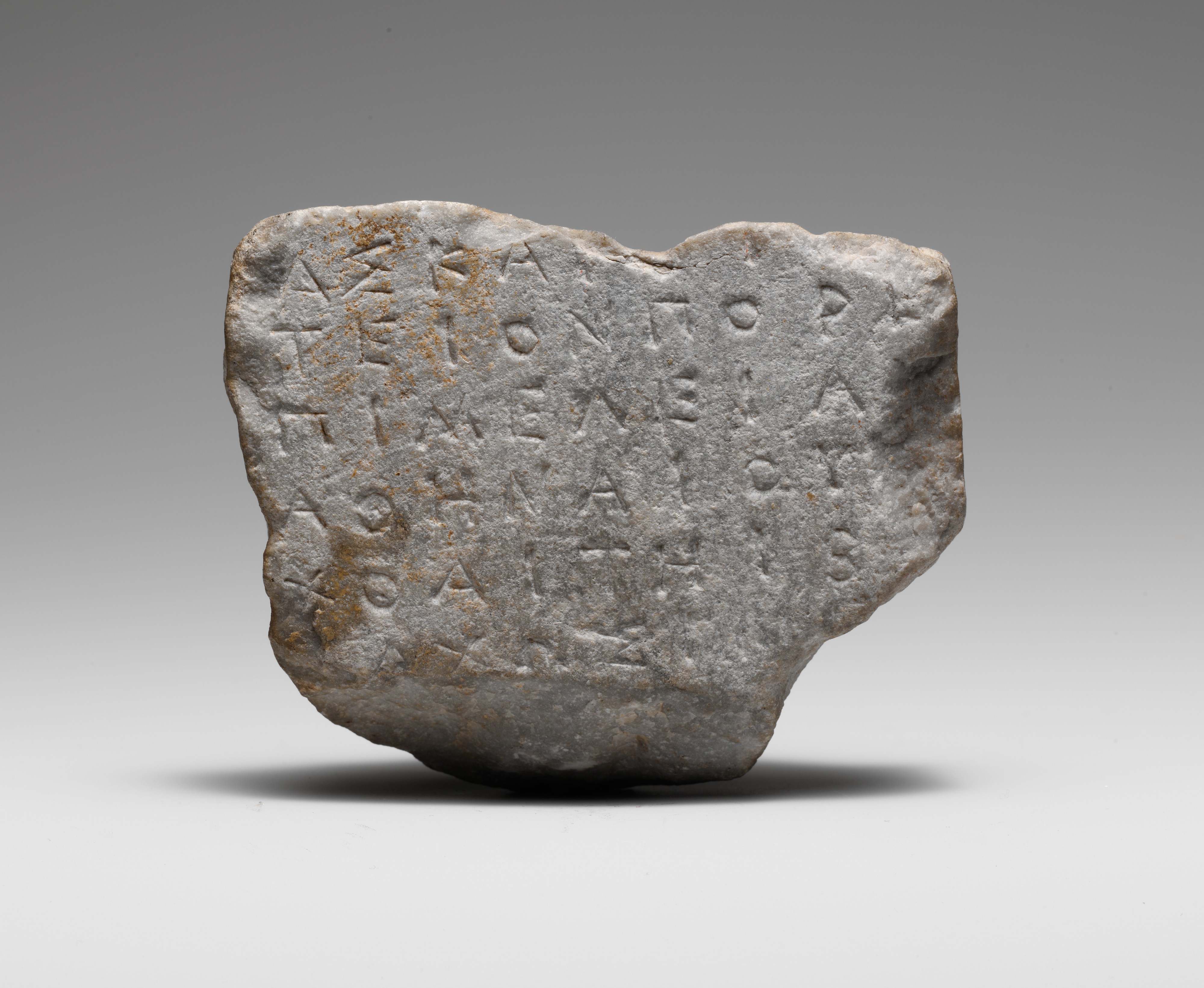
A click can occupy a consonant position in an ordinary word; whistling can carry an entire utterance in a different acoustic channel. The comparison is useful because both expose a common mistake: a symbol or striking sound alone does not tell you its linguistic function. Ask whether it contrasts lexical items, whether it is a conventional discourse signal, or whether it transposes a wider message. For ancient languages, no whistled mode should be asserted without evidence. A written sign that looks unusual does not prove a click, and no historical inscription supplies the acoustic record needed to identify a whistled tradition by itself.
Modern-language examples on this page clarify a linguistic pattern. They do not establish unattested sounds or forms for an ancient language. Follow the cited sources below and keep editorial readings separate from the surviving trace.