Processes in a language
Assimilation makes sounds more alike in a particular environment; a nasal may take the place of a following stop. Dissimilation reduces resemblance. Lenition is a cover term for changes toward weaker constriction in many analyses, while fortition goes in the opposite direction. Epenthesis adds a segment; deletion removes one. Metathesis changes ordering. These are descriptions of patterns, not universal directions or explanations by themselves.
A surface alternation must be separated from a historical change. If related forms alternate today depending on context, a synchronic rule may be useful. If older documents and later descendants show different outputs across time, historical sound change may be proposed. The same visible difference can have morphological, scribal or dialectal causes; use a dated series before choosing an account.
Harmony and neutralization
Vowel harmony is a dependency among vowels within a domain, often involving frontness, rounding or tongue-root position. A suffix may change its vowel to agree with a stem. Neutralization is the loss of a contrast in an environment, for example when two underlying categories share one surface realization. A spelling that writes the same sign for two sounds could reflect neutralization, but it could also be an underspecified script. Independent morphological or comparative evidence is needed.
For each proposed pattern, show the data in parallel rows, identify the environment, and list exceptions. Loanwords, compound boundaries, analogy and changes in writing habit can create apparent exceptions. A learner should be able to reproduce the inference without trusting a one-line rule.
The comparative method
Related languages can preserve regular correspondences that permit reconstruction of an ancestral system. Cognates must be established by sound correspondences and meaning, not by visual resemblance alone. Reconstructed forms conventionally carry an asterisk because no surviving witness directly attests them. A sound law predicts a pattern across many forms in specified environments; one familiar etymology is insufficient.
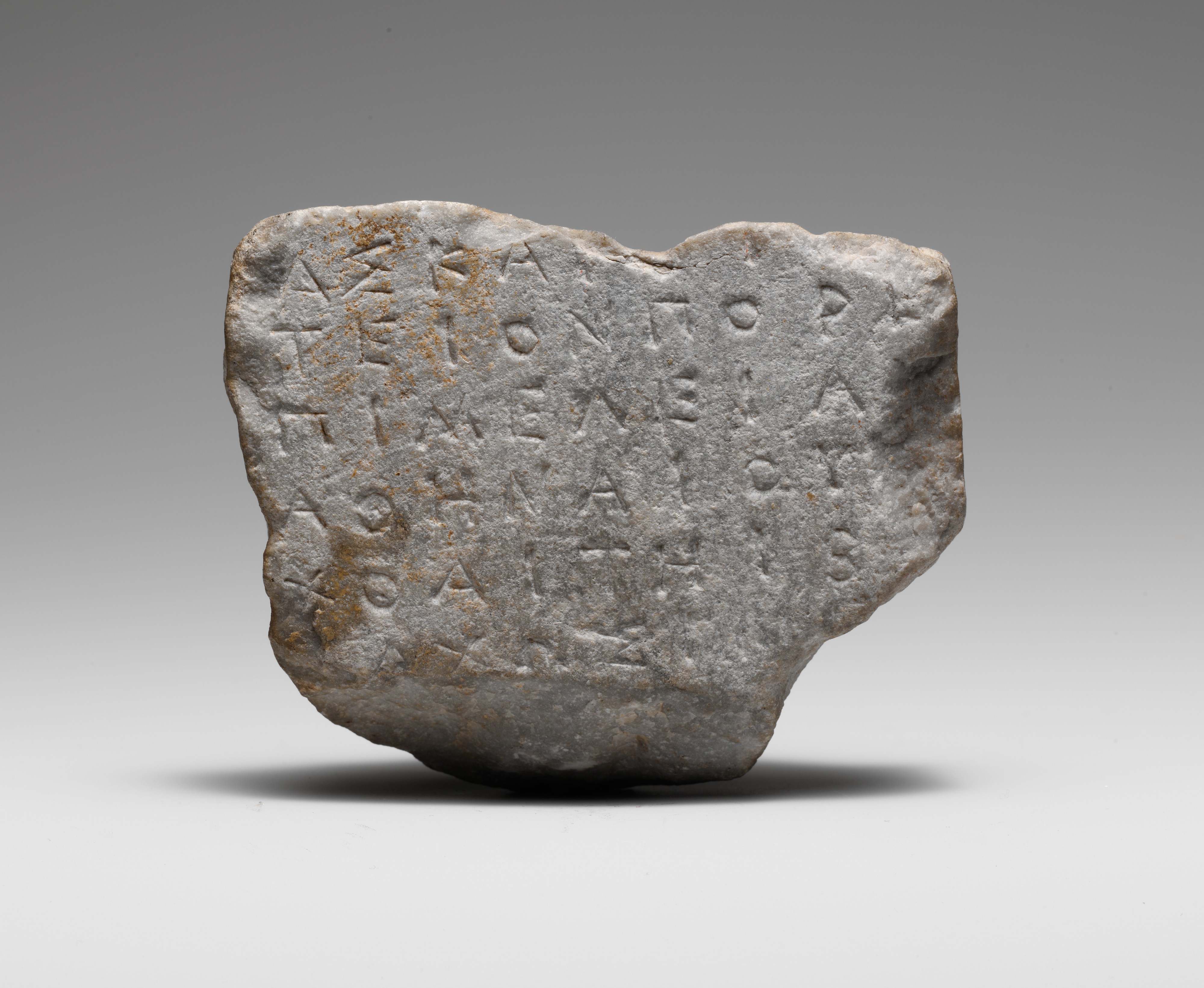
Ancient inscriptions add direct historical evidence, but they may still be centuries removed from a proto-language. A later copy, a borrowed spelling and a living descendant each answer a different question. The comparative method compares developments; internal reconstruction studies alternations within a language. Both yield argued hypotheses with boundaries of confidence, never an audio file from the past.
Modern-language examples on this page clarify a linguistic pattern. They do not establish unattested sounds or forms for an ancient language. Follow the cited sources below and keep editorial readings separate from the surviving trace.