The deictic centre
Deixis is the dependence of an expression on a speech situation. First-person forms identify a speaker, second-person forms an addressee, and place and time adverbs can be interpreted relative to that situation. Demonstratives can locate a referent relative to a deictic centre. In quotations or copied documents, identify which represented speaker’s point of view controls each expression rather than assuming the copyist’s.
A pronoun can also be anaphoric: it refers back to an entity already introduced in discourse. Deictic and anaphoric uses can interact. Do not resolve a damaged or ambiguous pronoun simply by attaching it to the closest preceding noun; agreement, semantic plausibility, quotation boundaries and discourse topic may matter.
Different demonstrative systems
WALS chapter 41 shows that demonstratives are not universally just English-style “this” versus “that”. Its Tongan examples distinguish near speaker, near hearer and away from both in pronominal forms, while the adnominal forms have a different division. Its Japanese comparison gives adnominal kono near the speaker, sono near the hearer and ano away from both. These are documented modern examples for learning the analytical questions, not evidence for ancient Tongan or Japanese.
Distance is only one possible dimension; WALS also discusses systems sensitive to visibility, elevation or direction. In a fragmentary ancient corpus, enough tokens may not survive to recover a full paradigm. Write what the attested contrast supports and distinguish it from a typological possibility.
Practice
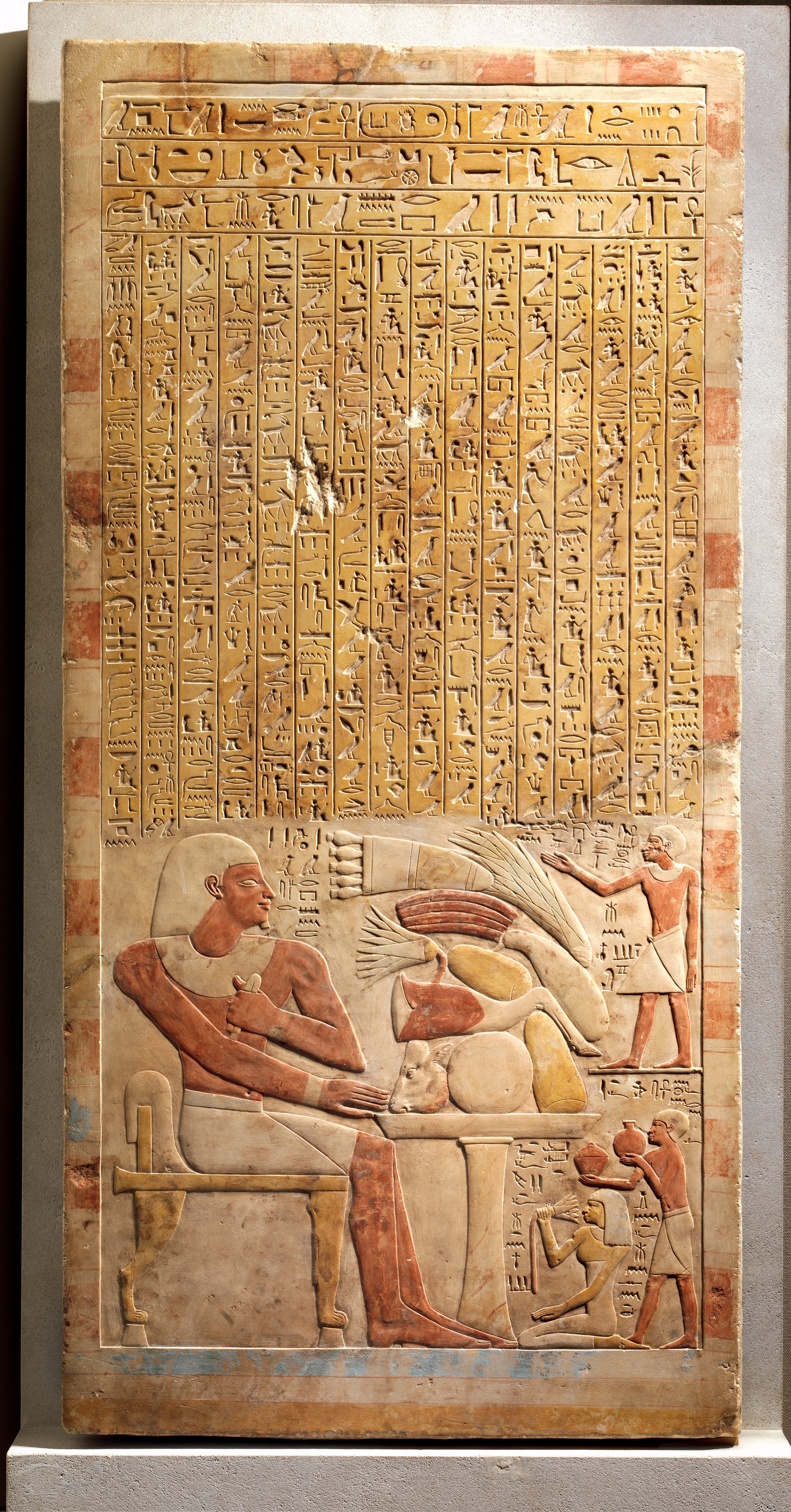
On a document image or edition, circle each demonstrative and first- or second-person form. For each, identify the likely speaker, addressee, location and antecedent. Draw a question mark where the document does not reveal one of these. Then test whether the translation has silently changed the deictic centre.
| Language | Near speaker | Near hearer | Away from both |
|---|---|---|---|
| Japanese adnominal | kono | sono | ano |
| Tongan pronominal | eni | ena | ia |
Modern-language examples on this page clarify a linguistic pattern. They do not establish unattested sounds or forms for an ancient language. Follow the cited sources below and keep editorial readings separate from the surviving trace.