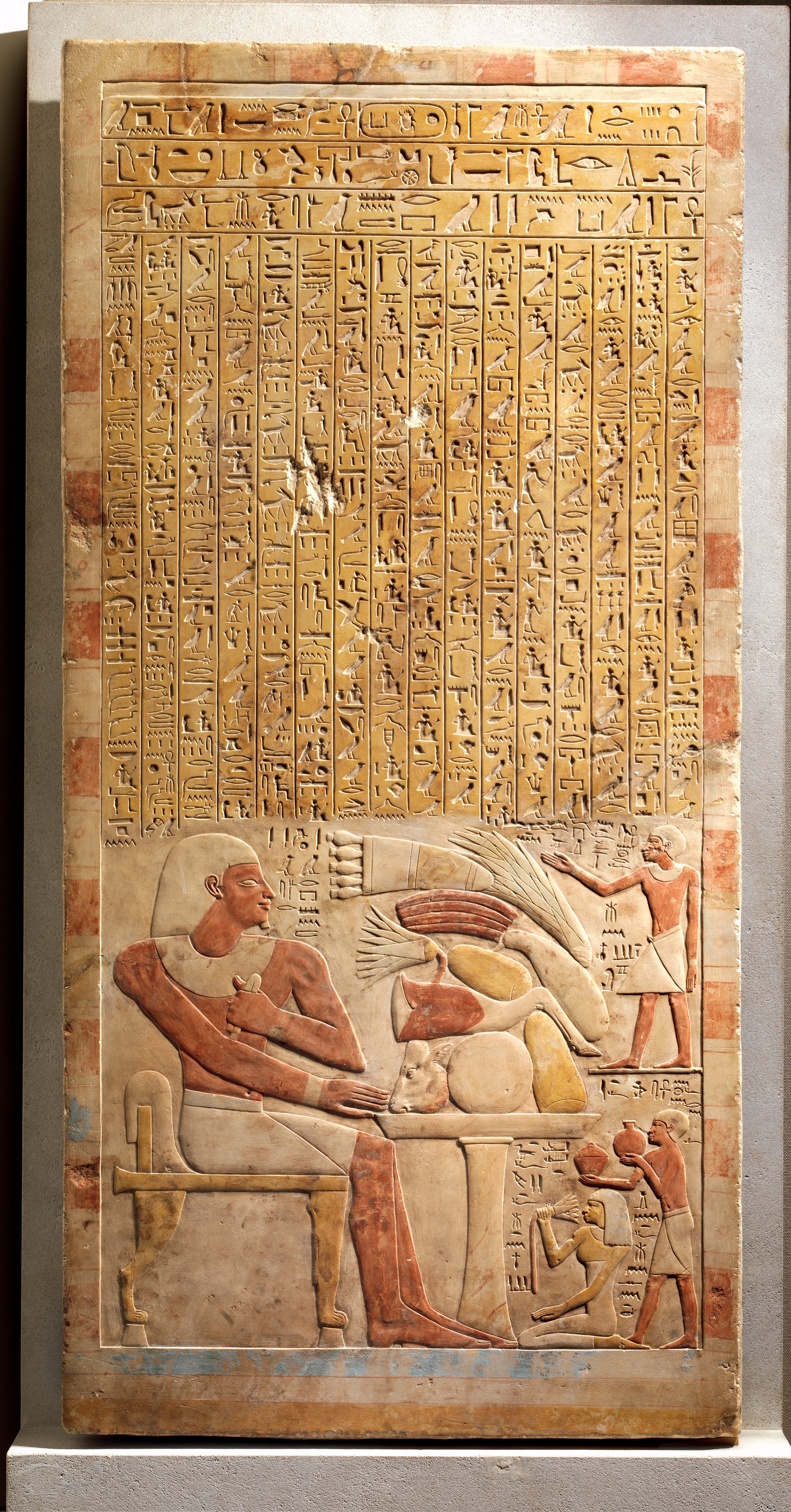
Translation is a series of choices
A translation chooses a lemma, a contextual sense, a syntactic analysis, a referent and an English expression. Those choices may be supported to different degrees. Present a readable sentence, but keep an annotation that links each choice to the source spelling and evidence. A word-for-word gloss and a literary translation answer different questions; neither alone records every interpretive step.
WALS chapter 38 shows that indefinite reference can be expressed by a distinct article, a numeral “one”, an affix, or no article. English “a” in a translation therefore does not prove an indefinite article appears in the source. Likewise, English tense, pronouns and prepositions may be required for a natural translation even when the source encodes the relevant information differently or leaves it unexpressed.
Levels of uncertainty
Keep uncertainty about a damaged sign distinct from uncertainty about word segmentation, lemma, grammatical parse, lexical sense, referent and pragmatic implication. A clear sign sequence can still admit more than one sense; a familiar dictionary gloss can be applied to a physically uncertain token. Mark the specific layer. When a translation supplies an omitted participant, restored word or contextual implication, label the supply rather than making it appear visible on the witness.
Two translations may differ because editors read different signs, because they divide the same signs into different words, or because they make different semantic choices. Compare them at the earliest point of divergence. Rechecking the photograph is relevant to the first dispute but not sufficient to decide the third.
Practice
Write a literal gloss, a readable translation and a short apparatus for one sourced sentence. Identify every English word that has no separate overt counterpart and explain why it is there. Give one alternate rendering for an ambiguous expression, and state what evidence would favor one.
Modern-language examples on this page clarify a linguistic pattern. They do not establish unattested sounds or forms for an ancient language. Follow the cited sources below and keep editorial readings separate from the surviving trace.