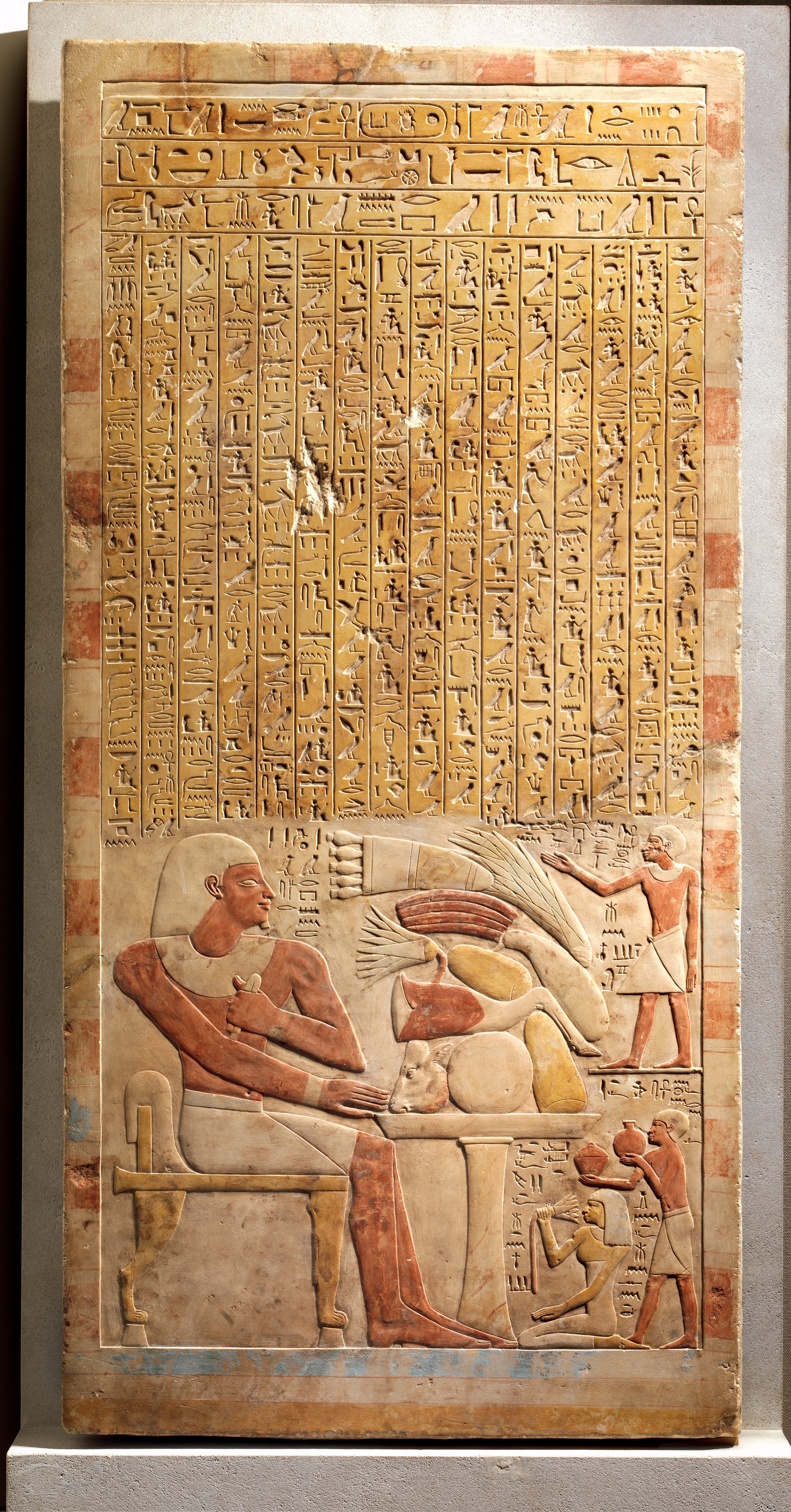
How information was obtained
Evidentiality marks the source of information: direct sensory evidence, inference or report are common analytical categories. Epistemic modality concerns a speaker’s degree of commitment to the proposition. The two can interact, but a reportative does not simply mean “probably” and an inferential does not simply mean “past”. WALS chapters 77 and 78 distinguish semantic types from ways of coding them, such as affixes, particles or tense-system forms.
WALS gives a Fasu form a-pe-re with a visual evidential surrounding the verb stem, glossed as the speaker seeing it coming. It also gives a Kannada quotative -ante attached to a negative verb in a reported statement. These modern examples show that the information-source meaning and the morphological position must each be described; they are not evidence for an ancient language’s system.
Possibility and necessity
“Can” can concern ability, permission or a possibility afforded by a situation; “may” can concern the speaker’s uncertainty about whether a proposition is true. WALS chapter 74 separates these situational and epistemic readings. When translating an ancient modal expression, identify whether the original construction makes a claim about a participant’s capacity, an authority’s permission, circumstances or truth likelihood. English auxiliaries often merge distinctions the source may keep apart.
Conversely, do not posit an obligatory evidential paradigm because a translation says “it is said”. The English wording may be an editor’s cautious paraphrase or may render a separate reporting clause. Verify the source morpheme and compare its uses before adding a chart cell.
Practice
For one attested passage translated with “apparently”, “must”, “can” or “it is said”, locate the source element responsible. Ask whether it is an affix, particle, verb, construction or translator’s inference; then distinguish source of information, possibility and certainty. Record the answer with a line citation.
Modern-language examples on this page clarify a linguistic pattern. They do not establish unattested sounds or forms for an ancient language. Follow the cited sources below and keep editorial readings separate from the surviving trace.