Change is a claim about distributions
A word may broaden, narrow, shift metaphorically, develop a specialized technical sense or change evaluative tone. Demonstrating such a change requires dated uses in comparable constructions and enough context to identify the sense. A dictionary’s later senses are not automatically available to an earlier author. Nor does the earliest surviving occurrence establish the moment a sense first arose; survival is uneven.
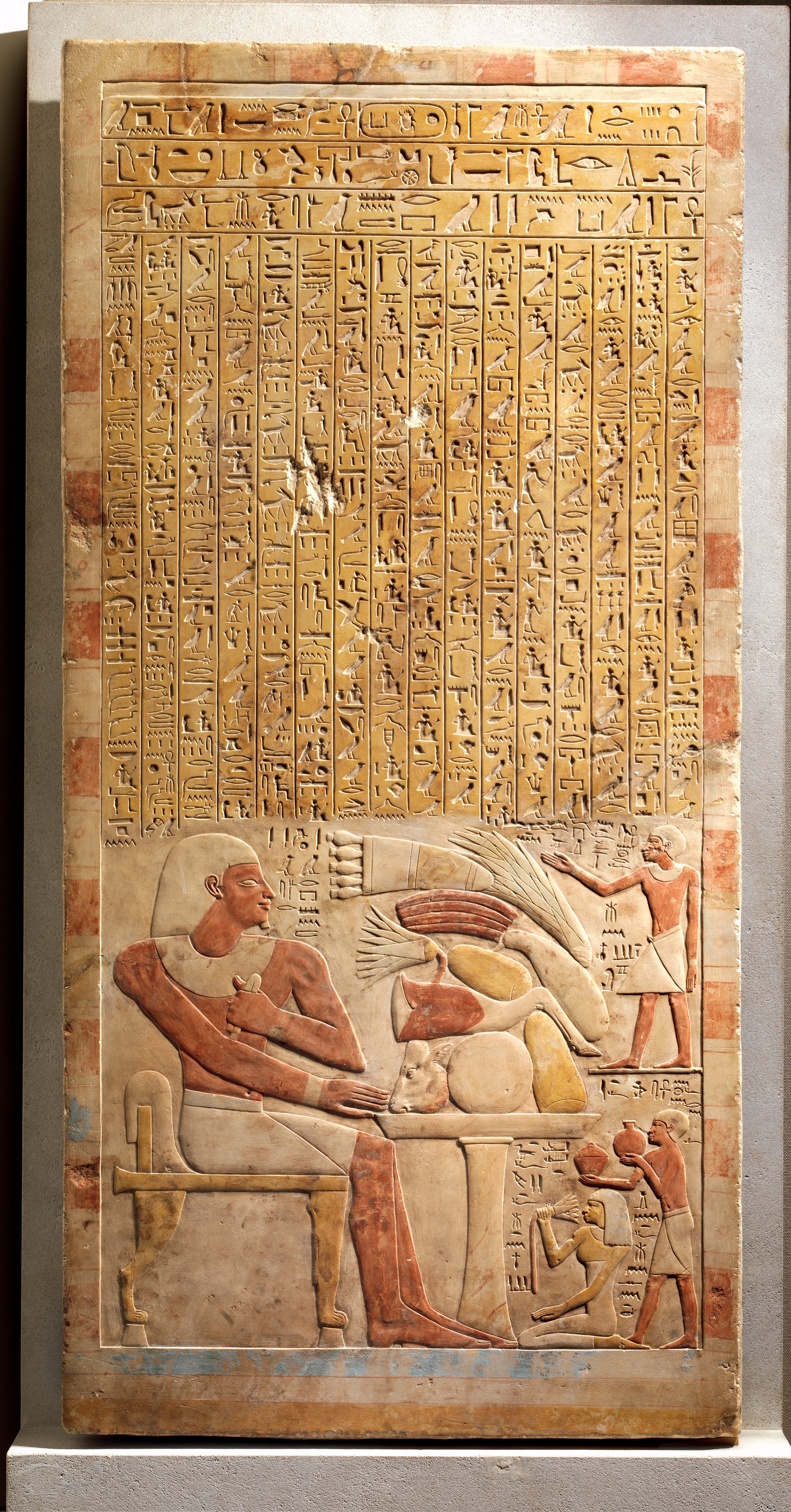
Separate three dates: the composition or event, the surviving copy, and the publication of the edition. An old composition preserved in a late manuscript does not become late language merely by being copied, but a scribe can alter it. A dated inscription may offer stronger chronological anchoring for its written form while giving fewer clues about everyday use.
A lexical history notebook
For every occurrence, record the original spelling, normalized lemma, object or witness, date range, syntactic construction, collocates, genre, editor’s translation and your own reading. Sort the occurrences by the date of the relevant linguistic layer, not solely by modern publication date. Seek counterexamples to any tidy trajectory. A sense that survives alongside a new sense has not simply been “replaced”.
LSJ’s dense λόγος entry shows why a familiar Greek form needs contextual sense work; Oracc glossaries likewise link lemma and contextual meanings. Neither resource is a chronological proof by itself. Check their cited passages and the dating of those passages before proposing a semantic development.
Practice
Select a lemma with several dated citations. Propose a possible sense relationship in one paragraph, then add an earlier or later counterexample and revise the claim. State what the corpus cannot establish. Avoid claiming an exact year for a shift from a handful of surviving texts.
Modern-language examples on this page clarify a linguistic pattern. They do not establish unattested sounds or forms for an ancient language. Follow the cited sources below and keep editorial readings separate from the surviving trace.