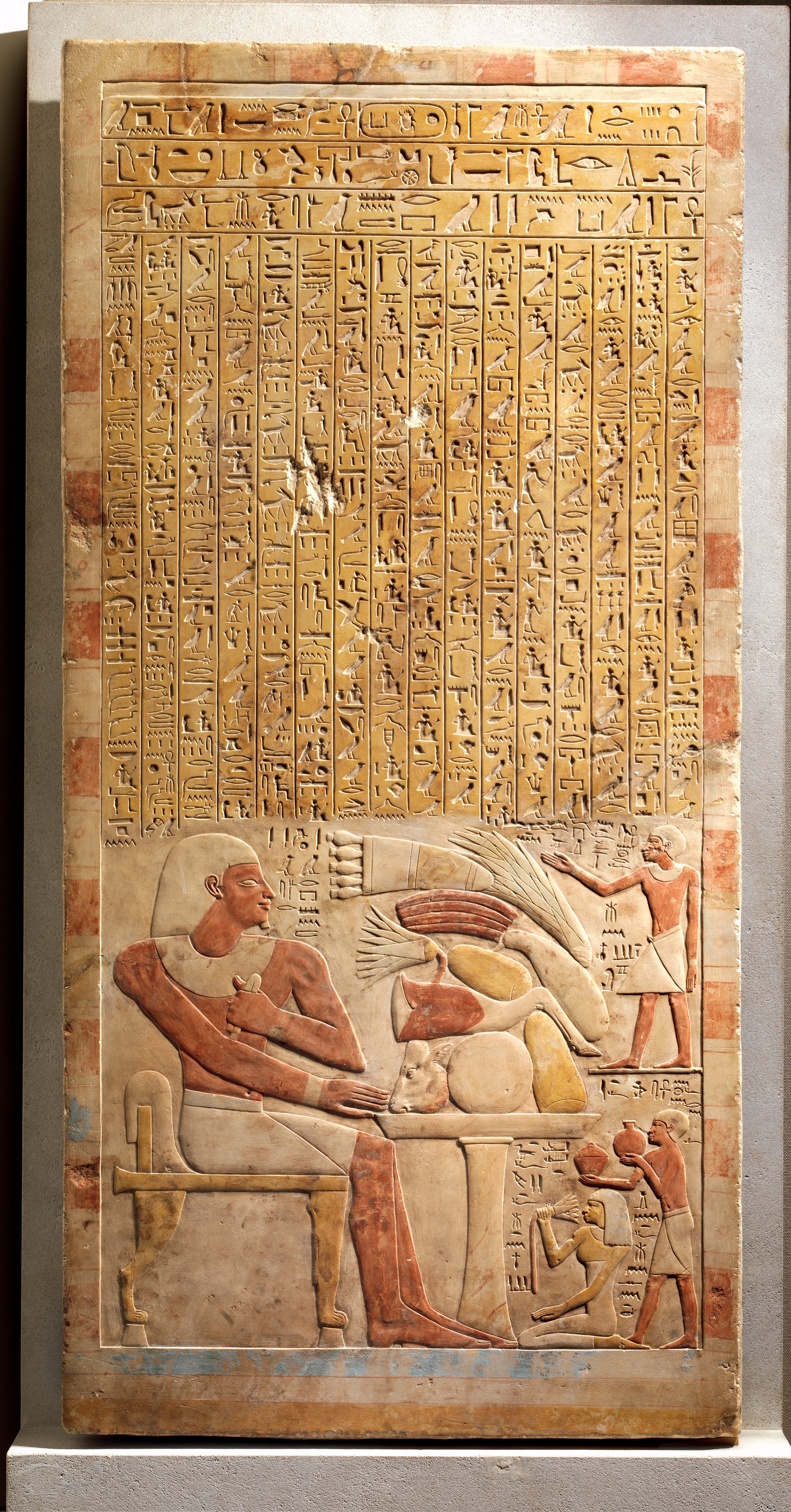
Utterances as actions
An utterance may assert, ask, command, promise, name, dedicate or perform another act in a conventional setting. Its locutionary content is what its words express; illocutionary force is the act being carried out; a perlocutionary effect is what it causes in an audience. These are analytical distinctions, not three separately written lines on an object. A sentence shaped as a question can sometimes function as a request, while an imperative can be part of a ritual formula rather than an ordinary conversation.
The force of a performative depends on social and institutional conditions. A royal order in an inscription has a different audience and authority from the same words in a classroom exercise. Conversely, a grammatical imperative alone does not prove an order was obeyed or that the speaker had authority.
Genre supplies conventions
Oracc describes Neo-Assyrian royal inscriptions as a genre that recorded and disseminated royal achievements and expressed royal ideology; the texts adopted formal conventions. This helps explain why repeated titulature, achievement claims and dedicatory language should be read as genre-bound acts. It does not license treating every line as a literal transcript of spontaneous speech.
Other genres have their own conditions: a petition asks an authority for action; an account records quantities for administration; a hymn addresses or praises a deity; a school text exercises a learned convention. Identify the object and edition first, then compare parallel examples of the same genre. A manuscript copy may preserve an earlier speech act as quoted text rather than perform it anew.
Practice
For a sourced passage, write three descriptions: the propositional content, the likely act within the text, and the role of the surviving object or copy. State which of the latter two is inferred from genre. Compare another passage from the same genre before treating a formula as a conventional speech act.
Modern-language examples on this page clarify a linguistic pattern. They do not establish unattested sounds or forms for an ancient language. Follow the cited sources below and keep editorial readings separate from the surviving trace.