One grammar at a time
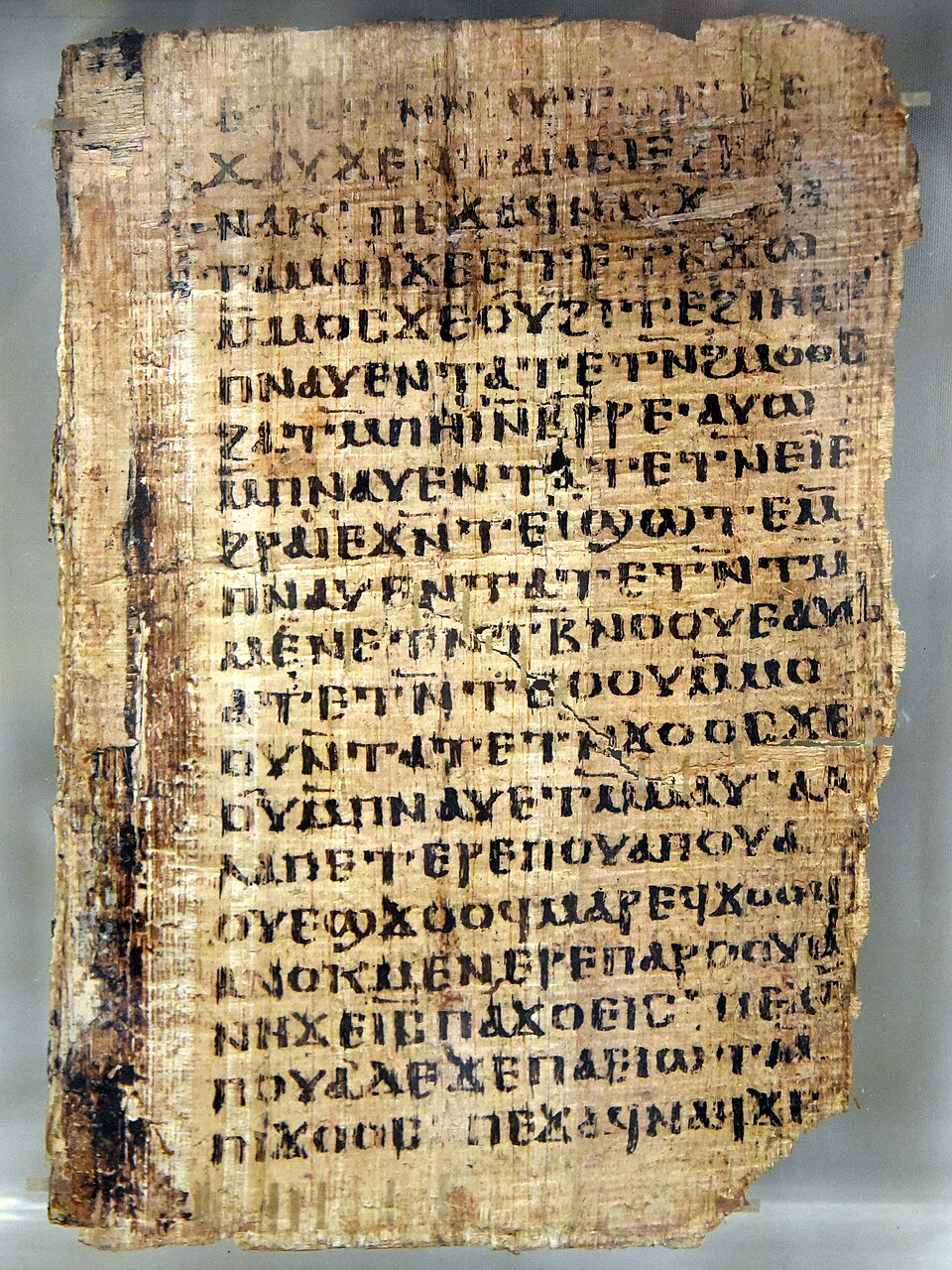
A synchronic grammar describes patterns in a defined speech community, time and register. Historical grammar asks how those patterns developed. A word order common in a later manuscript need not have been common when an earlier poem was composed. A copied text can preserve old forms or introduce later ones. Keep the dates of composition, surviving witness and modern edition distinct; they may be centuries apart.
A paradigm assembled from inscriptions in several regions may be useful for comparison, but it is not automatically the actual paradigm used by any one scribe. Likewise, a treebank can reveal patterns in its annotated corpus while leaving other genres underrepresented. State the sampling domain.
Paths of change
Grammaticalization is the development of grammatical functions from earlier lexical or constructional material. A verb meaning “go” may become part of a future construction in some languages; a demonstrative may develop article-like uses; a noun or verb can become an adposition. These are possible pathways, not claims about any particular ancient form. To argue a real history, assemble dated attestations, show intermediate uses, consider contact and analogical change, and test whether the proposed direction fits the evidence.
A shift in frequency also matters. A construction can exist long before it becomes dominant. WALS order labels represent a cross-language sampling decision, not a timeline for one language. Counting historical clauses requires stable inclusion rules for genre, clause type, formulae and damaged examples. Report the denominator as well as the numerator.
What editions and parsers decide
A digital corpus may annotate lemma, morphology, dependency and punctuation. The Ancient Greek and Latin Dependency Treebanks explicitly turn syntactic and morphological interpretation into word-level data. This makes patterns searchable, but the annotation is an editorial interpretation. Examine the underlying text and guidelines before treating a query result as direct ancient testimony. If a line is restored or a token has multiple possible analyses, a single database label can hide that uncertainty.
When two grammars disagree, identify their different corpora, dates, terms and analyses before choosing. A nineteenth-century rule can be useful and still reflect the editions then available; a modern corpus analysis can be large and still have uneven coverage.
A source-aware syntax record
For a grammatical claim, keep the attested form, object or edition identifier, exact line, date, translation, the analysis being proposed, alternative analyses and the grammar or corpus consulted. Quote only the short form needed. This record lets another reader find the same evidence and distinguish the source from your teaching explanation.
Confidence should follow evidence. A repeated construction in secure readings supports a stronger statement than a pattern inferred from one heavily restored line. “Not attested in this corpus” is not “impossible in the language.”
Practice
Choose a construction described by two reference works from different dates. List their corpora and definitions. Find three securely dated examples, classify them under each definition, and explain whether the disagreement is about evidence, terminology or genuine variation. Do not force a single answer if the sources do not decide.
Modern-language examples on this page clarify a linguistic pattern. They do not establish unattested sounds or forms for an ancient language. Follow the cited sources below and keep editorial readings separate from the surviving trace.