The first pass
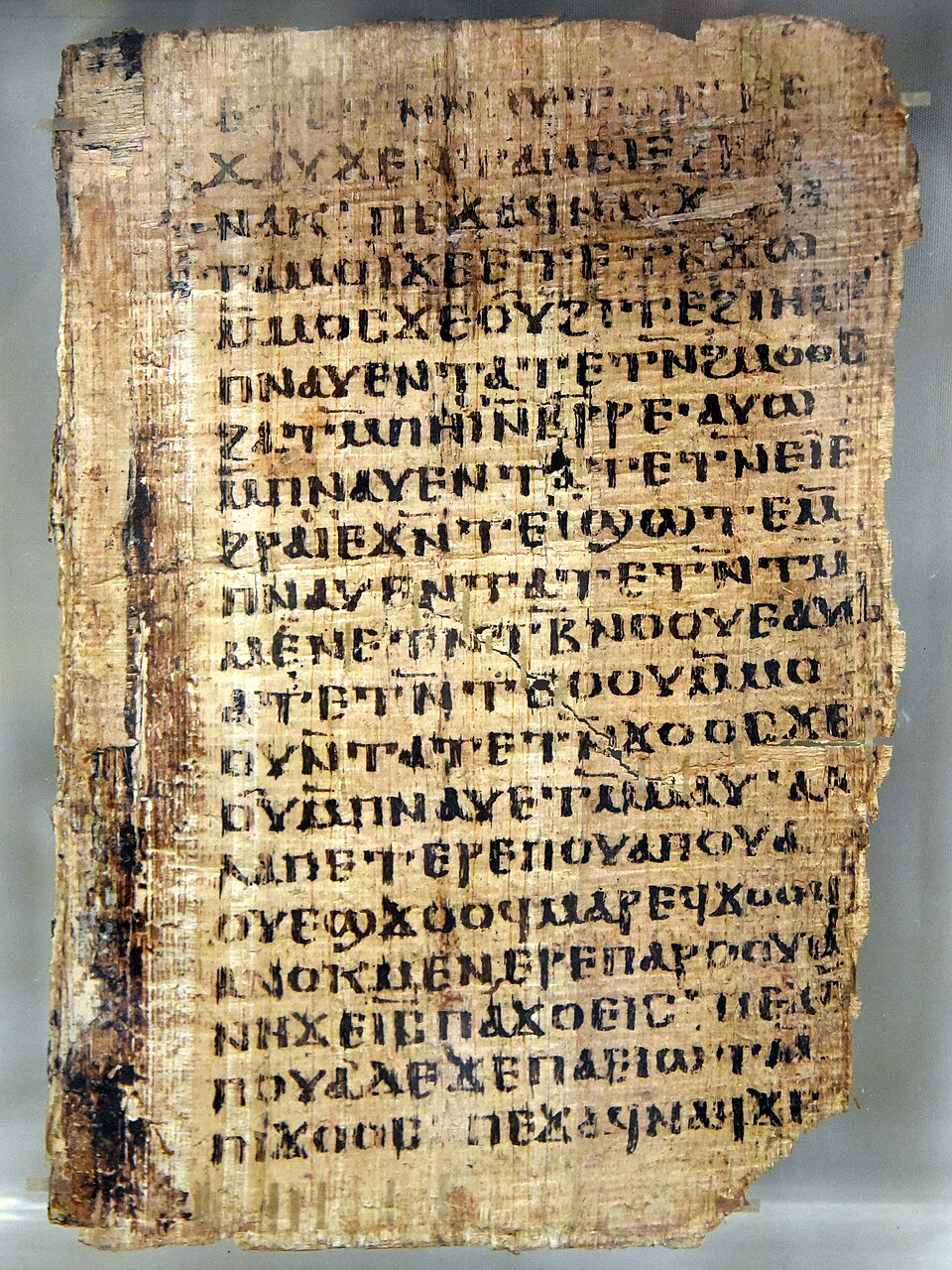
Choose a short passage with a documented witness and a trustworthy edition. Copy the source form exactly, including damaged or restored letters and editorial punctuation. Record the object or manuscript identifier, line numbers, date, edition and source image when available. Read through once for broad structure without deciding every word. Mark possible clause boundaries, finite verbs, connectives and quoted speech. Keep a separate column for uncertainties in the visible text.
A dictionary gloss is not yet a clause analysis. Revisit each word with the grammar’s paradigms and note candidate parses before selecting one. If two analyses are homographic, preserve the ambiguity until the syntactic evidence is examined.
Build the syntax
For each clause, identify the predicate and its arguments. Label semantic roles separately from grammatical functions. Group noun phrases and determine what modifies what. Trace agreement to its controller and case to its syntactic environment. Connect dependent clauses to their hosts; then mark coordination and shared or omitted elements. If a treebank is available, compare its annotation after you have made your own proposal and note where its scheme may choose a convenient representation rather than a unique historical fact.
In the Latin teaching example Nōn arbitror tē ita sentīre, the main predicate is arbitror and the embedded predicate is sentīre; the accusative tē belongs within the indirect statement. In Caesar, acceptīs litterīs, nūntium mittit, the ablative phrase provides a circumstance of the main event. These short forms come from Dickinson’s editions of Allen and Greenough and point to cited classical passages. They are examples to inspect, not templates into which every ancient language must be forced.
Read the discourse
Ask who speaks, what has already been mentioned, which noun phrase is under discussion, and what the clause adds. A particle or changed order may organize the relation between sentences. In Greek, a μέν-clause can set up a later δέ-clause; Smyth records that the second member may also remain implicit. Do not decide the force of such a particle from the isolated line alone. Review the preceding and following text, including any parallel version or variant reading.
Make a translation only after the structure is explicit. A natural translation may supply articles, pronouns or conjunctions that the source does not overtly contain. Note those additions in a commentary, not in the diplomatic transcription.
Publishable analysis
Present the witness reference, transcription, proposed segmentation, morphological parse, clause structure, translation and source notes as distinct layers. Cite the precise reference grammar section for a construction and the corpus location for the form. If a restoration controls the parse, say so near the claim. Give a reason for rejecting at least one plausible alternative, or explain why the alternatives remain open.
The result should let another learner change a lexical sense or syntactic attachment without losing the original reading. That reversibility is the practical standard of source-aware grammar.
Practice
Use a two- or three-sentence passage. Produce a clause diagram, a list of heads and dependents, a table of ambiguous forms, and a translation with a brief note on each supplied English word. Compare against one independently published analysis. Revise only the layer that the new evidence actually affects.
Modern-language examples on this page clarify a linguistic pattern. They do not establish unattested sounds or forms for an ancient language. Follow the cited sources below and keep editorial readings separate from the surviving trace.