Three comparison positions
Typologists use S for the sole argument of a simple intransitive clause, A for the more agent-like argument of a transitive clause, and P for the more patient-like transitive argument. Compare how a language marks those three positions rather than assuming its nouns have the same “subject” and “object” forms as English. This notation is a comparison device; it does not claim that every verb has a simple agent and patient or that grammatical relations disappear.
In nominative–accusative case alignment, S and A are treated alike while P is marked differently. In ergative–absolutive alignment, S and P are treated alike while A is distinguished. A neutral case pattern marks all three alike; a tripartite pattern distinguishes all three. WALS also describes active–inactive patterns, where different kinds of intransitive argument can pattern differently. These labels apply to a specific coding domain. A language can have one alignment in case and another in verbal agreement.
A worked case comparison
WALS cites Latvian putn-s lidoja “the bird was flying” and bērn-s zīmē sun-i “the child is drawing a dog.” The -s form appears on the sole intransitive argument and the transitive actor, whereas -i marks the patient noun in the second example. This is a modern Indo-European comparison, not a reconstructed ancient paradigm. It demonstrates what evidence an alignment claim needs: at least an intransitive and a transitive construction, and comparable noun phrases.
Case endings are not the only cue. WALS treats person marking on verbs separately: Tawala kedewa kamkam i-uni-hi “a dog killed the chickens” marks the transitive actor and patient on the verb. A line-by-line parse should therefore inspect case, agreement, adpositions, voice and context independently. If they appear to conflict, ask whether the clause is passive, whether the noun phrase is topicalized, or whether the agreement references a different argument.
Splits and restrictions
A language need not have one alignment across all forms. Pronouns can pattern differently from full nouns; case marking can depend on animacy or definiteness; a verbal construction can change with tense or aspect. WALS notes differential object marking in Spanish, where a specific human object may take a while an inanimate object need not. That modern example teaches a diagnostic: a missing object marker in one line does not by itself make the language “uncased.” Check the distribution before generalizing.
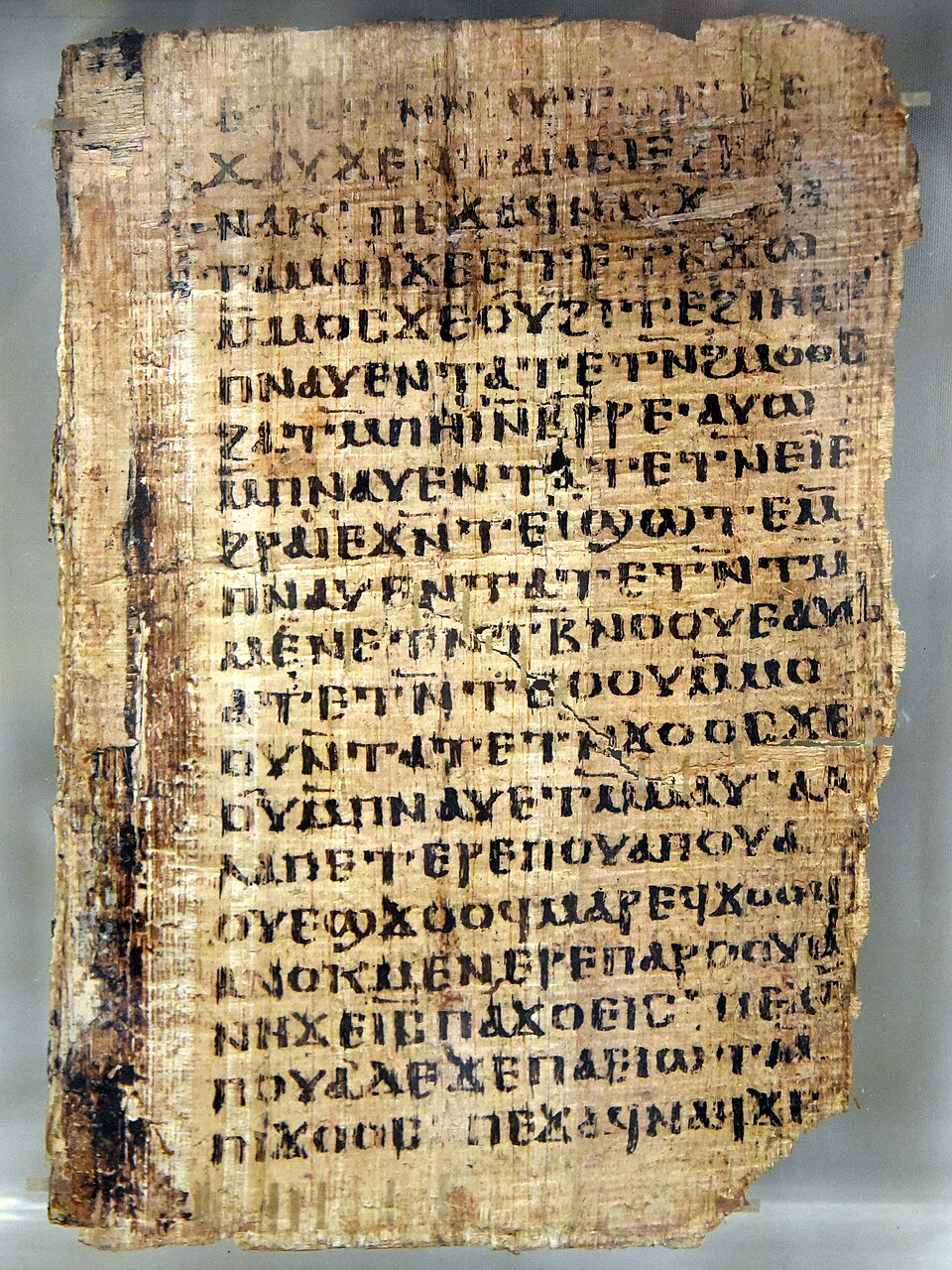
For an ancient corpus, evidence may consist of a small number of texts, many formulaic. State exactly which forms and periods support an alignment analysis. Avoid using a typological map category to fill in unattested constructions.
Practice
Collect three clauses from one language and period: a one-argument predicate, a two-argument predicate with two full nouns, and a two-argument predicate with a pronoun. Label S, A and P by the situation described, then write the case and verbal marking actually present. Determine whether case and agreement show the same pattern. If the corpus lacks one required configuration, say so.
Modern-language examples on this page clarify a linguistic pattern. They do not establish unattested sounds or forms for an ancient language. Follow the cited sources below and keep editorial readings separate from the surviving trace.