Heads and dependents
A phrase has an internal organization. In a noun phrase, a noun or pronoun often serves as head while an adjective, demonstrative, numeral, genitive or relative clause contributes information about it. A verb phrase centers on a predicate and may contain arguments, auxiliaries and modifiers. “Head” is an analytical relation: different syntactic theories choose different representations for some constructions, and no line on a tree is a physical mark in the manuscript. The useful question is which word or phrase controls the larger unit’s distribution.
A dependency analysis connects individual words by labeled relations, while a constituency analysis groups words into nested phrases. Universal Dependencies supplies a consistent annotation scheme and openly documented relation labels, including nominal subject, object, oblique, adverbial modifier, relative-clause modifier and coordination. Its labels help compare annotated corpora, but an editor’s tree remains an analysis that can be revised.
Finding a constituent
A constituent is a unit that behaves together in a construction. In living languages, substitution, movement and prosody can test constituency. For an ancient language, the surviving corpus restricts those tests: one cannot ask a native speaker whether a proposed rearrangement sounds natural. Look instead for repeated construction patterns, agreement domains, coordinated phrases, clitic placement and the behavior of the same words in comparable passages. Poetry and formulaic inscriptions require special care because metrical or layout pressures can change order.
Do not infer a universal “adjective phrase” from an English translation. Ask whether the historical language marks adjective agreement, treats the word as a relative verb, or uses a genitive or appositional phrase. First describe what the text shows; then use cross-language terminology with an explicit definition.
Modification and scope
A modifier can attach to more than one possible head. In a source text, establish its attachment through case endings, agreement, order, parallel passages and context rather than through an English translation alone. Universal Dependencies distinguishes nominal modifiers, adjectival modifiers, adverbial modifiers and oblique nominals in its documented annotation scheme; those categories are hypotheses to test against the form on the page, not a license to infer an unmarked relation. The same discipline applies to negatives and quantifiers: decide what they take scope over rather than translating by proximity alone.
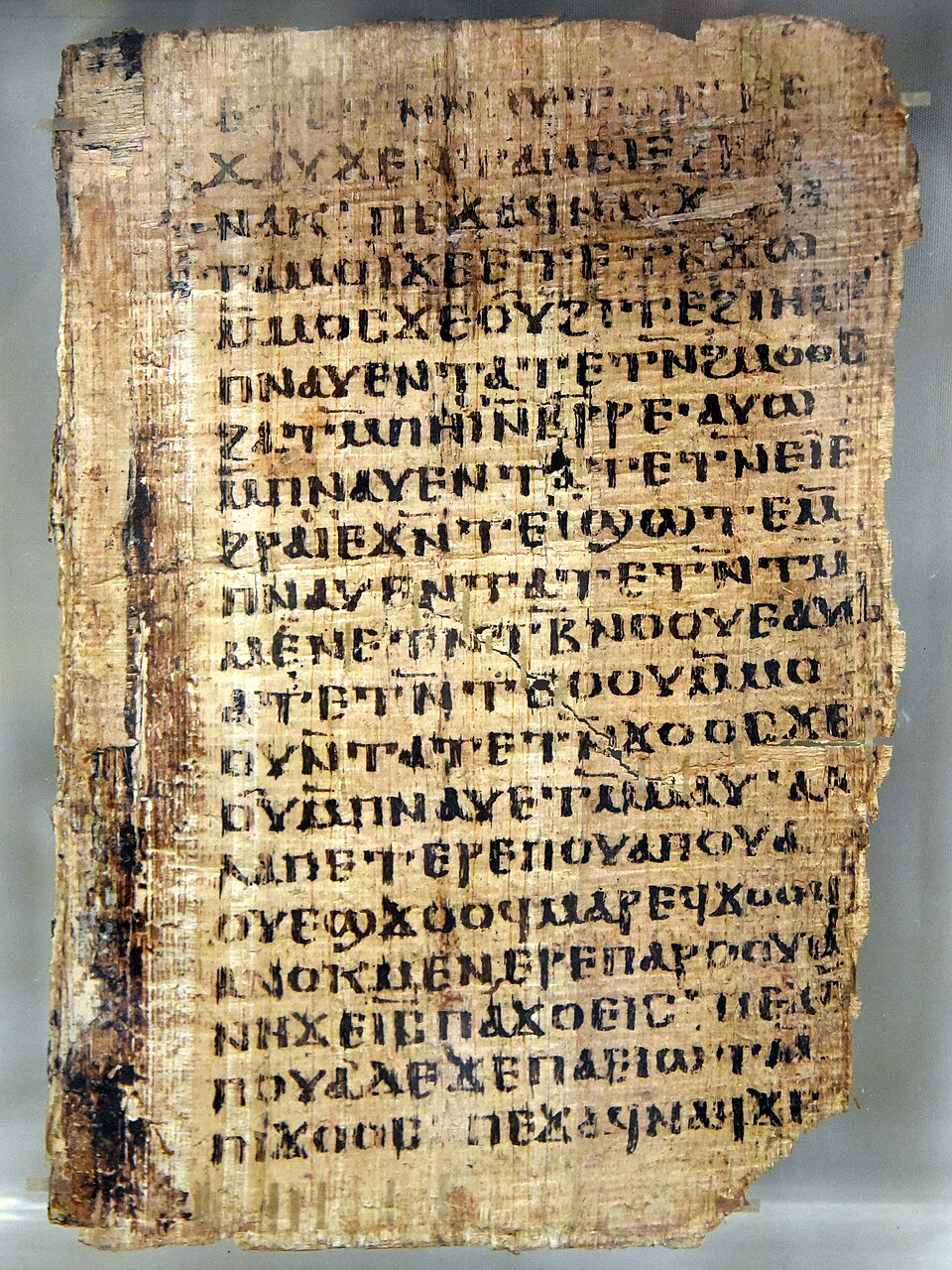
If a damaged line interrupts a phrase, preserve a gap in the diagram. Do not draw a complete syntactic tree as though the restored word were visible. A treebank may encode the editor’s reconstruction; keep its edition and annotation policy attached to the analysis.
Practice
Choose an edited sentence with a noun, modifier and relative or participial clause. Make two sketches: a bracketed phrase structure and a head-dependent list. Explain where each modifier attaches and which surviving forms support the choice. If the construction has alternative scholarly analyses, record one of them beside your own.
Modern-language examples on this page clarify a linguistic pattern. They do not establish unattested sounds or forms for an ancient language. Follow the cited sources below and keep editorial readings separate from the surviving trace.