Date the evidence
Separate the date of an event, the composition of a text, the surviving object, and its modern edition. An inscription cut for a dated ruler can establish a writing practice close to that event; a manuscript copied centuries later may preserve much older wording. An edited corpus may combine several witnesses into a reconstructed text. Put all dates in a source record before plotting a language timeline.
Different genres preserve different voices. Royal monuments, temple books and school tablets survive unevenly; private speech leaves little direct evidence. A cluster of late inscriptions may reflect an archaeological discovery, not a revival. Likewise, a gap in surviving texts is not proof that nobody spoke or wrote the language. Mark the beginning and end of an attested series, not the beginning and end of the language itself.
Compare distributions
A convincing shift argument compares several dated distributions: the languages of public inscriptions, legal transactions, private letters, school exercises and ritual copies in comparable places. It notes who produced the texts and the sample size. If only official writing changes, report an official-writing change. If children’s acquisition is claimed, explain what independent evidence permits that much stronger inference. For ancient records the answer may remain uncertain.
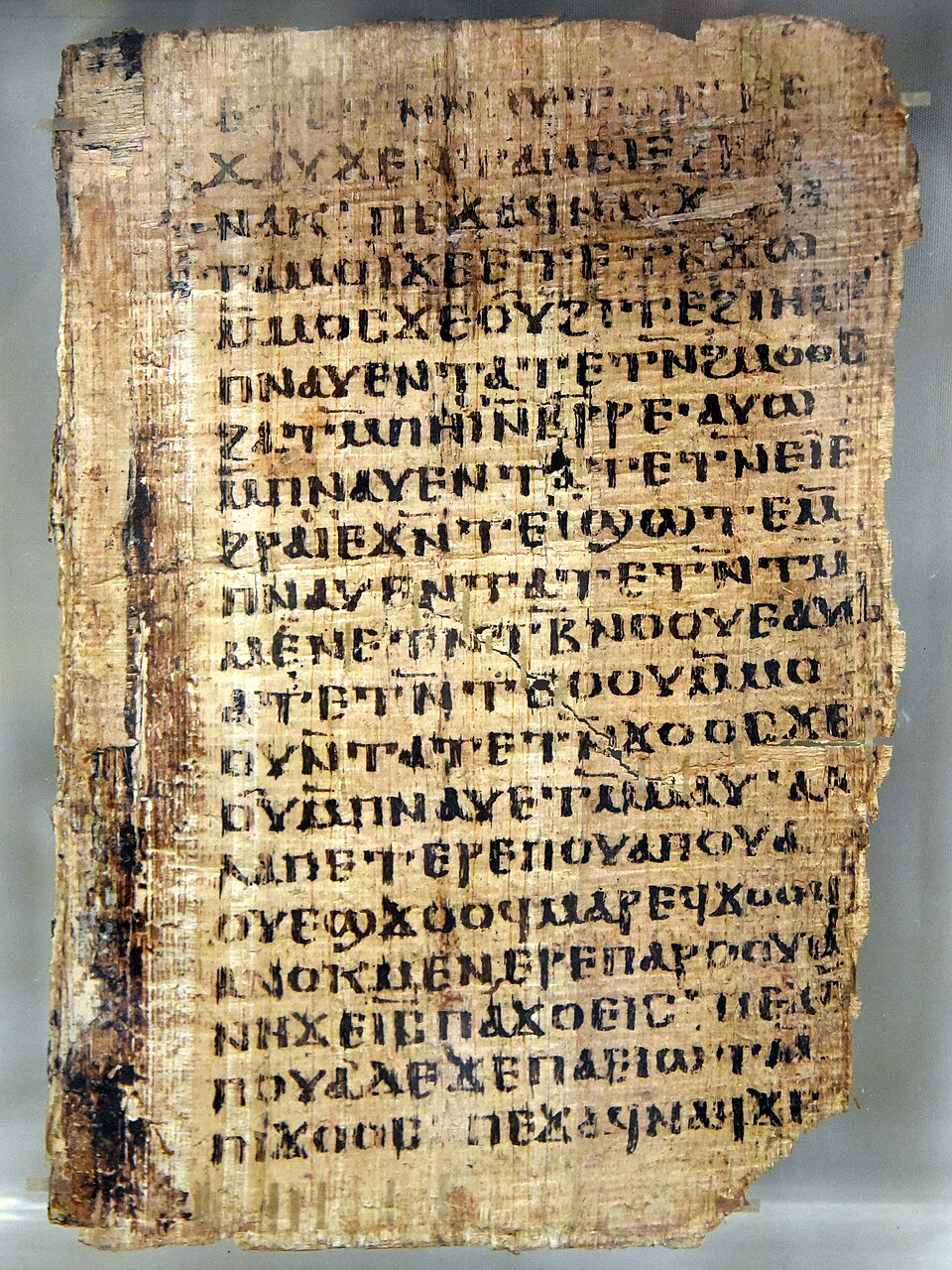
The Coptic case is instructive: Unicode documents the sequence of writing traditions, including continued hieroglyphic use into the fourth century CE and later Coptic writing. It does not follow that a single date records all households’ language choice. DCCLT’s Sumerian lexical corpus likewise documents learned transmission beyond ordinary spoken use. These are positive observations in different domains, not two comparable “last-speaker” dates.
Alternative explanations
Before calling a frequency difference a social shift, test changes in archive composition, spelling, translation policy, legal formula, regional sampling and preservation. A school reform might alter which texts are copied without altering a family’s speech. A city’s archive might move, leaving a new corpus from another social group. Different explanations predict different kinds of corroboration; state what evidence would distinguish them.
Practice: make a timeline with one row per genre and a separate row for source survival. Enter only securely dated witnesses. Add a second color for editorial restorations and late copies. Write a conclusion limited to the rows with observations, then a paragraph listing the unanswered questions.
Modern-language examples on this page clarify a linguistic pattern. They do not establish unattested sounds or forms for an ancient language. Follow the cited sources below and keep editorial readings separate from the surviving trace.