A research question
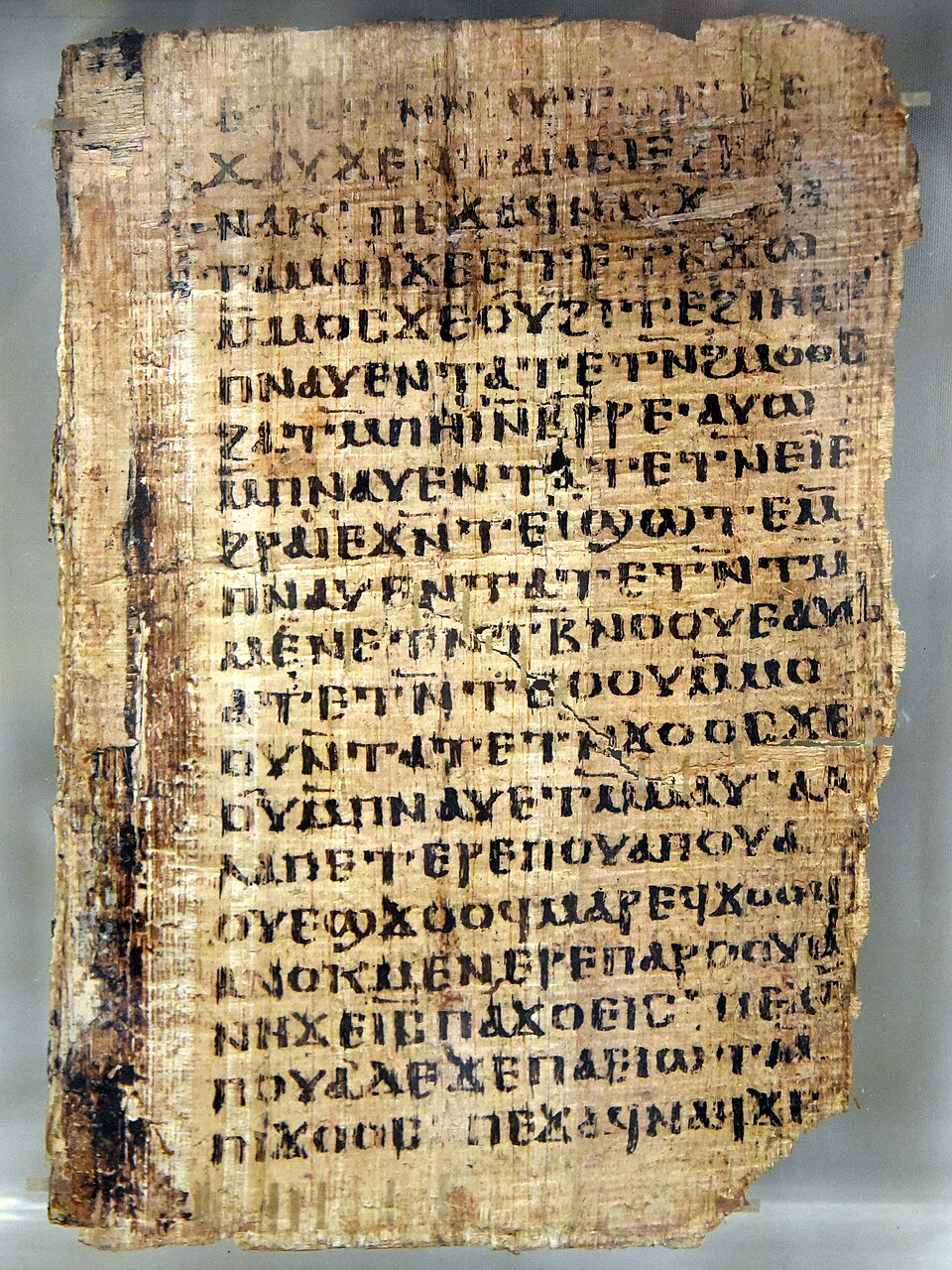
Begin with a bounded place, period, social group and domain: “Which languages were used in the surviving court records of this city between these reigns?” is answerable from documents; “When did everyone stop speaking the old language?” probably is not. Record the corpus’s inclusion rules, dates, editions and gaps. Define whether a text is an original, a copy, a translation or a school exercise. Keep the object and normalized transcription available together.
Create a source table with object identifier, provenance, object date, composition date if different, language, script, genre, commissioner or writer where known, and the particular sentence supporting your claim. Add a column for editorial uncertainty. A result based on three restored fragments should be presented differently from one based on many complete dated documents.
A model argument
A careful argument can say: “In this archive, documents of genre X are written in language A before date range Y and language B afterwards; two contemporary private letters still use A.” That is a demonstrable distribution. It cannot be shortened to “B replaced A for the population at Y.” The latter introduces an unsupported social scope. State separately any evidence for schooling, religion, household language or speaker testimony.
Counterexamples improve the analysis. Search for an A-language document after the proposed transition, or a B-language example before it. Ask whether each is a late copy, a special genre, a visitor’s text, or genuine overlap. If the chronology remains mixed, a staged, multilingual account is more accurate than forcing one decisive year.
Questions for revision
Before publication, ask: Does “language” here mean spoken variety, written standard or script? Are my dates attached to objects or to inferred practices? Have I equated the latest surviving text with a last speaker? Have I separated community testimony from modern analogy? Have I named whose language use the documents record? Are all quotations and dataset reuses within their licences? Can a reader reach each edition or object record from the claim?
Final exercise: write a 600-word history of one bounded archive using at least two object types and one independent scholarly account. Include an evidence table, two alternative interpretations and a paragraph on unknowns. A good result may end before the social history ends; the aim is a traceable claim, not a neat extinction date.
Modern-language examples on this page clarify a linguistic pattern. They do not establish unattested sounds or forms for an ancient language. Follow the cited sources below and keep editorial readings separate from the surviving trace.