The register problem
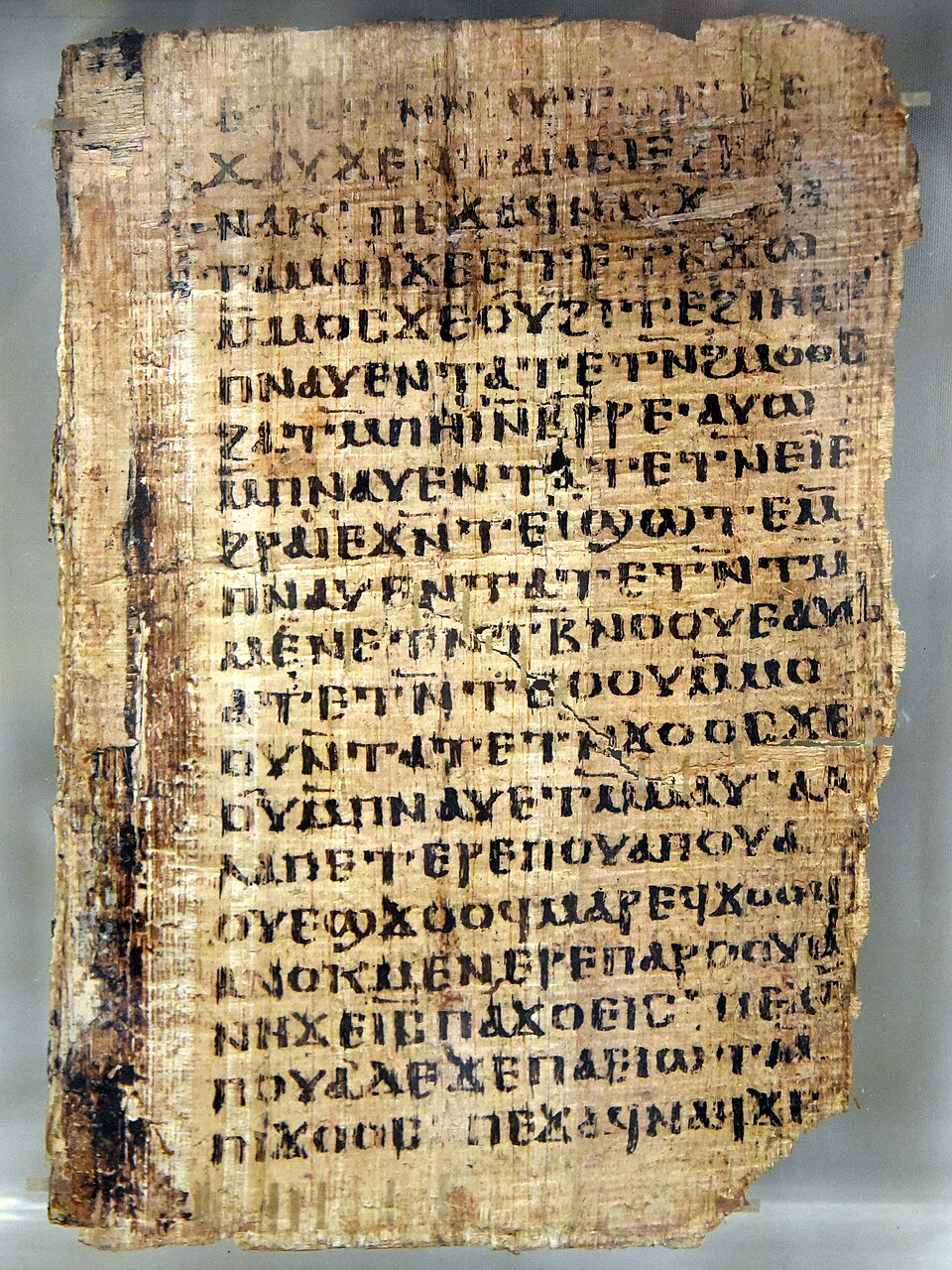
A prestigious written norm can be learned across regions and persist while everyday speech changes. A manuscript may therefore be conservative in spelling, grammar and vocabulary, or a scribe may combine older formulas with local usage. Calling the written norm “the language” hides these differences. Identify the text’s genre, training tradition and intended readers, then ask how close the writing may be to contemporary speech. The answer can vary by sentence within one work.
The Library of Congress describes the Story of Three Kingdoms as partly vernacular and partly classical Chinese. That mix is evidence about a literary work’s choices, not a measurement of what all people in its setting spoke. The case reminds us to inspect each passage rather than applying one label to an entire codex.
Vernacular writing
When a previously underrepresented vernacular appears in a new written genre, the first surviving book is not the first spoken sentence. The Library of Congress study of Vietnam describes Chinese’s scholarly and official roles alongside Vietnamese, and the development of chữ Nôm for Vietnamese literature. Similarly, written Romance emerges after regional spoken forms had been changing from Latin. The new corpus expands what historians can observe; it does not set the start date of the speech community.
The opposite caution also matters. A late copy of an old composition may use older grammar because the genre demands it, or it may contain newer forms introduced by a copyist. Dating the surviving manuscript and dating the language of composition are separate tasks. Where there are multiple witnesses, compare them rather than treating a normalized printed edition as one historical voice.
Analytical vocabulary
Use “vernacular” for a community’s ordinary language in a specified place and period; use “literary register” for a conventional writing style; use “standard” only when there is evidence of norm-setting or shared practice. “Diglossia” can describe a patterned distribution of socially distinct varieties, but the term does not itself explain how the arrangement arose or how stable it was. Define which varieties, domains and social groups a claim concerns.
Practice: compare a formal legal formula and a private letter from one period. Mark forms that could reflect register, copying convention, regional speech or uncertainty. Do not identify a misspelling as “the real spoken form” until repeated independent examples support it.
Modern-language examples on this page clarify a linguistic pattern. They do not establish unattested sounds or forms for an ancient language. Follow the cited sources below and keep editorial readings separate from the surviving trace.