Cumulative exponence
Exponence asks how many grammatical categories a formative expresses. In a separative pattern, distinct formants can be identified for distinct values. In a cumulative pattern, one formative contributes a bundle. WALS contrasts Turkish plural -ler with case endings that follow it, such as genitive plural -ler-in, with Russian endings where case and number cannot be separated into stable pieces. This is a comparison of particular formations, not a ranking of languages.
Do not mechanically draw a morpheme boundary for every gloss abbreviation. A single ending can receive a combined gloss such as GEN.PL. Conversely, a grammatical meaning expressed by a separate particle should not be hidden inside the stem.
Syncretism
Syncretism is identity of form across paradigm cells that are differentiated elsewhere in the system. Central Yup’ik “land” has singular absolutive nuna and relative nunam, while the dual nunak and plural nunat serve both cases in the cited paradigm. The cells remain distinguishable by their grammatical contexts although their surface forms coincide. A table should show the same spelling in both cells, not invent a distinction to preserve symmetry.
Before calling two cells syncretic, check that the analysis truly recognizes separate categories on independent evidence. Orthographic identity might also hide a phonetic difference; one isolated word might not justify the entire case inventory.
Suppletion and defectiveness
Suppletion uses a different stem in part of a paradigm; English go/went is a simple modern comparison. A defective paradigm has a cell missing from normal use or lacking a conventional form; this differs from a corpus gap where no example has survived. Historical grammars sometimes generate expected forms by analogy. Label those forms as reconstructed or predicted and cite the reasoning rather than presenting them as attested.
When several manuscripts or dialects preserve different forms, do not silently combine them into one paradigm. State period, dialect, source and editorial normalization for each row.
Practice
Use the Turkish and Russian discussion in WALS chapter 21. For each, identify what can be segmented and what categories a formative expresses. Then inspect the Central Yup’ik table: identify a pair of syncretic cells and a pair with distinct forms.
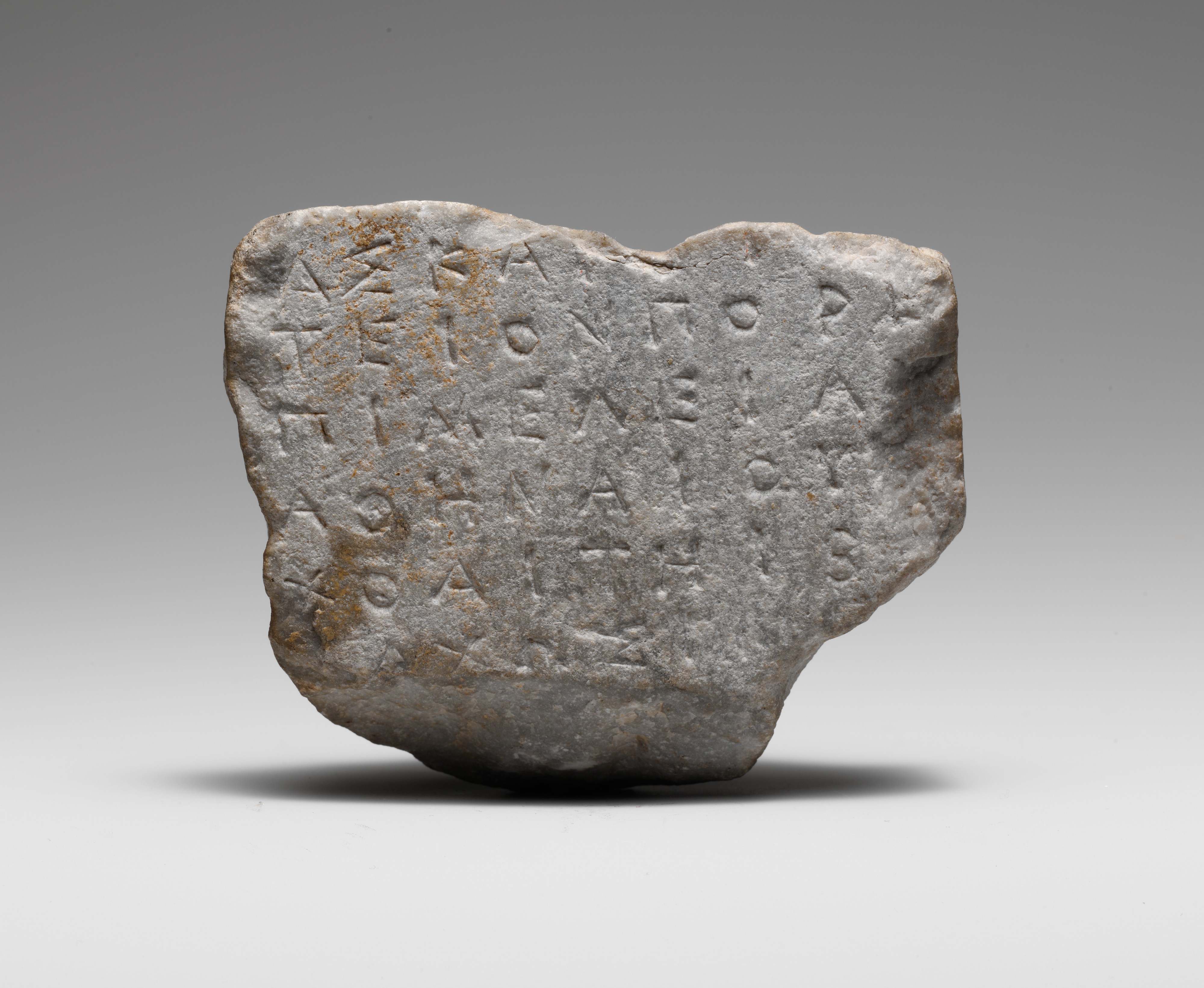
Modern-language examples on this page clarify a linguistic pattern. They do not establish unattested sounds or forms for an ancient language. Follow the cited sources below and keep editorial readings separate from the surviving trace.