What morphology studies
Morphology studies systematic relationships among word forms and the structures that help explain them. A word on a page is a token: one occurrence in one witness or edition. A lexeme is the vocabulary item conventionally represented by a dictionary headword. A word form is one grammatical realization of a lexeme. A morpheme is a recurrent pairing of form with lexical meaning or grammatical function. These distinctions matter because a text might contain several tokens of the same form, and several forms of the same lexeme.
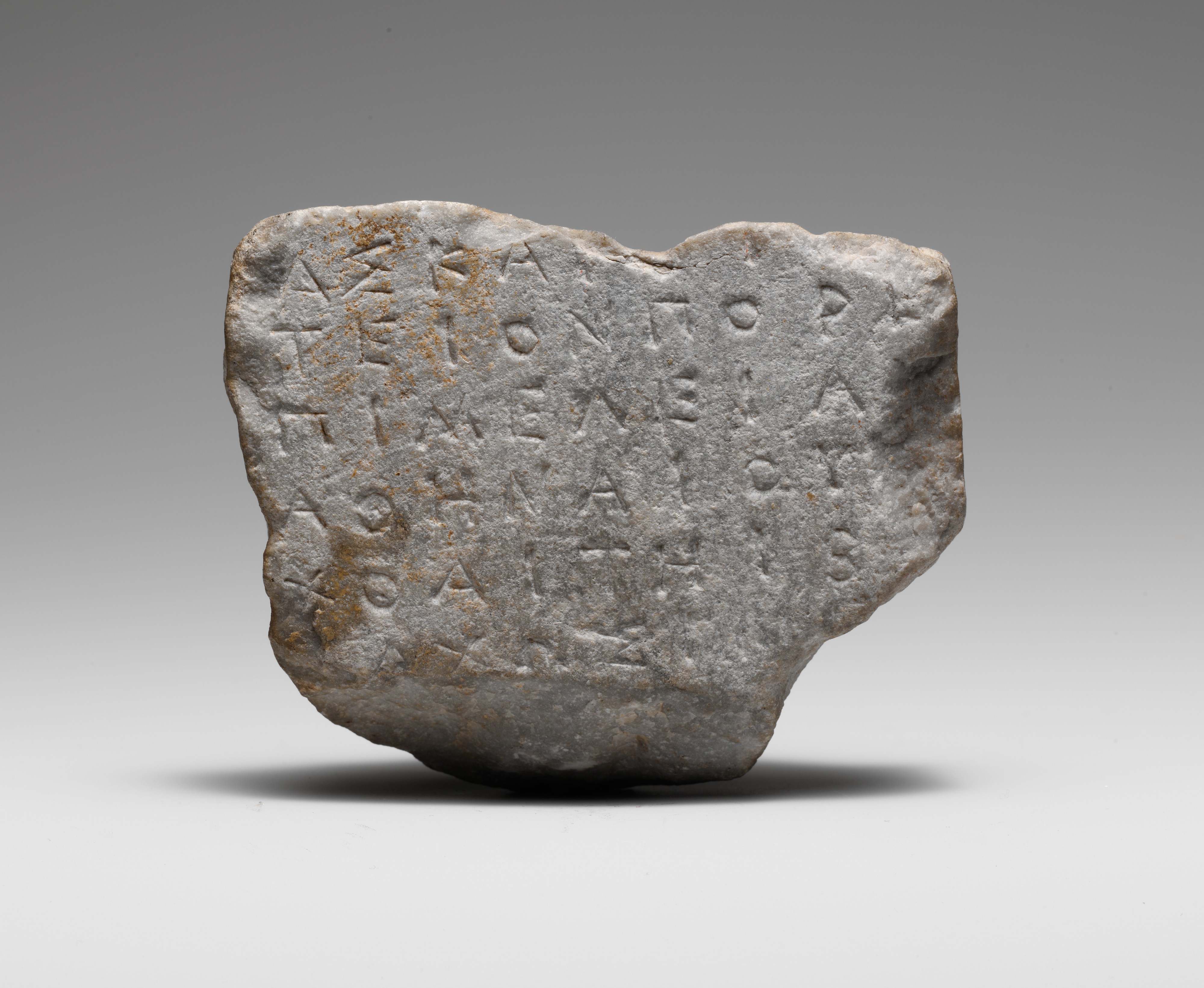
The written boundary is not automatically the morphological boundary. Scribes may separate words differently from modern editors; a bound clitic may be written with its host or apart from it. First record what is visible. Then state a segmentation as an analysis. If the source is a normalized edition, identify how it differs from the witness.
Root, stem and base
A root is the smallest lexical base in an analysis. A stem is the form to which an inflectional process applies; it may already contain derivational material. A base is any form to which an operation applies, whether simple or complex. In English teachers, teach is a root, teacher is a derived base for plural -s, and teacher-s is an inflected form of the lexeme TEACHER. The example teaches the terminology, but an ancient form needs its own corpus-based segmentation.
A free morpheme can stand as a word in the language being analyzed. A bound morpheme requires another element. A root may be bound, and a phrase may contain function words that express grammatical meanings without being affixes. Historical etymology is a separate question: a word may be etymologically composite but no longer transparently decomposable for speakers of a later period.
Finding a boundary
Compare at least two sets of forms. Hold a meaning or grammatical function constant while another feature changes. If several tokens share a sequence and meaning, a morpheme boundary becomes plausible; if the proposed piece occurs in only one token, the analysis remains provisional. Look for sound changes at the boundary, different stem classes, and counterexamples. Do not identify a suffix by resemblance to a suffix in another language.
The Inuktut examples in Essentials of Linguistics provide an unusually clear exercise: matu “door”, matuuk “two doors” and matuit “three or more doors” occur beside nuvuja “cloud”, nuvujaak “two clouds” and nuvujait “three or more clouds”. The paired stems support a dual and plural contrast, while the differing vowel sequences warn against slicing off a simple invariant ending after inspecting one form. These are modern comparative data, not evidence about an ancient language.
Practice
Choose six forms from one documented paradigm. Copy the source and its transcription conventions. Group them by shared lexical meaning, then by grammatical contrast. Write a tentative segmentation and one alternative; note which additional form would decide between them. Mark every unattested cell as unattested rather than generating it.
| Meaning | Singular | Dual | Plural |
|---|---|---|---|
| door | matu | matuuk | matuit |
| cloud | nuvuja | nuvujaak | nuvujait |
Modern-language examples on this page clarify a linguistic pattern. They do not establish unattested sounds or forms for an ancient language. Follow the cited sources below and keep editorial readings separate from the surviving trace.